For a ride where you plan to eat carbohydrate on the bike, jelly sweets are a closer match than 70% dark chocolate: Tesco Groceries lists 76.4–77g carbohydrate per 100g for the two jelly products reviewed, against 34–37g for the two chocolate bars. Dark chocolate makes more sense when you want its flavour, particularly at a relaxed stop, rather than a like-for-like substitute for jelly sweets. British Cycling’s guidance for rides over 90 minutes makes portion planning relevant; whichever you pack, check the current label, carry a drink and eat only when you can do so without compromising bike control.
Who is choosing between them?
The useful distinction is whether you are planning carbohydrate intake during a longer ride or choosing a snack chiefly for its flavour.
Riders planning longer sessions
If you expect to eat during a ride lasting over 90 minutes, compare carbohydrate per portion and decide how you will carry and eat it. British Cycling gives a carbohydrate-per-hour guide for rides of that duration, so the amount in the portion matters more than the bag size alone.
Cyclists comparing sweets with chocolate
If you want to carry carbohydrate without carrying as much fat, the checked jelly sweets and 70% chocolate bars differ substantially on their Tesco Groceries labels. Compare the figures per 100g, then look at the portion you would actually pack.
Riders who prefer high-cocoa chocolate
A 70% bar may suit a relaxed stop when flavour is the priority. The checked bars contain less carbohydrate per 100g than the checked jelly sweets, so use their own nutrition labels rather than treating them as an equivalent amount of ride fuel.
What should you check before packing them?
Jelly sweets
Choose when: You are planning portions of carbohydrate to eat during a longer ride.
Bear in mind: They are confectionery, not a replacement for drinks; ingredients and allergens depend on the pack.
70% dark chocolate
Choose when: You want high-cocoa chocolate for its flavour, such as at a relaxed stop.
Bear in mind: The checked bars provide less carbohydrate and more fat per 100g than the checked jelly sweets, according to Tesco Groceries’ labels.
| Priority |
What to check |
Your needs |
| Ride and portion |
Consider duration and intensity before packing food. British Cycling suggests 30–60g carbohydrate per hour for rides over 90 minutes; read carbohydrate per portion and plan what you will carry. |
For a longer ride, I want portions I can count and spread through the session. For a short session, I would decide whether I need food during the ride at all. |
| Food type |
Tesco Groceries lists 76.4–77g carbohydrate and 0.1g to less than 0.5g fat per 100g for the checked jelly sweets. Its checked 70% bars list 34–37g carbohydrate and 41–41.9g fat per 100g. |
If carbohydrate is my reason for packing a snack, I want to compare the amount in the portion. If I mainly want dark-chocolate flavour, I would make that a separate choice. |
| Eating and drinking |
Check whether portions and wrappers will be manageable without affecting bike control. Plan drinks separately; the NHS advises extra fluids after sweating and identifies water as a way to replace lost fluids. |
I need to reach and eat my food safely, or wait until I stop. I would carry a drink rather than expect sweets to cover hydration. |
| Ingredients |
Read the current ingredients, allergen statement and sugars on the exact pack. The checked Starmix and Randoms products contain gelatine; the checked chocolate bars have product-specific allergen warnings. |
I want to know whether a pack fits my ingredient requirements before it goes into a jersey pocket. I would check it again when buying, even if I have bought the product before. |
Common mistakes when planning ride snacks
-
Treating dark chocolate as a darker jelly sweet
They are different foods. Tesco Groceries’ labels for the checked products show substantially less carbohydrate per 100g in the 70% chocolate bars than in the jelly sweets.
Compare carbohydrate in the portion you intend to eat. Pick dark chocolate for its flavour rather than assuming it replaces the same portion of jelly sweets.
-
Packing sweets automatically for a short session
A short ride does not call for the same food plan as a long one. British Cycling says most indoor sessions under an hour do not need additional fuel during the session.
Consider ride duration, intensity and what you ate beforehand before deciding whether to carry an on-bike snack.
-
Letting food replace the drink plan
Eating sweets does not replace drinking. The NHS advises extra fluids after sweating from physical activity.
Carry a drink as well as any planned food, and consider when you will be able to drink during the ride.
-
Overlooking ingredients on the exact pack
The checked jelly products contain gelatine, while the checked chocolate bars carry differing allergen warnings. A familiar brand name is not a substitute for checking the particular product.
Read the current pack’s ingredients and allergen statement before buying, especially if gelatine or a listed allergen affects your choice.
Relevant product lines and brands
These examples illustrate the food types in the comparison; their label details apply to the named products, not every sweet or chocolate made by each brand.
Haribo
Starmix is a mixed jelly and foam sweet to compare when planning portions of carbohydrate for a ride.
- Tesco Groceries lists 77g carbohydrate and less than 0.5g fat per 100g for its Starmix 175g product.
- The checked Starmix contains gelatine; read the current pack if you avoid it.
Rowntree’s
Randoms offers assorted jelly sweets for riders who want to plan intake by counting pieces.
- Tesco Groceries lists 76.4g carbohydrate and 0.1g fat per 100g for its Randoms 150g product.
- The checked Randoms contains gelatine. Check the exact pack rather than assuming all Rowntree’s products have the same ingredients.
Tesco Finest
The 70% Cocoa Peruvian Dark Chocolate bar is a high-cocoa option for someone choosing chocolate flavour instead of jelly sweets.
- Tesco Groceries lists 37g carbohydrate and 41.9g fat per 100g for this bar.
- Its carbohydrate and fat figures differ substantially from the checked jelly sweets; read its ingredient and allergen statements before choosing it.
Lindt
Excellence 70% is another named high-cocoa chocolate bar for a flavour-led choice.
- Tesco Groceries lists 34g carbohydrate and 41g fat per 100g for the checked Excellence 70% bar.
- The checked label warns that the bar may contain nuts, milk, soya and sesame seeds.
Jelly sweets to consider on Joybuy
These are jelly-sweet options for planning portions on a longer ride. Compare the current pack’s carbohydrate information and ingredients before deciding how much to carry.
 No image available
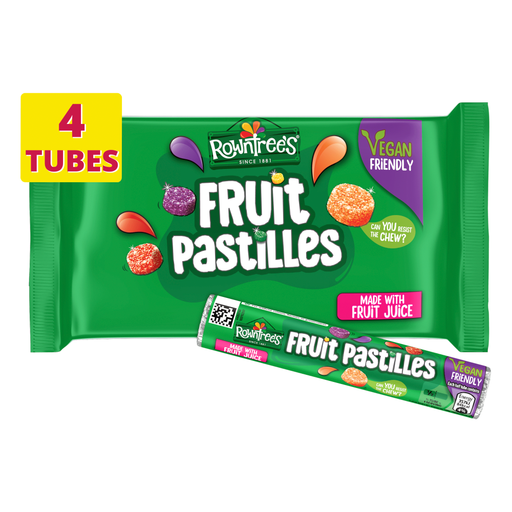
Rowntree’s Fruit Pastilles 4 x 41g
Four separate 41g pouches give you packs to allocate to different points in a ride. Check the current pouch label for the carbohydrate in the portion you plan to eat and for any relevant allergens.
View on Joybuy
 No image available
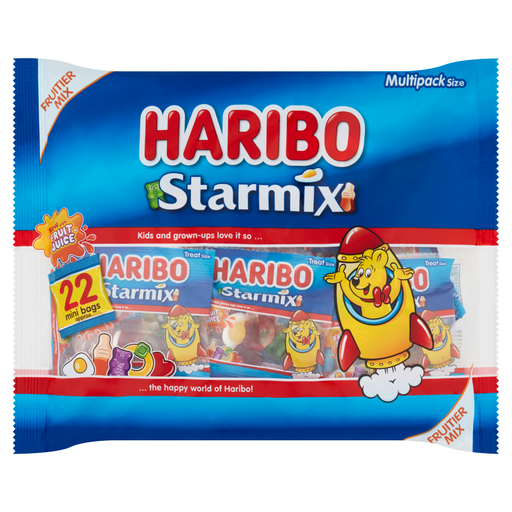
Haribo Starmix 22 Mini Bags, 352g
The 22-mini-bag format lets you set aside separate packs for planned stops or feeds. Check the carbohydrate per mini bag on the current pack before using one as a measured portion; the listed ingredients include gelatine.
View on Joybuy
 No image available
Haribo Starmix 175g
This single bag can be split into planned portions rather than eaten as one serving. Tesco Groceries lists 77g carbohydrate and less than 0.5g fat per 100g for its checked Starmix 175g label; use the current bag’s figures and ingredients when planning your own portions.
View on Joybuy
 No image available
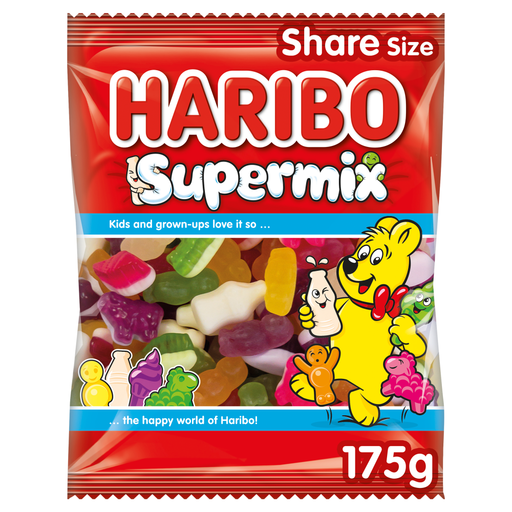
Haribo Supermix 175g
The 175g bag offers mixed sweets to portion for a ride. Use the current pack’s carbohydrate figures to work out the amount in each portion, and check its ingredients if you avoid gelatine.
View on Joybuy
 No image available
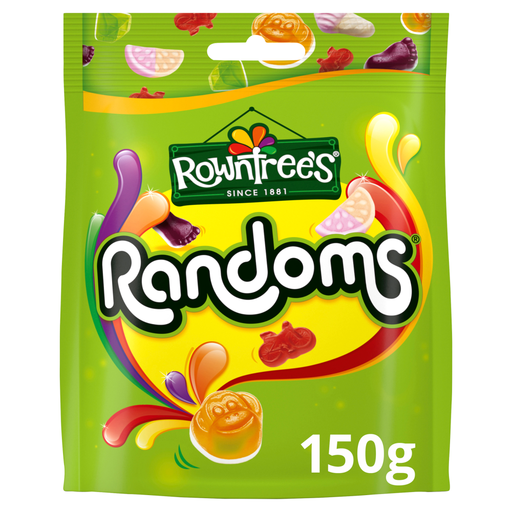
Rowntree’s Randoms 150g
This 150g bag is an option if you prefer to divide assorted sweets into your own ride portions. Check the current pack for the exact carbohydrate figures and ingredients before relying on a serving calculation or a vegetarian suitability claim.
View on Joybuy
Questions about sweets on a bike ride
Do I need jelly sweets for every bike ride?
No. British Cycling says most indoor sessions under an hour do not need additional fuel during the session. For rides over 90 minutes, it suggests 30–60g carbohydrate per hour; consider the ride’s intensity and what you ate beforehand when planning food.
How do I work out a portion of jelly sweets for a ride?
Start with the current pack’s carbohydrate figure for a serving, or calculate it from the per-100g figure and the weight you will eat. Tesco Groceries lists 77g carbohydrate per 100g for its checked Haribo Starmix 175g bag, while its checked Rowntree’s Randoms label gives 19.1g carbohydrate for six sweets. Use the figures for the product in your hand when planning portions.
Can 70% dark chocolate replace jelly sweets on a hard ride?
It is not a like-for-like choice if you are planning carbohydrate intake. Tesco Groceries lists 34–37g carbohydrate and 41–41.9g fat per 100g for the two checked 70% bars, compared with 76.4–77g carbohydrate and very little fat for the two checked jelly sweets. Choose chocolate for its flavour, and count its own carbohydrate content if you take it along.
How should I handle sweets during a road ride?
Eat only when you can do so without compromising control or attention; stop first if opening a pack or handling food would distract you. British Cycling suggests preparing wrappers so they are easier to open, but that does not remove the need to judge when it is safe to eat.
Which ingredients should I check before buying?
Read the current pack’s ingredients and allergen statement for the exact product. The checked Starmix and Randoms jelly sweets contain gelatine, and the checked dark chocolate bars have product-specific allergen warnings. Check the label again if you are switching between products or pack formats.


