Runners who dislike gels
A chewable format may be easier to fit into your training routine. Compare the stated carbohydrate serving, then practise the portion and timing on a run before relying on it for an event.


For a long training run, a sports chew or gel gives you a stated carbohydrate serving in a format intended for exercise. Ordinary jelly sweets are another option if you calculate a portion from the current label and practise eating it while running; choose boxed chocolates as a gift rather than assuming they fit a rehearsed fuelling plan. The useful choice depends on whether you are buying run fuel or a gift, and on portioning, texture and dietary requirements.
A chewable format may be easier to fit into your training routine. Compare the stated carbohydrate serving, then practise the portion and timing on a run before relying on it for an event.
Familiar sweets can be portioned for a trial, but a bag is not a running serving. Use the current pack’s carbohydrate information to work out what you would carry.
A box of chocolates can be a celebratory gift. If the runner also needs fuel for training, treat that as a separate purchase guided by their practised plan.
Decide whether the purchase is for use during a run or for gifting, then compare servings and carrying formats within the relevant options.
| Priority | What to check | Your needs |
|---|---|---|
| Carbohydrate serving | Read carbohydrate per stated serving, not just pack weight. For ordinary sweets, check whether the label gives a portion or a per 100 g figure you can use to measure one. | I want to know what I am carrying and practise portions that fit my run plan. Tesco lists 17.7 g carbohydrate per six Rowntree’s Fruit Pastilles in its checked 4 × 41 g listing; that figure belongs to that product and serving. |
| Eating at running pace | Consider whether you prefer chewing or a gel, and whether the packaging lets you take the portion you planned. Test the texture and frequency during training. | If chewing becomes awkward while I run, I would rather trial a gel. If I prefer small chewable portions, a sports chew gives me another format to practise. |
| Product purpose | Check whether the product is presented for exercise or is everyday confectionery. Compare its stated serving without assuming the two formats come with the same usage guidance. | Ordinary sweets appeal to me, but I can measure and rehearse a portion rather than treating a sharing bag as a ready-made fuelling schedule. The Australian Institute of Sport describes sports chews as concentrated carbohydrate in small, chewable servings. |
| Ingredients and labels | Read the exact pack’s ingredients, highlighted allergens and dietary claims. Recheck the label when buying a different size or variant. | I need to know whether the sweets suit my dietary requirements, or those of the person receiving them. HARIBO UK lists gelatine in Starmix, while Tesco identifies its checked Rowntree’s Fruit Pastilles 4 × 41 g pack as vegan. |
| Gift or run fuel | For a gift, consider the recipient’s preferences and the pack label. For during-run fuel, look for a stated carbohydrate portion that the runner can practise using. | I can give chocolates to mark the occasion without assuming they replace the chews, gels or measured sweets the runner uses in training. |
Bag weight does not tell you how much carbohydrate you will eat at each planned interval. Tesco’s checked Rowntree’s Fruit Pastilles listing states 17.7 g per six sweets; HIGH5 states 21 g per six of its Energy Gummies.
Work out a trial portion from the current label and practise it on a training run.
The Australian Institute of Sport says that glucose-based carbohydrate consumed above about 60 g per hour during exercise typically brings no additional performance benefit. It also describes products containing both glucose and fructose; a packet’s suggested use is not an individual running plan.
If your planned intake is above that level, check the carbohydrate sources in the exact products and practise your approach during training.
A chocolate assortment is a different purchase from a product with a stated, rehearsed portion for use during a run.
Choose the gift for the occasion, and make the training-fuel decision separately with the runner’s preferences and plan in mind.
Dietary suitability depends on the product and variant. HARIBO UK lists gelatine in Starmix, whereas Tesco identifies its checked Rowntree’s Fruit Pastilles pack as vegan.
Read the ingredients and highlighted allergens on the exact pack you receive, including when buying a gift.
These products illustrate differences in format and labelling; a brand name alone does not establish the serving or suitability of every product it makes.
Offers endurance chews and gels for runners comparing chewable and non-chewable formats.
Offers Energy Gummies as a chewable product intended by the brand for use before and during exercise.
An everyday-confectionery reference for runners considering measured sweets rather than a sports-specific product.
Its Fruit Pastilles offer an everyday-sweet example with a stated portion in a checked retailer listing.
These options cover gels for runners who prefer not to chew and ordinary fruit or gummy sweets to portion and trial during training.
 No image available
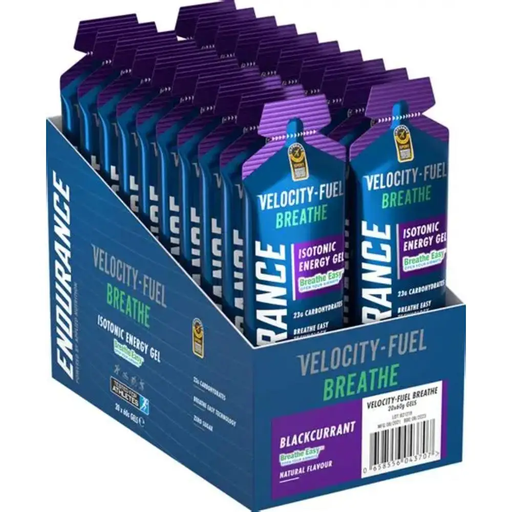
Consider this gel format if you would rather not chew during a run. The product name states 40 g carbohydrate and a pack of 20 gels; practise the serving and check the supplied pack’s instructions and ingredients.
 No image available
This is another gel option to trial if chewing at running pace does not suit you. The product name identifies 20 sachets of 60 g each; sachet weight is not a carbohydrate figure, so read the nutrition label when planning portions.
 No image available
These ordinary sweets are an option if you already tolerate fruit pastilles while running and want to measure a trial portion. The name identifies six 143 g packs and describes them as vegan; check the supplied pack for its current ingredients and carbohydrate per serving.
 No image available
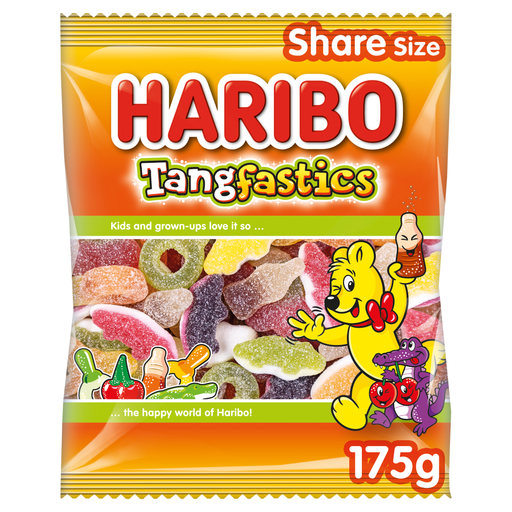
This sharing bag is an ordinary-sweet option for someone prepared to measure and practise a portion. Its 175 g pack weight is not a running serving; use this variant’s current nutrition and ingredient label rather than figures for Haribo Starmix.
 No image available
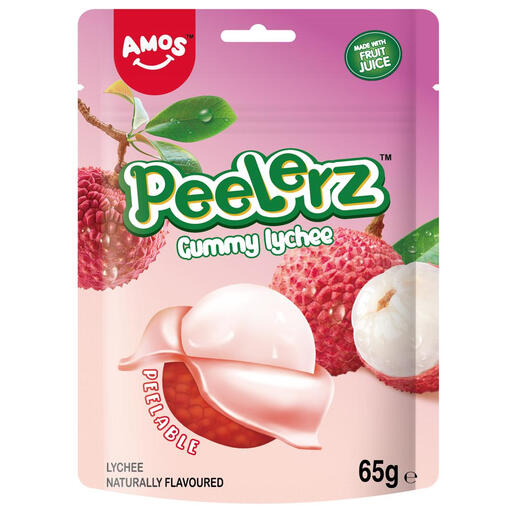
Consider these gummy sweets only as a measured trial if their texture suits you during training. The named pack is 65 g; check its current carbohydrate and ingredient information before deciding what portion to carry.
You can trial a measured portion if you can calculate its carbohydrate from the current label and are comfortable eating it while running. Ordinary sweets have product-specific recipes and servings; the Australian Institute of Sport describes sports chews separately as concentrated carbohydrate designed for small, frequent servings during exercise.
Start with the duration of the run and a plan you can practise, then use each product’s stated carbohydrate serving to work out portions. The Australian Institute of Sport says glucose-based carbohydrate above about 60 g per hour during exercise typically brings no additional performance benefit; its guidance also discusses products combining glucose and fructose. Do not treat a packet’s suggested frequency as a target for every runner.
Choose a chew to trial if you prefer eating small portions, or a gel if chewing at pace is difficult for you. Compare the stated carbohydrate per serving and practise the format during training; neither choice suits everyone.
Treat a box of chocolates as a gift, not as a substitute for the runner’s rehearsed during-run portions. If you are buying training fuel as well, choose a product whose carbohydrate serving the runner can check and practise.
Check the exact product rather than the brand as a whole. HARIBO UK lists gelatine in Starmix, while Tesco identifies its checked Rowntree’s Fruit Pastilles 4 × 41 g pack as vegan. Read the ingredients on the pack you receive, especially when choosing a different variant or size.