
24/7 Customer Support

Free returns

Same-day & Next-day Delivery

Quality Guaranteed

Unlock Your Welcome Offers: FREE Delivery | Up to 80% OFF | Free 30-day JoyPlus trial
Download the APP
Choosing Johnson's baby care products can seem straightforward until you compare bottle sizes, ingredient lists and usage warnings. Marketing language such as “natural”, “mild” and “hypoallergenic” may sound reassuring, but these terms do not remove the need to check how a product should be used or whether it suits your household.
This guide focuses on practical selection points for parents, carers and families buying Johnson's baby shampoo, Johnson's baby oil, Johnson's baby powder, Johnson's baby bath, Johnson's baby soap, cotton pads and cotton buds. It also covers complementary food options for rabbits and small animals, as many UK households shop for both baby and pet essentials.
A product may be labelled mild or hypoallergenic while still containing fragrance components. For example, the ingredient lists for some baby powders and oils include parfum and named fragrance compounds. Babies with known sensitivities may need a simpler, fragrance-free option chosen with advice from a healthcare professional.
Always read the full ingredient list, age guidance and warnings rather than relying only on the front of the pack.
A 500ml bottle may offer a lower cost per millilitre than a 200ml bottle, but it may be unsuitable if your family uses the product infrequently or prefers to change formulas. Larger packaging also needs secure storage and careful handling around children.
Compare price per 100ml, intended frequency of use and expiry or storage instructions before buying multipacks or larger sizes.
Baby powder should not be shaken directly towards a baby, because airborne particles can be inhaled. Cotton buds should only be used around the outer ear and must not be inserted into the ear canal or nose. Bath products also require continuous adult supervision; never leave a baby unattended in bath water.
These instructions are more important than claims about convenience or versatility.
For newborn skincare, check whether the formula contains fragrance, preservatives or specific ingredients your child has previously reacted to. Products described on their labels as paediatrician or dermatologist tested should still be used according to the packaging directions.
For example, Johnson's Baby Shampoo 300ml lists cleansing ingredients including cocamidopropyl betaine, decyl glucoside and glycerin, along with fragrance. The product is labelled as suitable from 0+ months, but parents should stop use if irritation occurs.
Choose the format that matches your routine:
A 200ml oil may be suitable for occasional massage or travel, while a 500ml bottle can suit families using oil regularly. Cotton products should remain sealed and dry. Baby bath and shampoo bottles should be closed after use and stored where children cannot reach them.
For small animals, the same principle applies: check whether food is complete or complementary. Rabbit food mix and rat and mouse food should not be treated as a sole diet unless the packaging specifically states that it is complete.

Why This Fits Their Persona: An all-in-one cleanser can help new parents keep the bathroom routine simple without buying separate hair and body washes.
It avoids paying for multiple cleanser formats when one 500ml product is intended for hair, scalp and body.
The listing states that it is pH balanced, suitable from 0+ months and free from dyes, parabens, sulphates and alcohol.
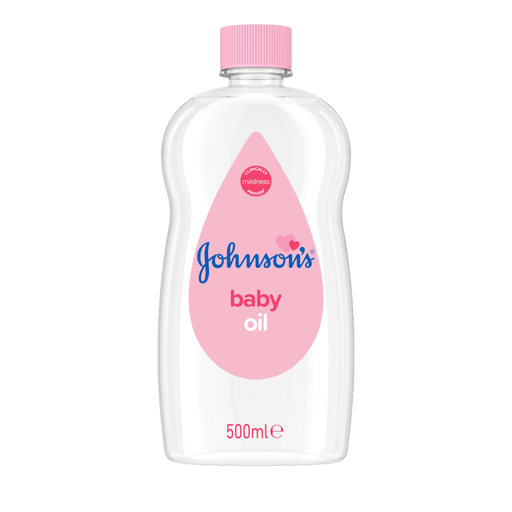
Why This Fits Their Persona: The larger format suits families who use oil after baths or for regular massage and want a bottle that lasts longer between purchases.
The label clearly directs users to apply a small amount to damp skin, helping avoid using excessive oil or expecting it to cleanse skin.
The ingredient list is short, featuring paraffinum liquidum, isopropyl palmitate and parfum; the 500ml size is practical for frequent use.
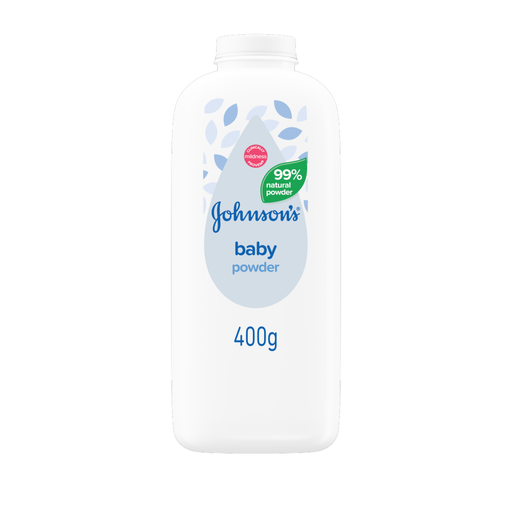
Why This Fits Their Persona: Useful for carers who specifically want a cornstarch-based powder for controlled application after bathing or during nappy changes.
Its directions specifically say to sprinkle powder into the hands first, away from the baby, reducing the risk of creating an inhalable dust cloud.
The product uses corn starch and is listed as free from dyes, parabens and phthalates. Keep it away from the nose, mouth, eyes and open flame.
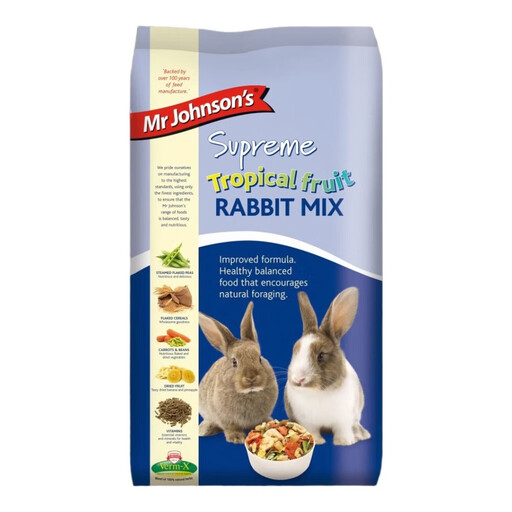
Why This Fits Their Persona: A practical add-on for UK families shopping for newborn skincare and rabbit supplies in the same order.
The listing clearly identifies it as a complementary feed, so it should not replace unlimited hay, leafy greens and fresh water.
The 900g mix contains peas, carrots, banana, pineapple, cereals and herbs, with listed crude fibre of 10%.
For hair-only washing, compare Johnson's Baby Shampoo 300ml and Johnson's Baby Shampoo 500ml by cost per 100ml and storage space. For solid cleansing, Johnson's Baby Honey Soap Duo 2x90g is a practical alternative to liquid Johnson's baby bath products.
During nappy changes, JOHNSON'S Baby 50 Cotton Pads offer 100% cotton pads for wiping, while Johnson's Baby Cotton Buds 200 Buds have paper sticks and should only be used externally. Pet owners may also compare rat and mouse food, fruit niblets or small animal treats, remembering that treats should be fed sparingly.
We have compiled a complete, real-time list of products that fully satisfy these strict selection criteria and UK safety regulations.
Several listed products are marked suitable from 0+ months, including baby shampoo, oil, bath and soap. However, every baby’s skin is different. Read the current packaging, avoid damaged skin and stop using a product if irritation develops.
Apply a small amount to your palms, warm it between your hands and massage it gently onto damp skin. Keep the bottle out of reach of children and use it externally only. It should not be swallowed or inhaled.
The Mr Johnson’s rabbit mixes listed here are described as complementary feeds, not complete diets. Provide unlimited good-quality hay, suitable leafy greens and fresh drinking water, following the product label and your vet’s feeding guidance.