
24/7 Customer Support

Free returns

Same-day & Next-day Delivery

Quality Guaranteed

Unlock Your Welcome Offers: FREE Delivery | Up to 80% OFF | Free 30-day JoyPlus trial
Download the APP
Joint discomfort can make stairs, exercise, commuting and everyday tasks more difficult. However, choosing between joint support supplements, topical gels and over-the-counter medicines is not simply a matter of selecting the product with the largest number on the label. The right option depends on the type of discomfort, how quickly you need support and any medicines or health conditions you may have.
A large milligram figure does not always indicate a stronger or more suitable product. Turmeric powders, standardised curcumin extracts and full-spectrum formulas measure different things. Check whether the label identifies curcuminoids, the extract ratio and the recommended serving size.
Similarly, a glucosamine and chondroitin product may contain several ingredients but still be unsuitable for someone with a shellfish or fish allergy. Always check the complete ingredient and allergen information.
Menthol-based products can create a noticeable cooling effect, which may feel soothing for minor muscle aches. This does not make every cooling gel an anti-inflammatory medicine. Diclofenac gels contain an NSAID active ingredient and have different warnings, usage limits and age restrictions.
Read the medicine classification, active ingredient and patient leaflet rather than relying on phrases such as “deep relief” or “fast acting”.
Herbal supplements are not automatically risk-free. Turmeric, curcumin, Boswellia and CBD products may not be suitable alongside certain medicines or during pregnancy and breastfeeding. Oral painkillers also have specific restrictions involving stomach ulcers, kidney or liver conditions, asthma, blood-thinning medicines and other NSAIDs.
For persistent, severe, unexplained or worsening pain, speak to a pharmacist or GP rather than extending self-treatment.
If discomfort is concentrated around one knee, wrist or shoulder, a topical product may be more practical than taking an oral supplement. If you want ongoing bone and joint health support, you may prefer a supplement with clearly stated nutrients.
For turmeric joint support, look for the amount of turmeric extract and the stated curcuminoid content. Some products include black pepper extract or piperine, while others use a liquid-filled or emulsified format. These formulations should not be treated as interchangeable.
For Boswellia joint support, check whether the product states a standardised percentage of boswellic acids. For glucosamine and chondroitin, check the quantity per daily serving and the source, particularly if you avoid shellfish or fish.
Look for:
A supplement that is difficult to swallow or requires several daily doses may be less convenient than a once-daily alternative. Conversely, a topical gel may be more suitable for occasional, localised muscle discomfort.
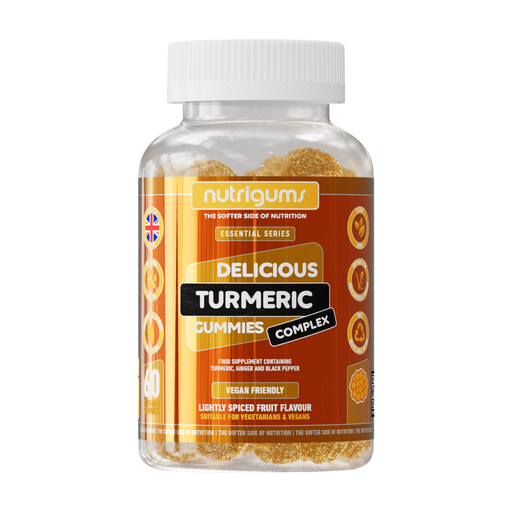
Why This Fits Their Persona: A chewable format may suit adults who dislike swallowing capsules and want a simple daily routine. The product is vegan and pectin-based.
The label states the turmeric, curcuminoid, ginger and piperine quantities per gummy, rather than relying only on a broad turmeric claim.
One gummy daily; vegan, gelatine-free and free from gluten, dairy, soy and nuts according to the supplied product information.
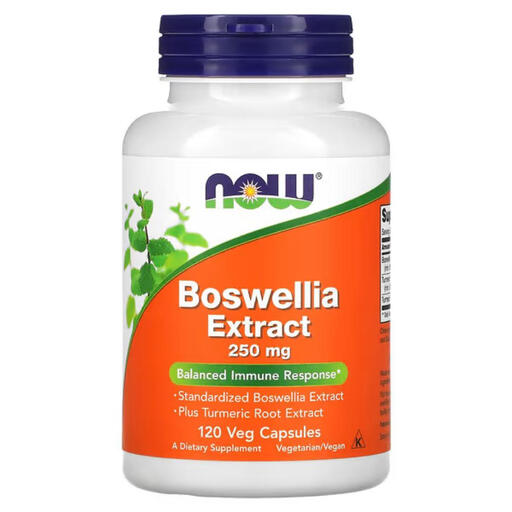
Why This Fits Their Persona: Suitable for adults comparing standardised botanical ingredients in a vegan capsule format for everyday joint support.
The supplied specification identifies 500mg Boswellia extract, 200mg turmeric extract and 200mg turmeric powder per two-capsule serving.
Vegan capsules with stated Boswellia standardisation of at least 65% organic acids, including boswellic acids.
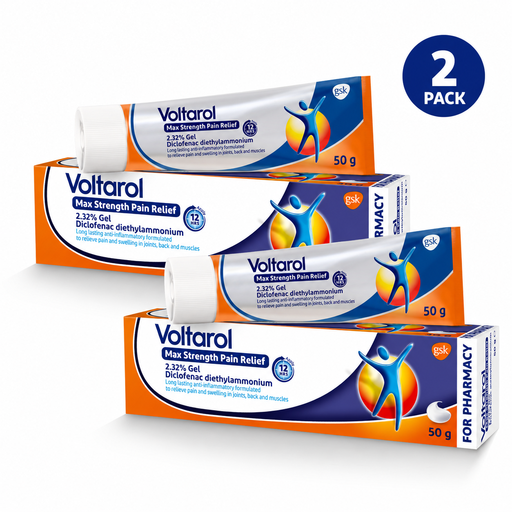
Why This Fits Their Persona: A localised topical option for adults and adolescents aged 14 and over managing discomfort associated with sprains, strains or osteoarthritis.
The active ingredient and strength are clearly stated: diclofenac diethylammonium 2.32%, equivalent to 1.16% diclofenac sodium.
Designed for twice-daily application, with clear limits on quantity, treatment area and duration.
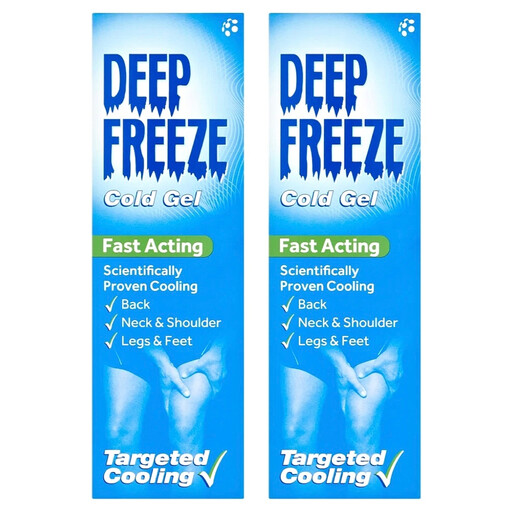
Why This Fits Their Persona: A drug-free cooling gel for minor muscle and joint discomfort after exercise or physical activity.
It is presented as a non-medicinal, external cooling product, so shoppers can distinguish sensory cooling from NSAID-based anti-inflammatory joint support.
Contains levomenthol, is suitable for targeted external use and can be applied up to three or four times daily as directed.
We have compiled a complete, real-time list of products that fully satisfy these strict selection criteria and UK safety regulations.
For localised discomfort, a topical gel may be practical. For longer-term nutritional support, shoppers often compare turmeric joint support, Boswellia, glucosamine and chondroitin, or bone and joint health formulas. OTC medicines may be appropriate for short-term symptomatic relief, but should be used strictly according to the label.
Supplements are intended for regular use and should not be judged by the immediate sensation produced by a cooling gel or painkiller. Follow the stated serving instructions and review the product after a reasonable period. Stop use and seek advice if adverse effects occur or symptoms persist.
Some people use an oral supplement alongside a topical product, but suitability depends on the ingredients and your medicines. Avoid combining products with overlapping ingredients without checking the labels. Ask a pharmacist before using turmeric, curcumin, CBD, glucosamine or anti-inflammatory medicines alongside existing treatment.