
24/7 Customer Support

Free returns

Same-day & Next-day Delivery

Quality Guaranteed

Unlock Your Welcome Offers: FREE Delivery | Up to 80% OFF | Free 30-day JoyPlus trial
Download the APP
Choosing joint support supplements can feel surprisingly complicated. Shelves and online listings are filled with turmeric, collagen, glucosamine, vitamins and mineral blends, often accompanied by ambitious promises about mobility and comfort. The right choice depends less on the loudest marketing and more on the ingredient amounts, dietary fit, format and safety information.
This guide explains what to check before buying joint health supplements in the UK, followed by practical recommendations for different routines and budgets.
A product may advertise “4,000 mg turmeric” or “20,000 mg collagen”, but the useful comparison is the actual serving size and form. Turmeric products may list an extract equivalent to a larger quantity of whole root. Collagen powders may show the weight of peptides per serving, while capsules often contain several ingredients in smaller quantities.
Always check:
Turmeric, ginger, glucosamine, collagen and mineral ingredients can still be unsuitable for people with allergies, medical conditions or prescribed medicines. For example, glucosamine may come from crustaceans, collagen may be bovine or marine, and some formulas include vitamin K2 or black pepper extract.
Read the full ingredient and allergen statement. Anyone taking blood-thinning medication, managing kidney stones or hypercalcaemia, preparing for surgery, pregnant or breastfeeding should seek advice from a healthcare professional before using relevant supplements.
Capsules are convenient, but two to four capsules daily may not suit everyone. Powders can provide larger serving quantities and mix into drinks, yet they require measuring and storage. Gummies are easy to take but may contain sugars or sweeteners. Sachets are useful for travel but usually cost more per serving than a larger tub.
A realistic routine is more valuable than an impressive-looking label that remains unopened.
Different joint mobility supplements focus on different nutritional areas:
These categories are not interchangeable. A mineral-focused product may suit someone prioritising calcium and vitamin D intake, while a collagen powder may be preferred by someone who already has a balanced mineral diet.
Look for a clearly stated daily serving and measurable quantities. Vitamins and minerals should be considered alongside UK nutrient reference values (NRVs) where provided. Do not assume a higher number is automatically more appropriate. Avoid stacking several products with overlapping calcium, vitamin D, turmeric, glucosamine or collagen unless a healthcare professional has advised it.
For vegan joint supplements, confirm that both the active ingredients and capsule or gummy shell are plant-based. A turmeric gummy made with pectin may be vegan, while a capsule containing gelatine is not. Marine collagen contains fish, and some glucosamine products contain crustaceans.
Also check for gluten, dairy, soya and nut information, particularly if you have an allergy or follow an exclusion diet. Product formulas can change, so the label supplied with your order should take priority over older online descriptions.
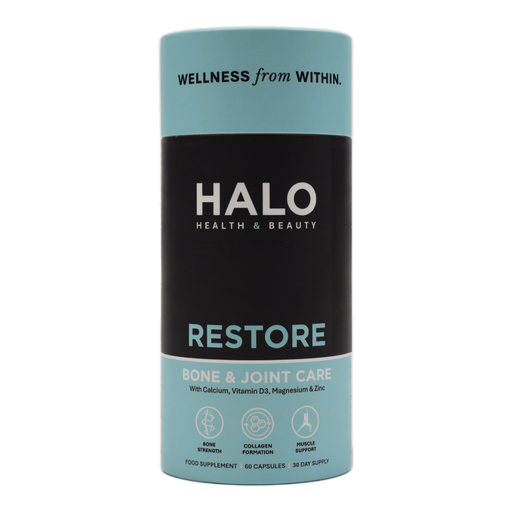
Why This Fits Their Persona: A straightforward two-capsule daily format for adults wanting one product covering bone, muscle and connective-tissue nutrients.
The label lists amounts per two capsules, including calcium, magnesium, vitamin D3, vitamin K2, vitamin C, zinc, copper and boron.
Vegan-friendly vegetable cellulose capsules; take with food according to the product directions.
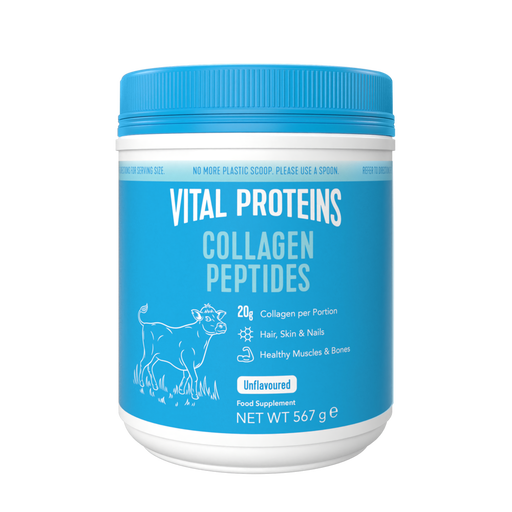
Why This Fits Their Persona: Single-serve sachets suit commuters, frequent travellers and anyone who prefers a measured collagen serving without carrying a large tub.
Each sachet provides 10g of bovine collagen peptides, making the daily quantity clear rather than relying on a vague blend total.
Unflavoured powder with no listed artificial colours, flavours or fillers; dissolves into hot or cold drinks.
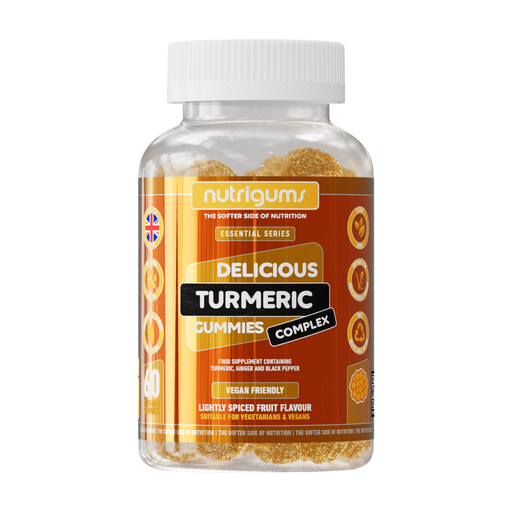
Why This Fits Their Persona: A gelatine-free, pectin-based gummy for adults who prefer a chewable format and plant-based ingredients.
The listing identifies turmeric, ginger, black pepper extract and vitamin D3, rather than presenting an unspecified herbal mixture.
Vegan, gelatine-free and free from gluten, dairy, soya and nuts according to the product information.
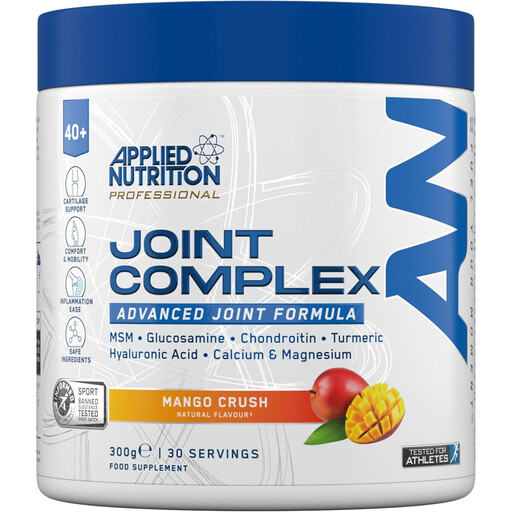
Why This Fits Their Persona: A scoopable drink format for active adults who do not want to swallow several tablets each day.
The 10g serving specifies 3,000mg MSM, 1,000mg glucosamine sulphate and 800mg chondroitin sulphate.
Mango-flavoured powder; contains crustacean-derived glucosamine, so it is not suitable for shellfish-free diets.
We have compiled a complete, real-time list of products that fully satisfy these strict selection criteria and UK safety regulations.
It depends on the serving size. A 60-capsule product taken as two capsules daily provides 30 days. A 300g powder taken at 10g daily provides approximately 30 servings. Always calculate the number of daily portions rather than comparing pack weights alone.
Neither format is automatically preferable. Capsules are portable and require no preparation, while powder can provide larger quantities of ingredients in one drink. Choose the format you are most likely to use consistently and check whether it fits your dietary requirements.
Avoid combining products casually. Overlapping ingredients may include calcium, vitamin D, turmeric, glucosamine, MSM or collagen. Review the labels together and ask a pharmacist or healthcare professional for guidance if you take prescribed medicines or have an existing medical condition. Food supplements should complement, not replace, a varied diet and healthy lifestyle.