
24/7 Customer Support

Free returns

Same-day & Next-day Delivery

Quality Guaranteed

Unlock Your Welcome Offers: FREE Delivery | Up to 80% OFF | Free 30-day JoyPlus trial
Download the APP
Joint support supplements come in tablets, capsules, powders and gummies, but comparing them is not simply a matter of choosing the largest number on the label. UK shoppers also need to consider ingredient quantities, dietary suitability, allergens, dosage and whether the format fits their routine.
Marketing can make a product sound more effective than its specification suggests. A sensible buying decision starts with separating measurable product details from broad lifestyle promises.
A large tub or high tablet count does not necessarily mean a high amount of glucosamine, chondroitin or MSM. Check the amount per serving, not just the net weight. A 300g powder may contain different serving sizes from another 300g product, while a 90-tablet pack may require up to four tablets daily.
Joint health formulas use different ingredients, so strength cannot be compared directly across products. For example, turmeric powder, standardised curcumin extract and full-spectrum curcumin liquid are not interchangeable. Similarly, glucosamine hydrochloride and glucosamine sulphate should be recorded exactly as shown on the label.
Glucosamine may come from shellfish, collagen may come from eggs or animals, and capsules may contain gelatine. Some products also advise caution when taking blood-thinning medicines or other prescribed treatments. Always read the current packaging, particularly if you have allergies, take regular medication or are pregnant or breastfeeding.
For a glucosamine chondroitin MSM supplement, look for a clear per-serving breakdown rather than a vague “joint complex” claim. Some formulas add collagen, hyaluronic acid, vitamin C or plant extracts such as turmeric and boswellia.
The ingredients serve different nutritional roles:
Avoid assuming that more ingredients automatically make a formula more suitable. A shorter formula can be easier to assess, especially if you are already taking several supplements.
Capsules are convenient for people who prefer a fixed serving. Powders can provide larger quantities of certain ingredients and may suit those who find tablets difficult to swallow. A joint support powder also needs to dissolve reasonably well and fit your preferred drink routine.
Gummies can be easier to remember, but check sugar and sweetener information. A joint support gummy may contain glucose syrup or sucrose, even when it includes a plant-based gelling agent.
For daily use, calculate the approximate cost per serving rather than comparing pack prices alone. Also check whether the product requires one, two or more servings each day.
Vegan joint supplements may use turmeric, boswellia, MSM or fermentation-derived hyaluronic acid, but not every “plant-based” formula is fully vegan. Collagen, gelatine, egg and shellfish sources need particular attention.
People seeking hyaluronic acid and MSM should check whether the stated quantity is per capsule or per daily serving. Runners and gym users may prefer a powder with a defined serving, while those seeking knee joint support may also consider non-supplement accessories such as patella straps. These products should not be presented as replacements for medical assessment.
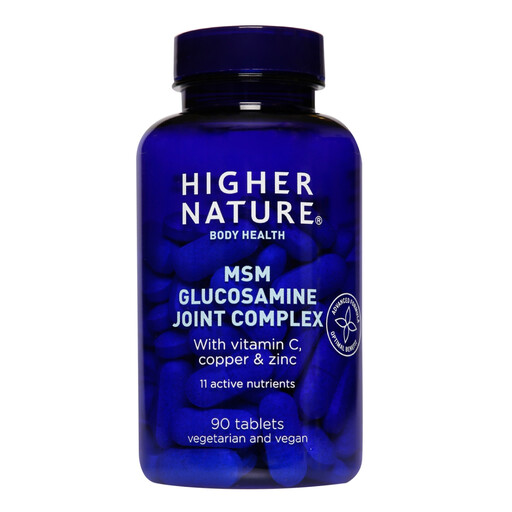
Why This Fits Their Persona: A tablet format with a flexible stated intake of one to four tablets daily may suit shoppers starting a structured routine and comparing pack size with serving requirements.
The label states quantities per tablet, making it easier to compare the daily intake instead of relying on the tablet count alone.
Includes MSM, glucosamine HCl, vitamin C, zinc and copper, plus a 90-tablet pack.
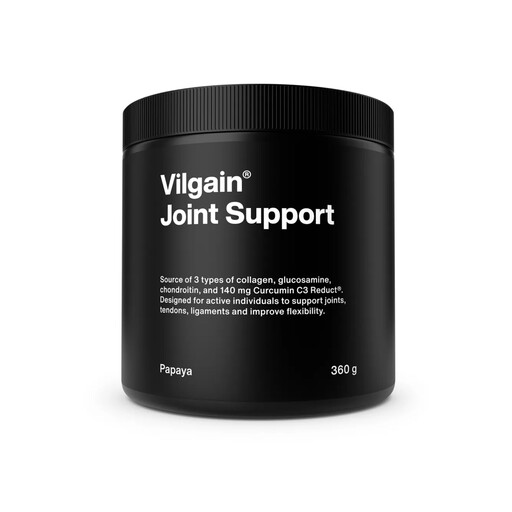
Why This Fits Their Persona: A broad powder formula may appeal to active adults who want collagen, glucosamine, chondroitin, MSM, turmeric and boswellia in one daily serving.
Its stated 12g serving and full ingredient list make the formula easier to audit than a generic multi-ingredient claim.
360g powder; papaya flavour; contains egg-derived collagen, so allergen checking is important.
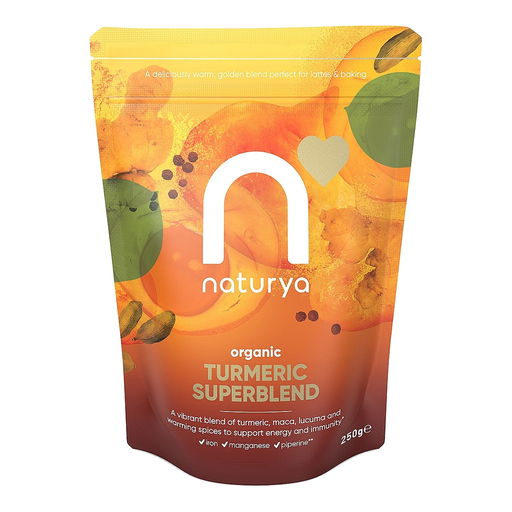
Why This Fits Their Persona: A plant-based powder that can be mixed into smoothies, porridge, soups or warm drinks, making it suitable for shoppers who prefer food-style supplementation.
The ingredients are clearly listed as turmeric, maca, lucuma, ginger, cinnamon, cardamom and black pepper, rather than hidden inside a proprietary blend.
100% plant-based, gluten-free and organic according to the product information; contains black pepper.
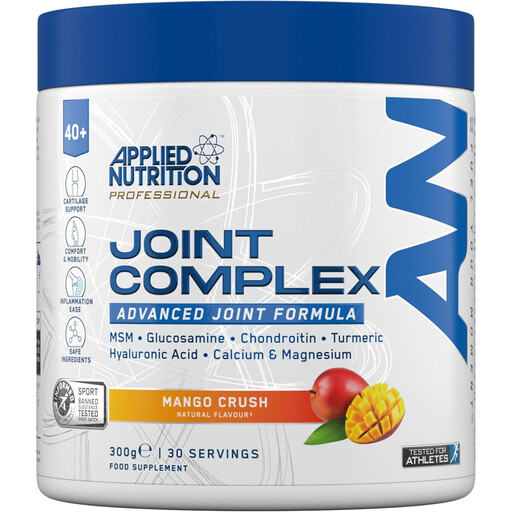
Why This Fits Their Persona: A once-daily mango powder with clearly stated quantities may suit runners, gym users and active adults who prefer a drink over several tablets.
The label specifies a 10g serving and lists MSM, glucosamine sulphate, chondroitin and hyaluronic acid separately.
300g format; includes turmeric extract, PEA and vitamins; contains crustaceans.
This depends on the product’s serving size and daily intake. Divide the total capsules, gummies or powder weight by the stated serving rather than estimating from the front-of-pack count. Store products as instructed and check the best-before date before purchase.
Combining products can duplicate ingredients such as turmeric, MSM, glucosamine or vitamin D. It may also create interaction concerns with medicines. Check each label and ask a pharmacist or doctor for advice before combining supplements.
Not necessarily. Compare the cost per daily serving, not the price of the container. Gummies may be convenient, but some contain sugars, while capsules may provide a more concentrated format. The suitable choice depends on ingredients, dietary needs and how consistently you can follow the routine.
For dog owners, a product such as a dog hip and joint supplement should only be selected for pets according to the animal product’s label and veterinary guidance. Human joint support supplements are not interchangeable with canine products.