
24/7 Customer Support

Free returns

Same-day & Next-day Delivery

Quality Guaranteed

Unlock Your Welcome Offers: FREE Delivery | Up to 80% OFF | Free 30-day JoyPlus trial
Download the APP
Choosing joint support supplements can be surprisingly difficult. Product labels often list familiar ingredients such as glucosamine, turmeric and collagen, yet the serving size, allergen information and intended use can vary considerably.
For UK shoppers, the most sensible approach is to compare the formula rather than rely on phrases such as “high strength” or “advanced support”. Supplements are not medicines, and they should not be used to diagnose or treat a health condition. They may, however, provide nutritional support as part of a balanced diet and active lifestyle.
A long list of ingredients does not automatically mean a product is suitable for you. Some formulas focus on a single botanical, while others combine glucosamine, chondroitin, MSM, collagen, vitamins and minerals.
The practical question is: does the formula match your specific reason for buying? A glucosamine chondroitin MSM supplement may suit someone looking for a multi-ingredient daily routine, whereas turmeric or Boswellia may appeal to shoppers seeking a more plant-based option.
The amount printed on the front of a tub may refer to the total weight of the product or a combined blend. Always check the nutrition panel for the quantity supplied per daily serving.
For example, one product may provide 1,500 mg of glucosamine per serving, while another lists a smaller amount spread across several tablets. Compare per-serving quantities, not just capsule count or pack size.
Glucosamine may come from crustaceans or shellfish, and collagen is commonly animal-derived. Some products may also contain egg, fish, milk or other allergens. Vegans and vegetarians should check capsule shells, collagen sources, flavourings and excipients rather than assuming a product is suitable.
If you have an allergy, take prescription medication or have an existing medical condition, read the product label and seek advice from a qualified healthcare professional before use.
Common ingredients in joint health supplements include:
A formula containing turmeric is not necessarily equivalent to a standardised curcumin capsule. Check whether the label states the turmeric extract quantity and, where applicable, the curcuminoid content.
Powders can be mixed with water, smoothies or porridge, but they require measuring and storage in a dry place. Tablets and capsules are convenient for travel, while gummies may be easier for people who dislike swallowing tablets but can contain sweeteners or sugars.
Check the recommended daily intake, whether the product should be taken with food and how many servings the pack provides. A product that fits your routine is more practical than one that looks impressive but is difficult to use consistently.
Look for clearly stated details such as:
No supplement should replace a varied diet, regular movement or professional medical care where needed.
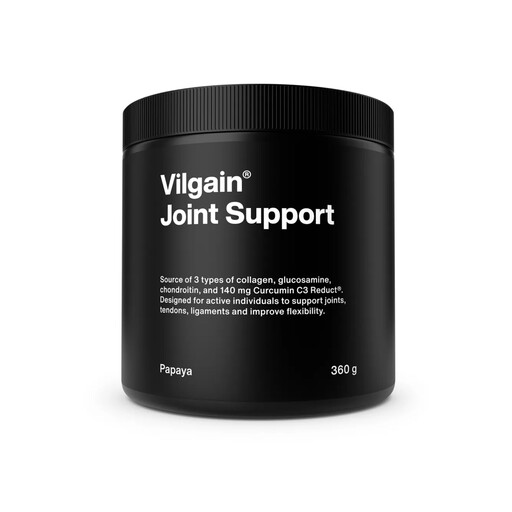
Why This Fits Their Persona: A powder format gives first-time buyers a flexible alternative to multiple tablets, with a 360g pack and papaya flavour for daily mixing.
The label lists its serving size and a broad ingredient profile, including collagen, glucosamine, chondroitin, MSM, curcumin and Boswellia.
Zero fat per 100g, 40.7g protein per 100g and a once-daily 12g serving. Contains egg, so check the allergen statement.
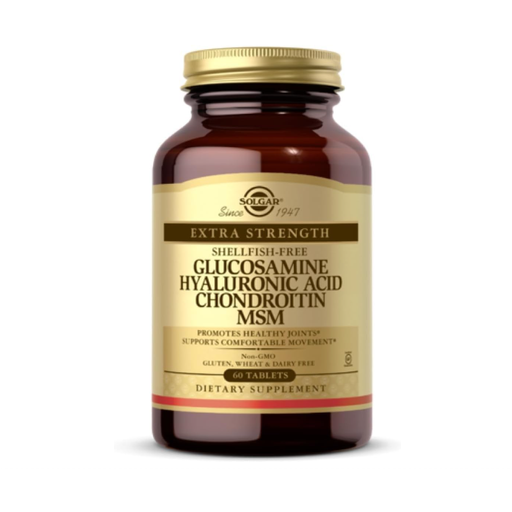
Why This Fits Their Persona: Suitable for adults who prefer a clearly labelled tablet formula and want to avoid shellfish-derived glucosamine.
Its label identifies the formula as shellfish-free and states a maximum of two tablets daily, making the intake easier to assess.
Provides glucosamine hydrochloride, chondroitin, MSM and type II collagen extract. Check the label if you have allergies or take medication.
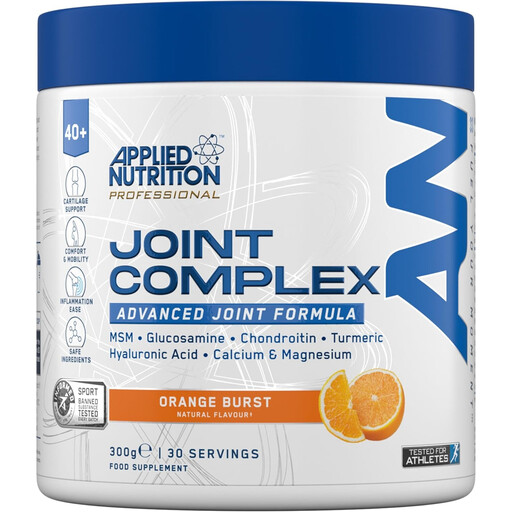
Why This Fits Their Persona: The orange powder format is convenient for gym-goers, runners and adults who prefer a drink mix after training or with a meal.
The nutrition panel gives quantities per 5g serving: 1,500mg glucosamine, 1,000mg MSM and 1,000mg chondroitin.
Includes vitamin C and is supplied as a 300g powder. The product information states that it contains no gluten; review the full allergen information before purchase.
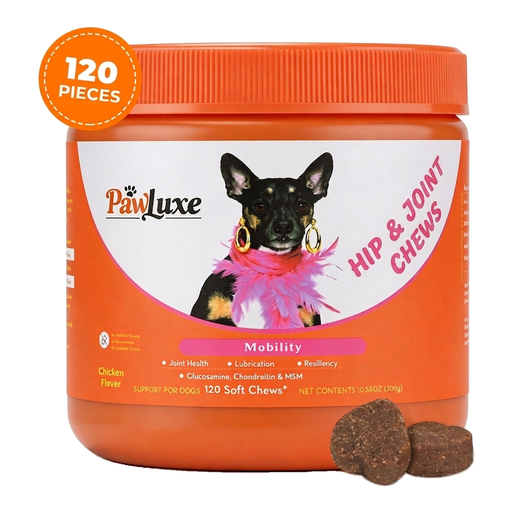
Why This Fits Their Persona: Designed specifically as a dog hip and joint supplement, with soft chicken-flavour chews that can be easier to give than powders or tablets.
It is clearly labelled for dogs rather than being a human joint product. The listed glucosamine source is shellfish, so check suitability carefully.
Each 2.5g chew lists glucosamine HCl, MSM, chondroitin, vitamins C and E. Ask your vet before introducing a supplement, especially if your dog takes medication.
We have compiled a complete, real-time list of products that fully satisfy these strict selection criteria and UK safety regulations.
This depends on the serving size and pack quantity. A 60-tablet product may last 30 days if the directions state two tablets daily, while a 300g powder may provide a different number of servings. Calculate pack weight divided by daily serving size before comparing prices.
Not necessarily. Turmeric powder contains naturally occurring compounds, while a curcumin product may use a concentrated or standardised extract. Some formulas also include black pepper extract or a liquid-filled capsule format. Compare the stated curcuminoid amount and follow the label instructions.
Combining glucosamine, turmeric, Boswellia, vitamins or other joint mobility supplements can duplicate ingredients or create interaction concerns. Do not combine products casually, particularly if you take anticoagulants, antiplatelet medicines or other prescribed treatments. Check with a healthcare professional first.