
24/7 Customer Support

Free returns

Same-day & Next-day Delivery

Quality Guaranteed

Unlock Your Welcome Offers: FREE Delivery | Up to 80% OFF | Free 30-day JoyPlus trial
Download the APP
Joint support supplements can look similar on a product page, yet their ingredients, serving sizes, allergens and intended use may differ considerably. Whether you are active, work at a desk, follow a vegan diet or want broader bone and joint support, the label deserves closer attention than the front-of-pack claims.
The most common purchasing mistakes are not necessarily about choosing the wrong brand. They usually involve buying an ingredient at an unclear dose, overlooking dietary restrictions or taking several overlapping products together.
A product may mention glucosamine, chondroitin, MSM or turmeric prominently, but the meaningful comparison is the amount per daily serving. One capsule may contain a modest quantity, while another product may require two or three tablets to provide its stated amount.
Compare:
This is particularly important when comparing glucosamine and chondroitin supplements, MSM joint support and combination formulas.
“Natural”, “advanced” and “high strength” are marketing descriptions, not substitutes for a complete ingredient panel. Turmeric products, for example, may contain whole turmeric root, a standardised curcumin extract or both. Some include black pepper extract, while others use a liquid-filled or emulsified format.
For turmeric joint support or curcumin capsules, check whether the label states:
A larger number on the front of the pack does not automatically make a formula more suitable for you.
Some joint health capsules contain crustacean-derived glucosamine, fish oil, fish-derived chondroitin, gelatine or soya. A supplement can therefore be unsuitable for people with allergies or those following vegan or vegetarian diets.
Avoid taking multiple products with the same active ingredients without checking the combined intake. This is especially relevant when pairing bone and joint supplements with calcium and vitamin D supplements, or combining separate turmeric, glucosamine and omega-3 products.
Choose the formula around your nutritional priority:
Look for clear statements such as vegan, vegetarian, shellfish-free or allergen information. “Plant-based capsule” does not mean that every ingredient is plant-derived. For example, a vegetable capsule may still contain fish oil or crustacean-derived glucosamine.
Also check whether the product is made for adults, whether it should be taken with food and whether the packaging provides a UK manufacturer or responsible business address.
Calculate the cost per day rather than comparing pack prices alone. A 30-capsule pack may last 30 days, but a 60-tablet pack requiring two tablets daily also lasts 30 days.
Follow the label’s recommended intake and do not exceed it. Keep capsules and powders sealed in a cool, dry place, away from children. Supplements should complement a varied diet and active lifestyle, not replace medical care.
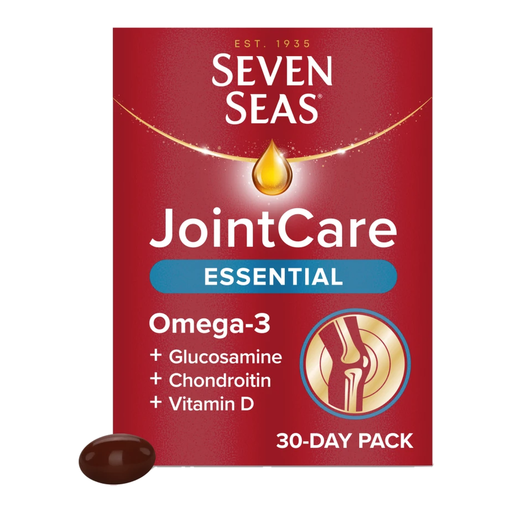
Why This Fits Their Persona: A straightforward 30-day format for UK adults wanting a familiar daily combination without managing several separate products.
The label lists quantities for glucosamine, chondroitin, omega-3, vitamin C, vitamin D, zinc and manganese per capsule.
One-capsule daily format; includes omega-3 and clearly stated mineral amounts. Contains fish and crustacean ingredients.
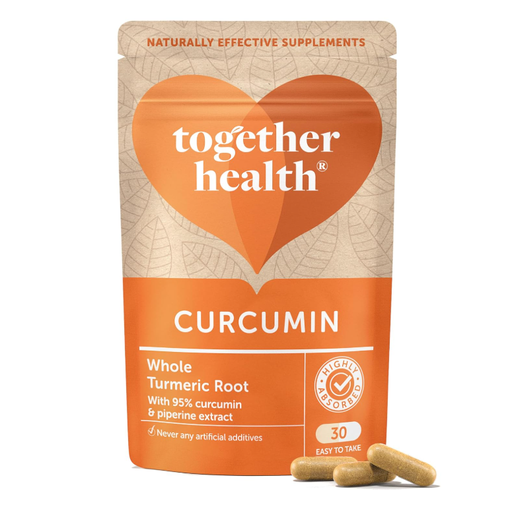
Why This Fits Their Persona: A plant-based choice for shoppers who specifically want a turmeric and curcumin-led formula in a compact capsule.
It states 300 mg turmeric rhizome extract, 200 mg standardised to 95% curcumin and 3 mg black pepper extract per capsule.
Vegan, gluten-free, dairy-free and soy-free formulation; vegetable cellulose capsules.
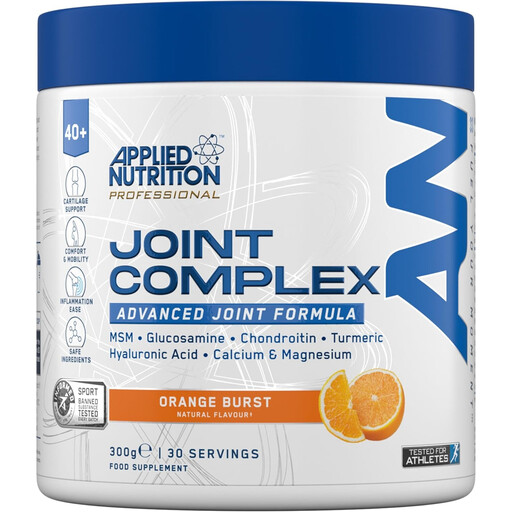
Why This Fits Their Persona: Suitable for active adults and gym users who prefer a mixed drink over swallowing several tablets.
The product gives a defined 5 g serving, with 1,500 mg glucosamine sulphate, 1,000 mg MSM and 1,000 mg chondroitin sulphate.
Orange-flavoured powder; includes vitamin C and is suitable for vegetarian and gluten-free diets.
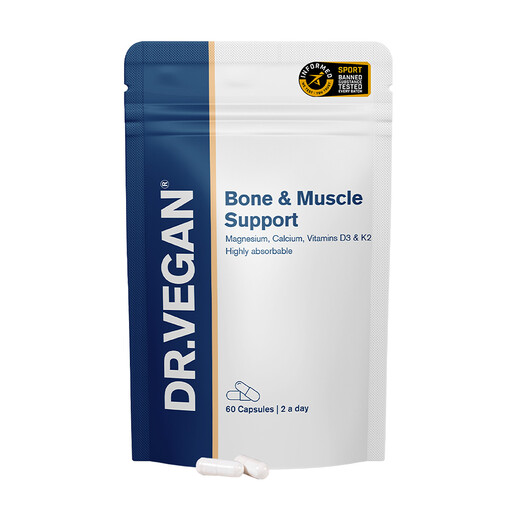
Why This Fits Their Persona: A practical option for adults following a vegan or vegetarian lifestyle who are comparing bone and joint supplements.
The label identifies calcium bisglycinate, magnesium citrate, vitamin D3 and vitamin K2 rather than using a vague mineral blend.
Vegan formulation; two-capsule serving provides 160 mg calcium, 150 mg magnesium, 25 mcg vitamin D3 and 100 mcg vitamin K2.
We have compiled a complete, real-time list of products that fully satisfy these strict selection criteria and UK safety regulations.
Read the current packaging, ingredients and warnings before purchase because formulations can change. Speak to a pharmacist or healthcare professional before use if you are pregnant, breastfeeding, have a medical condition or take prescription medicines. This is particularly important for products containing turmeric, vitamin K2, calcium, glucosamine, fish oil or Boswellia when you use anticoagulants or other regular medication.
Persistent pain, swelling, restricted movement or a sudden change in symptoms should be assessed by a healthcare professional rather than managed solely with supplements.
Shelf life varies by product and should be taken from the best-before information on the packaging. Once opened, store the product as directed and keep the lid or pouch securely closed. A pack’s usage duration depends on the daily serving, not simply the capsule count.
Vegan joint supplements can suit adults avoiding animal-derived ingredients, but “vegan” does not remove the need to check dosage, allergies or medicine interactions. Some vegan formulas focus on turmeric, MSM, hyaluronic acid or bone nutrients rather than glucosamine and chondroitin.
Avoid combining products automatically. Check for repeated glucosamine, turmeric, MSM, calcium, vitamin D, vitamin K2 or omega-3 ingredients and ask a pharmacist if you take medication. Follow each label’s stated maximum intake and remember that supplements are intended to complement a balanced diet.