
24/7 Customer Support

Free returns

Same-day & Next-day Delivery

Quality Guaranteed

Unlock Your Welcome Offers: FREE Delivery | Up to 80% OFF | Free 30-day JoyPlus trial
Download the APP
Adding fresh juice to your diet sounds simple, but choosing the right appliance can be surprisingly complex. The market is filled with models that promise convenience and health, yet many end up gathering dust in a cupboard. This often happens because of a few common but costly pitfalls that catch out unwary buyers.
As a Joybuy Product Recommendation Officer, my role is to help you see past the marketing jargon. Before you invest in a new juicer, let's look at the three most common traps to avoid:
To make an informed choice, it helps to understand a few key parameters. These features determine a juicer's performance, convenience and suitability for your kitchen.
The most significant decision is the type of juice extractor you choose. Each is designed for different purposes.
The feed chute is the opening where you insert your produce. A narrow chute (under 75mm) means you'll spend considerable time chopping everything into small pieces. A model advertised as a juicer for whole fruit will have a much larger chute (e.g., 110mm or 130mm), allowing you to drop in whole apples or large chunks of fruit, saving valuable prep time.
Look for features that genuinely make cleaning easier. A filter-free design is a significant advantage, as it replaces the traditional mesh screen that is notoriously difficult to scrub. Also, check if the removable parts are dishwasher-safe and made from BPA-free materials for peace of mind.
To help you find the right fit, we've matched a few options to different user needs. Instead of one "best" model, the right choice is the one that aligns with your lifestyle.
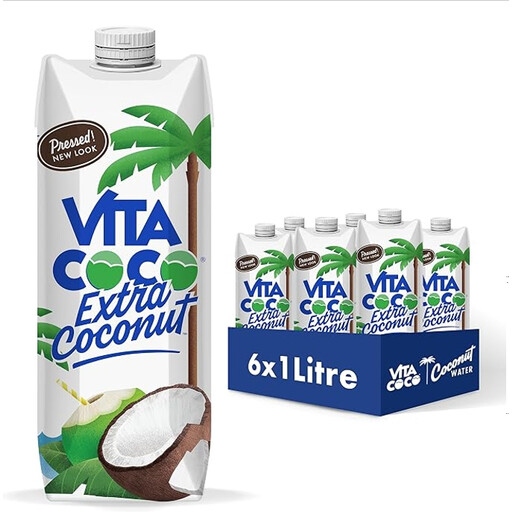
Why This Fits Their Persona: For those who want the benefits of a healthy drink without any of the work. This is the ultimate grab-and-go solution for a busy lifestyle, providing hydration and nutrients instantly.
This completely bypasses the "hard to clean" and "time-consuming" pitfalls of owning a juicer. There is no prep, no operation and no cleaning required.
Ready-to-drink pressed coconut water with naturally occurring electrolytes and a high vitamin C content. Zero effort for maximum convenience.
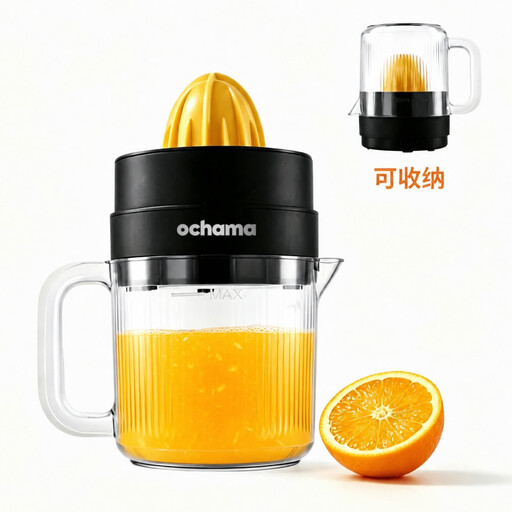
Why This Fits Their Persona: Perfect for someone who wants a fresh glass of orange or lemon juice every morning without fuss. It's a specialised tool that does one job efficiently and effectively.
It avoids the "one size fits all" trap by being an affordable, dedicated electric citrus juicer. Its simple, bladeless structure with removable parts makes it genuinely easy to clean.
Features a safe, bladeless design suitable for the whole family and has a simple structure for quick disassembly and cleaning. The 1.4L capacity is great for making several glasses at once.
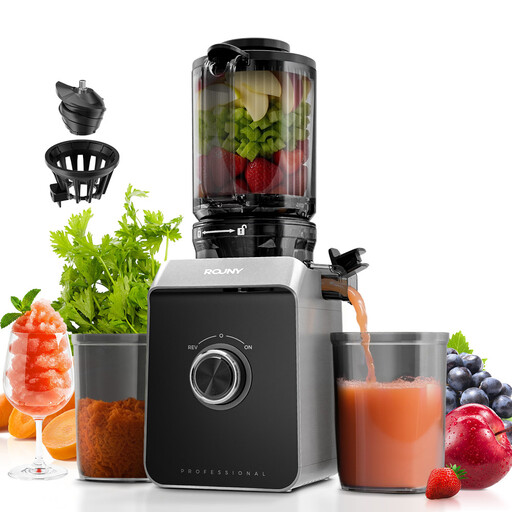
Why This Fits Their Persona: For the user who is serious about incorporating a variety of fresh juices into their diet. This cold press juicer is designed for high yield and versatility, from hard vegetables to soft fruits.
It directly tackles the cleaning and yield pitfalls. The filter-free easy clean design simplifies maintenance, while the slow press method maximises juice extraction, reducing food waste.
The extra-wide 130mm feed chute reduces prep time significantly. It's also versatile, with a function to make ice cream from frozen fruits, and is built with a durable pure copper motor.
We have compiled a complete, real-time list of products that fully satisfy these strict selection criteria and UK safety regulations.
A slow juicer is not universally "better," but it is better for specific goals. Its cold press method is highly efficient at extracting juice, especially from leafy greens like kale and spinach, resulting in a higher yield and very dry pulp. The slower, heat-free process is also thought to better preserve vitamins and enzymes. However, they are slower to operate and often more expensive. For someone who only wants orange juice, a simpler electric citrus juicer is a more practical and economical choice.
The running cost is generally very low. A typical electric citrus juicer might use around 30-40W of power, while a more powerful slow juicer might use 150-250W. Even if you used a 200W juicer for 15 minutes every day, the electricity cost would amount to only a few pounds per month. The far greater cost is the fresh produce you put into it, which is why choosing a model with a high juice yield is so important for long-term value.
The lifespan of a juicer depends on its build quality, motor and how it's used and maintained. Models with robust components, such as a pure copper motor, are designed for greater stability and longevity compared to those with cheaper alternatives. Regular cleaning after each use and not forcing oversized or overly hard ingredients through the machine will also significantly extend its life. Look for products that offer a solid warranty period, as this indicates the manufacturer's confidence in its durability.