
24/7 Customer Support

Free returns

Same-day & Next-day Delivery

Quality Guaranteed

Unlock Your Welcome Offers: FREE Delivery | Up to 80% OFF | Free 30-day JoyPlus trial
Download the APP
Fresh juice can be convenient for busy mornings, family breakfasts and home cooking, but choosing between the many juicers available in the UK is not always straightforward. A low price may hide a small pulp container, difficult cleaning or a motor that is unsuitable for your usual ingredients.
Before buying an electric juicer, look beyond wattage and attractive claims. The right choice depends on the produce you use, how much juice you make, your available kitchen space and whether you will realistically clean the appliance after every use.
Motor power is only one part of performance. An 800W centrifugal juicer may process hard apples and carrots quickly, while a 150W masticating juicer uses a slower crushing and pressing mechanism. Neither specification alone tells you how suitable the appliance is for your routine.
Check the juicing method, speed settings, feeding tube and recommended produce together. A citrus juicer, for example, does not need the same motor power as a fruit and vegetable juicer because it is designed for halved fruit rather than whole produce.
A narrow feed tube can mean considerable chopping before every glass. Similarly, a juicer machine with several awkward parts may spend more time in a cupboard than on your worktop.
Look for practical features such as a juicer with a wide feeding tube, dishwasher-safe removable parts, a brush for the sieve and a drip-stop spout. These details do not eliminate cleaning, but they can make regular use more manageable.
A large pulp basin may suit a family, but it also requires more storage space. A compact 470ml model may work well for one person, yet feel inconvenient when preparing several servings.
Compare the juice jug capacity, pulp basin capacity and overall dimensions. Also check whether the stated capacity refers to the collection jug or the waste container; these are different measurements.
A centrifugal juicer uses a fast-spinning sieve to separate juice from pulp. It is generally suited to users who value quick preparation and want to process hard fruit and vegetables. Foam and separation may occur, so serving the juice promptly can be preferable.
A slow juicer, also called a masticating juicer, crushes and presses ingredients at a lower speed. This format is often considered for leafy greens, softer produce and users who prefer a slower extraction process. It can take longer to feed and clean, and the chute may still require preparation despite marketing claims.
A citrus juicer or orange juicer is more focused. It is practical for oranges, lemons, limes and grapefruits, but it will not replace a general-purpose fruit and vegetable juicer.
A wide chute can reduce slicing. For example, the Nutribullet 800W model has a 3-inch, approximately 7.6cm chute, while the Braun SJ5000 lists a 75mm feed chute. These openings may accommodate larger pieces, but hard skins, stones, pips, stalks and unsuitable rinds still need to be removed according to the instructions.
Do not push ingredients with your hands or utensils. Use the supplied pusher gently, as excessive force can affect operation and place unnecessary strain on the appliance.
For a genuinely easy-to-clean juicer, confirm which parts are dishwasher-safe and which must be wiped by hand. Motor bases should not be immersed in water. A stainless steel sieve or filter can usually be rinsed with the supplied brush soon after use to prevent dried pulp building up.
For UK households, check the product listing and packaging for 220–240V compatibility, the correct plug arrangement and applicable UK safety markings before purchase. Always follow the supplied manual, unplug the machine before disassembly and keep moving parts away from children.
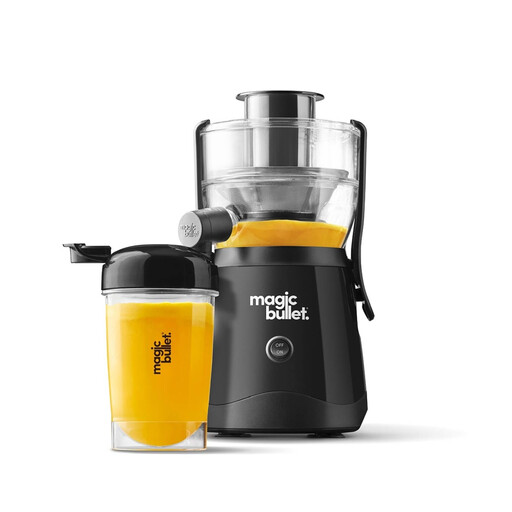
Why This Fits Their Persona: Its compact format, 470ml pitcher and 400W motor suit individuals, students and smaller UK kitchens starting a home juicing routine.
The smaller collection size makes its intended single-serve use clear, rather than suggesting it is designed for large family batches.
10-piece set; dishwasher-safe components; compact dimensions for a small footprint.
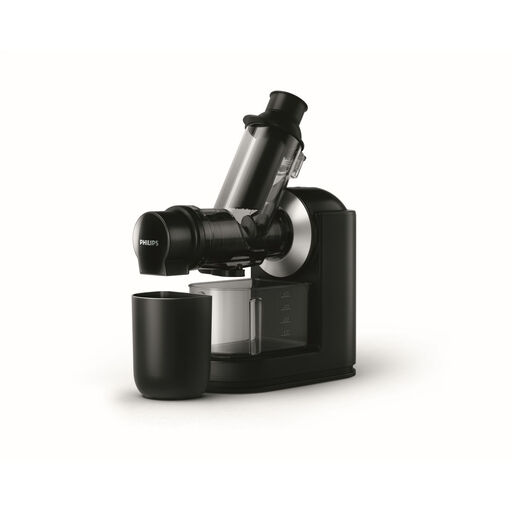
Why This Fits Their Persona: Users who prioritise a slow extraction format, leafy greens and a more structured preparation routine may appreciate its 100 RPM operation and 1L juice container.
The clearly stated slow-juicing format helps buyers choose based on process rather than assuming every juicer works identically.
70mm XL feeding tube; dishwasher-safe detachable parts; anti-drip function.
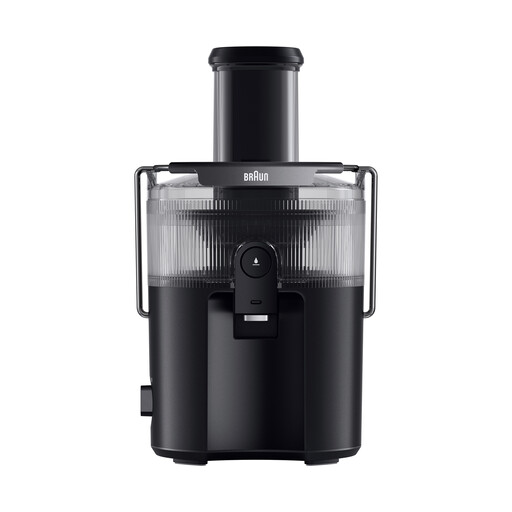
Why This Fits Their Persona: Families and regular juice makers can consider its continuous juicing design, 2-litre capacity and 75mm chute for larger preparation sessions.
Its stated pulp and juice capacities let heavy users assess batch suitability before buying instead of relying on vague “family-sized” wording.
Up to 2L continuous juicing; two speed settings; anti-drip system.
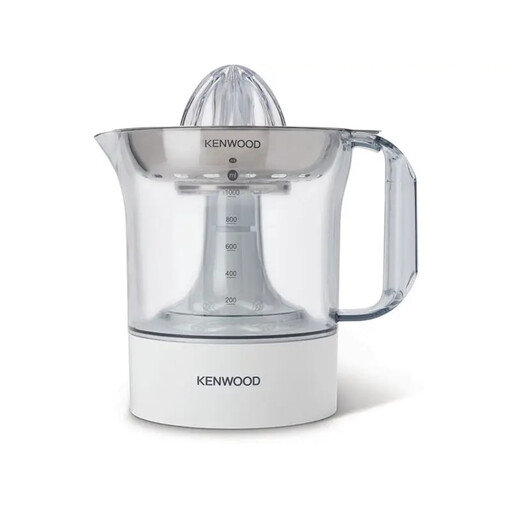
Why This Fits Their Persona: Anyone who mainly prepares orange, lemon, lime or grapefruit juice may prefer a compact appliance dedicated to citrus fruit.
It avoids paying for a general-purpose machine when the intended ingredients are limited to citrus fruit.
1L jug; two-way rotation; dishwasher-safe detachable parts and stainless steel filter.
We have compiled a complete, real-time list of products that fully satisfy these strict selection criteria and UK safety regulations.
The electricity cost depends on the motor rating and how long the machine operates. A short session with a centrifugal juicer may use little electricity, while longer preparation and cleaning routines add to overall effort. Compare the stated wattage, expected session length and your intended frequency rather than judging cost from wattage alone.
Lifespan depends on build quality, frequency of use, correct assembly and cleaning. Avoid overloading the feeding tube, forcing hard ingredients or operating with damaged parts. Check the warranty period and whether replacement components, such as sieves or filters, are available before purchasing.
Choose a citrus juicer if you mainly want orange, lemon, lime or grapefruit juice and value simple operation. Choose a centrifugal or masticating model if you also want to process apples, carrots, celery, berries or leafy greens. Matching the machine to your regular ingredients is usually more useful than selecting the appliance with the longest feature list.