
24/7 Customer Support

Free returns

Same-day & Next-day Delivery

Quality Guaranteed

Unlock Your Welcome Offers: FREE Delivery | Up to 80% OFF | Free 30-day JoyPlus trial
Download the APP
Buying one of the many juicers available online can seem straightforward until you compare motor power, pulp handling, cleaning and fruit compatibility. A model that suits a family making apple and carrot juice may be inconvenient for someone who only wants a lemon for cooking.
The right choice depends less on impressive marketing language and more on how the appliance fits your kitchen, ingredients and routine. Before choosing an electric juicer, citrus press or manual lemon juicer, consider these common buying pitfalls.
Motor power is useful, but it does not tell you everything about a juicer. A powerful centrifugal juicer may process firm produce quickly, while the feed chute, sieve design and speed controls also affect preparation and operation.
For occasional citrus juice, a 30W press may be more practical than an 800W fruit and vegetable juicer. Paying for more power than you need can increase the appliance’s size, noise and cleaning requirements without adding useful functions to your routine.
A product described as a “fresh juice maker” may still involve several parts to rinse after every use. Pulp can dry around a sieve, chute or spout if cleaning is delayed.
Check whether removable components are dishwasher-safe, whether a cleaning brush is included and whether the motor base must be wiped rather than immersed. A dishwasher-safe juicer can reduce effort, but always follow the manufacturer’s instructions for which parts may go in the dishwasher.
A citrus juicer is designed for oranges, lemons, limes and similar fruit. It is not interchangeable with a centrifugal model intended for apples, carrots, celery and other produce.
Likewise, a lemon squeezer is convenient for small quantities but will not replace a home juicer when preparing several glasses. Selecting the wrong format may leave you with an appliance that is either underpowered for your recipes or unnecessarily complicated for simple citrus use.
Choose the mechanism according to what you regularly prepare:
Always remove rinds, stones, stems and unsuitable seeds where the instructions require it. Citrus peel can be particularly bitter and may not be suitable for standard electric juicers.
Capacity should match the number of people using the appliance. A 1.5L pulp basin can be useful for family-sized batches because it reduces how often waste needs emptying. An 800ml juice pitcher may suit a smaller serving or two-person household.
A wide feed chute can reduce chopping. For example, a 3-inch or 7.6cm chute may accept some whole or larger pieces of produce, but fruit must still fit safely and be prepared according to the manual. Do not force ingredients through the opening.
For an electric juicer in the UK, check the stated voltage, plug type and safety information before purchase. The Nutribullet specification supplied for this range lists global voltage options, but shoppers should confirm that the delivered variant is suitable for a UK 220–240V supply.
Look for secure assembly, a stable base, a supplied food pusher and clear cleaning instructions. Do not place hands or utensils into a moving chute, and unplug the appliance before disassembly. For food-contact parts, review the material information supplied with the product and follow its care instructions.
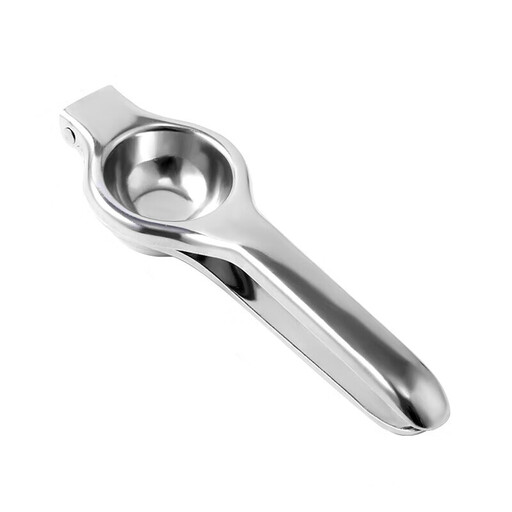
Why This Fits Their Persona: A straightforward option for UK households that need small amounts of lemon juice for cooking, baking or drinks without buying a powered appliance.
It does not add unnecessary motor power or multiple removable electrical parts for occasional citrus use.
Manual operation; stainless-steel construction as specified; compact storage format.

Why This Fits Their Persona: A practical match for households preparing mixed fruit and vegetable juice regularly and wanting a larger electric juicer with reduced preparation time.
The product specification clearly states the 1.5L pulp basin, 800ml pitcher and dishwasher-safe sieve, basin and pitcher, making capacity and clean-up easier to assess.
800W motor; two speed settings; 3-inch feed chute; no-drip spout and froth separator.
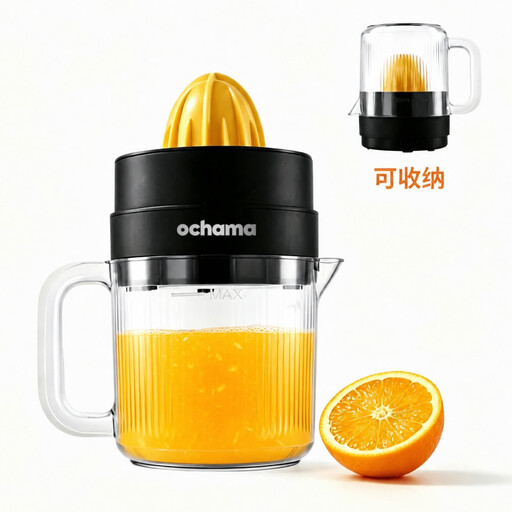
Why This Fits Their Persona: Suited to frequent citrus preparation for breakfast, family drinks or recipes where pressing several oranges and lemons by hand would be tiring.
Its stated 1.4L capacity and pulp separation address frequent batch preparation, while the bladeless design avoids the rotating cutting mechanism found in centrifugal models.
30W electric press; 1.4L capacity; removable parts; suitable for oranges, lemons, tangerines and pomegranates.
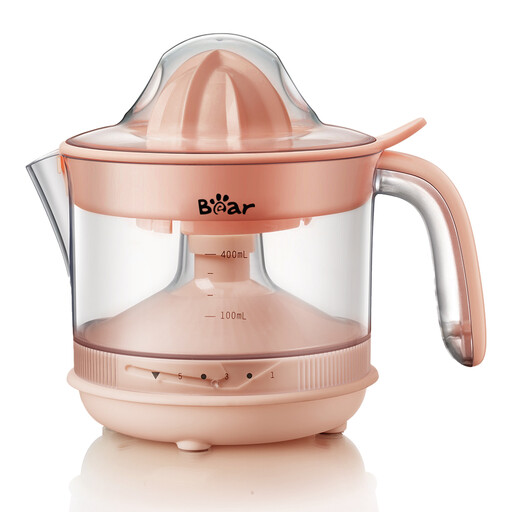
Why This Fits Their Persona: A compact home orange juicer for users who want one-touch operation, adjustable pulp control and easy storage between uses.
The listing specifies five adjustable pulp levels and a 110mm feed chute, so buyers can assess control and fruit size rather than relying on vague extraction claims.
One-touch operation; pulp separation; compact and lightweight design; 24-month warranty stated in the listing.
We have compiled a complete, real-time list of products that fully satisfy these strict selection criteria and UK safety regulations.
For a centrifugal juicer, wash produce before cutting it to the required size. Use the lower setting for softer fruit where available and the higher setting for firmer ingredients, following the product guide. Feed produce steadily rather than forcing it.
With a citrus press, halve fruit across the middle and remove visible seeds if required. Adjust pulp settings to suit your household rather than assuming a completely smooth texture is preferable.
After use, unplug the appliance, separate the removable parts and rinse them promptly. Keep the motor base dry, inspect seals and strainers for residue, and allow components to dry fully before storage.
Running cost depends on the appliance’s wattage and how long it operates. A 30W citrus juicer generally uses less electricity per minute than an 800W centrifugal juicer, but total consumption also depends on processing time and batch size. Check the wattage label and use the appliance only for the required duration.
No. Dishwasher suitability applies only to the parts identified by the manufacturer. For the listed Nutribullet model, the sieve, pulp basin and pitcher are described as dishwasher-safe, while the motor base should be wiped clean. Never immerse an electric motor base in water.
Lifespan depends on frequency of use, ingredient preparation, cleaning and storage. Avoid overloading the feed chute, use the supplied pusher and stop if the appliance becomes unusually hot or makes abnormal noises. Keeping strainers and seals clean can help maintain normal operation, but warranty terms and replacement-part availability should also be checked before purchase.