
24/7 Customer Support

Free returns

Same-day & Next-day Delivery

Quality Guaranteed

Unlock Your Welcome Offers: FREE Delivery | Up to 80% OFF | Free 30-day JoyPlus trial
Download the APP
Kelp knots can be a convenient Chinese seaweed snack, a hot pot ingredient or a chewy addition to soups and stir-fries. However, products sold under similar names can differ considerably in preparation, flavour, texture, pack size and salt content.
Before buying, watch for three common pitfalls:
Use the information on the product label, including ingredients, allergens, storage instructions and nutritional values, rather than relying only on front-of-pack descriptions.
The most important distinction is whether the product is ready to eat.
Ready-to-eat seaweed snack products are usually cooked, seasoned and packed for direct consumption. Some are more enjoyable chilled and may need refrigeration after opening. They can also work as a side dish, rice topping or quick accompaniment to noodles.
Preserved seaweed knots may contain salt, vinegar, sugar, flavour enhancers and preservatives. They are generally convenient, but the flavour can be stronger and the sodium level higher than in plain dried kelp.
Dried kelp knots normally require soaking in water before being added to soup, hot pot, salads or stir-fries. Follow the packet directions and cook thoroughly when the instructions require it. They are more suitable for cooks who want to control seasoning themselves.
Do not confuse kelp knots with konjac knots. Konjac has a springy, smooth texture and is often used in hot pot or low-calorie meals, but it is a different ingredient from seaweed.
Check whether the product contains only kelp or a prepared sauce. Seasoned varieties may include:
In the UK, allergens should be clearly highlighted on food packaging. If you have an allergy or follow a restricted diet, check the full label rather than assuming that a seaweed-based product is allergen-free. Plain kelp products generally have shorter ingredient lists, while spicy kelp knots often contain several additional ingredients.
Texture ranges from tender and chewy to firm and crunchy. A crispy kelp knots product may be more appealing as a snack, whereas softer knots are often better in soup or hot pot.
Compare nutrition per 100g, but remember that the stated basis may differ. Some labels show values for the dry product, while others refer to rehydrated seaweed. Pay particular attention to salt or sodium. For example, Guo Sheng Spicy Kelp Knots list 1,200mg sodium per 100g, while the 7FRESH spicy version lists 1,800mg sodium per 100g. These products may suit occasional snacking rather than unrestricted consumption.
Energy values also vary. LYY Crispy Kelp Knots list 68kcal per 100g, while Guo Sheng Spicy Kelp Knots list 84kcal per 100g. These figures should be considered alongside serving size, oil content and salt.
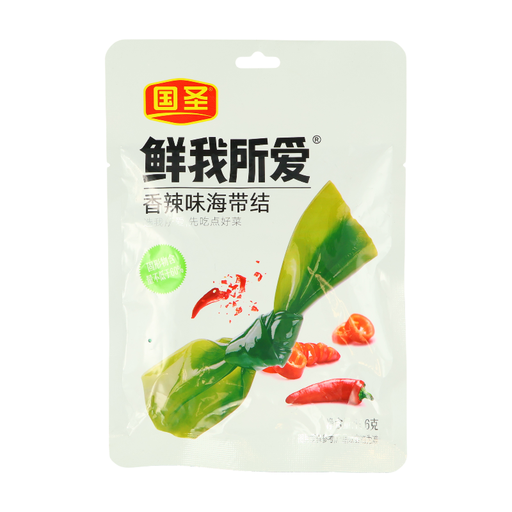
Why This Fits Their Persona: A manageable 106g pack offers a straightforward way to try a Chinese seaweed snack without committing to a larger quantity.
It is labelled ready to eat, so there is no soaking step to overlook. The ingredient and allergen information identifies sesame, soybean and wheat.
Seasoned with chilli and Sichuan peppercorn; listed at 84kcal and 1,200mg sodium per 100g.
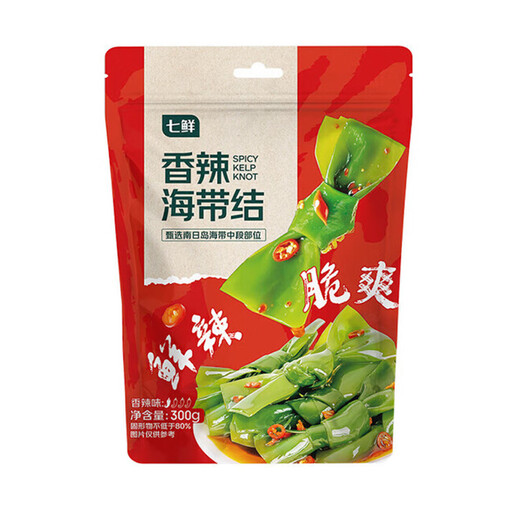
Why This Fits Their Persona: The larger pack suits households that regularly serve seasoned kelp as a chilled side dish or snack.
The product description clearly states that it is pre-seasoned and ready to eat. Storage advice also warns against consuming a swollen or leaking bag.
300g net weight; firm, crunchy texture; contains soybean and includes a full seasoning list.
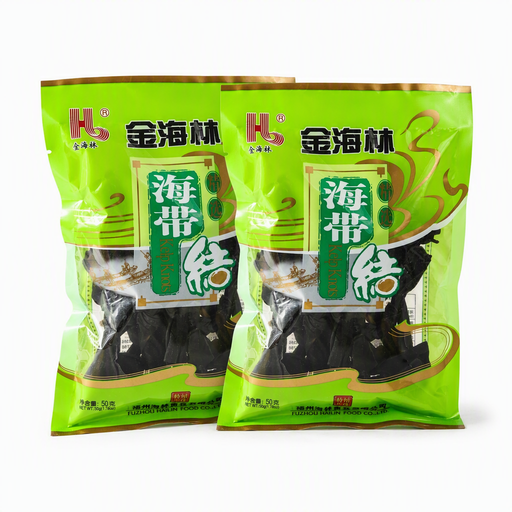
Why This Fits Their Persona: Home cooks preparing hot pot, soups, salads or stir-fries can portion the two 50g packs as needed.
This is clearly marked as not ready to eat and requires soaking, preventing confusion with preserved or seasoned snacks.
Kelp is the only listed ingredient; supplied as two 50g packs; listed at 30kcal per 100g.
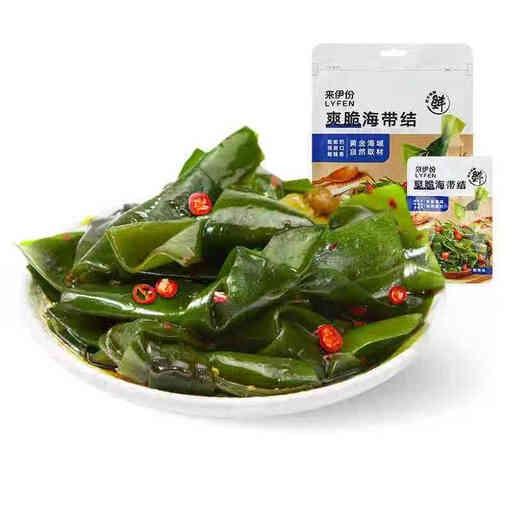
Why This Fits Their Persona: The sweet-and-sour seasoning and crisp, chewy texture suit shoppers seeking a ready-to-eat alternative to conventional savoury snacks.
The packet states that it is ready to eat, while allergen information flags soybeans and possible traces of peanuts and sesame.
132g pack; 68kcal per 100g; listed as sugar-free with a crisp and chewy texture.
We have compiled a complete, real-time list of products that fully satisfy these strict selection criteria and UK safety regulations.
Some are, but not all. Seasoned products such as spicy kelp knots are often ready to eat, while dried kelp knots require soaking before use. Always check the preparation instructions on the packet.
Follow the individual product instructions. Ready-to-eat seasoned products may need refrigeration after opening and should be consumed promptly. Dried products should be resealed and kept in a cool, dry place away from moisture and direct sunlight.
Plain dried kelp knots are particularly suitable for hot pot because they can be rehydrated and cooked with the other ingredients. Preserved or spicy versions can also be added, but their seasoning may affect the flavour and salt level of the broth. Konjac knots are an alternative with a different texture and preparation method.