Shoppers counting carbohydrate closely
If you use a carton drink often, compare carbohydrate per 100 ml and work out the amount in your usual pour. Coconut, vegan and organic wording cannot stand in for that figure.


For a smaller labelled carbohydrate contribution, compare coconut drinks by carbohydrate per 100 ml and by the amount you actually pour: Alpro UK lists 0.0 g per 100 ml for Coconut No Sugars, while Koko Dairy Free lists 0.4 g for Unsweetened No Sugar Milk. Cooking coconut milk serves a different purpose, so check its own nutrition basis and recipe amount; if a drink regularly replaces dairy milk, check its fortification and allergen information too.
If you use a carton drink often, compare carbohydrate per 100 ml and work out the amount in your usual pour. Coconut, vegan and organic wording cannot stand in for that figure.
Look beyond carbohydrate to the nutrients declared on the exact carton. The UK Scientific Advisory Committee on Nutrition and Committee on Toxicity report that plant-based drinks vary considerably in nutrient composition.
A coconut drink for coffee or cereal and a cuisine-style coconut milk have different uses. Choose the format your recipe calls for, then check its carbohydrate label and the amount going into the dish.
Start with the nutrition basis and your portion, then check whether the product is a drinking carton or a cooking ingredient. If you use it frequently or have an allergy, the ingredient and fortification details also matter.
| Priority | What to check | Your needs |
|---|---|---|
| Carbohydrate | Compare carbohydrate, not just sugars, per 100 ml across drink cartons. Use the amount poured to work out the contribution of a serving; keep per-100-g figures on their stated basis. | I want to account for what goes into each drink or recipe, rather than treating “no added sugar” or “filtered” as a carbohydrate figure. |
| Product format | Check whether the label describes a coconut drink or cooking coconut milk. For a recipe, check the stated nutrition basis and measure the amount used. | A coffee needs a drink carton; a dish that calls for cooking coconut milk needs me to check a different product and portion. |
| Fortification | If the drink regularly replaces dairy milk, read its calcium, vitamin B12, vitamin D and iodine declarations. Check protein separately if it matters to your food choices. | I use this carton often and want to know which nutrients it actually declares, rather than assuming coconut drinks are alike. |
| Ingredients and allergens | Read the current ingredients list, emphasised allergens and any product-specific suitability statement. Do not use a vegan label as an allergy check. | Someone in my household needs ingredient or allergen information for the exact pack we buy. |
Labels can differ substantially. Alpro UK lists 0.0 g carbohydrate per 100 ml for Coconut No Sugars, while Sainsbury's lists 5.3 g per 100 ml for its no-added-sugar Plenish coconut-and-rice drink.
Compare the carbohydrate line on the exact products and account for the amount you will use.
The UK Scientific Advisory Committee on Nutrition and Committee on Toxicity report considerable variation in plant-based drinks' nutrient composition. A coconut drink's carbohydrate figure does not tell you which nutrients it contains.
For regular use, read the current pack's fortification and protein declarations alongside its carbohydrate value.
The format and amount used can change how a product fits a drink or recipe. Koko Dairy Free describes its separate Cuisine Coconut Milk as a cooking product containing 25% coconut extract.
Choose the format for the intended use, then check that product's carbohydrate panel and measure your portion.
Marks & Spencer labels its Creamy Coconut Drink vegan but also says it is not suitable for people with a milk allergy.
Read the exact pack's ingredients, allergen information and suitability statement whenever allergy avoidance matters.
These examples show why the exact product label matters; a brand or retailer name alone does not establish a coconut drink's carbohydrate content.
Its Coconut No Sugars is a named drinking-carton option, distinct from other Alpro coconut products.
Koko Dairy Free lists an unsweetened drinking option and a separate cuisine coconut milk.
Tesco lists an own-label long-life coconut drink called Original.
Sainsbury's lists Plenish Organic Coconut Drink, a long-life coconut-and-rice product.
Marks & Spencer lists Creamy Coconut Drink with nutrition declared per 100 g.
Waitrose lists Rude Health Organic Long Life Unsweetened Coconut Drink.
These Joybuy options cover cooking coconut milk and one barista-style coconut drink. Check each product's current nutrition label and the amount you plan to use; they are not interchangeable with the Alpro Coconut No Sugars or Koko Unsweetened drinks discussed above.
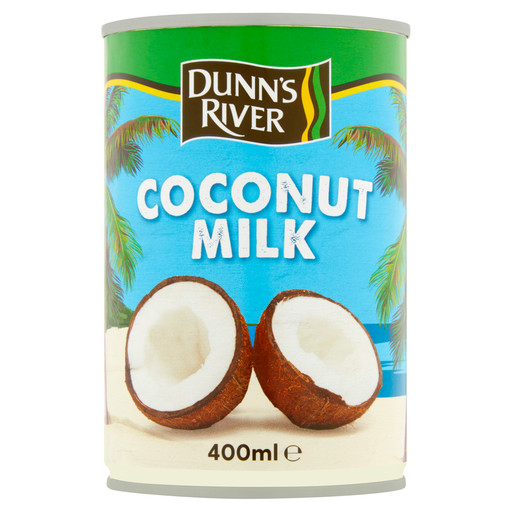 No image available
Consider this coconut milk for a cooking recipe rather than assuming it is a regular drinking carton. Check the pack's carbohydrate figure and measure the amount added to the dish.
 No image available
The barista variant is a drinking-carton choice for coffee, not the same product as Alpro Coconut No Sugars. Check its own carbohydrate declaration against your usual pour and read the current pack if soya avoidance matters.
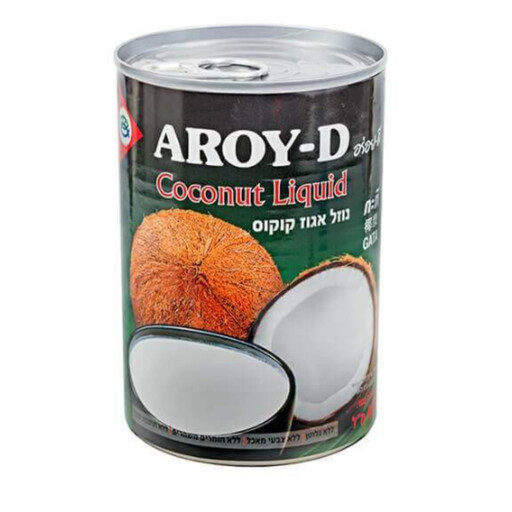 No image available
This cooking coconut milk has 17% fat stated in its name. Check carbohydrate on the pack and the amount your recipe uses; a per-100-g declaration is not directly interchangeable with a drink's per-100-ml figure. Check current allergen information if milk or soya matters.
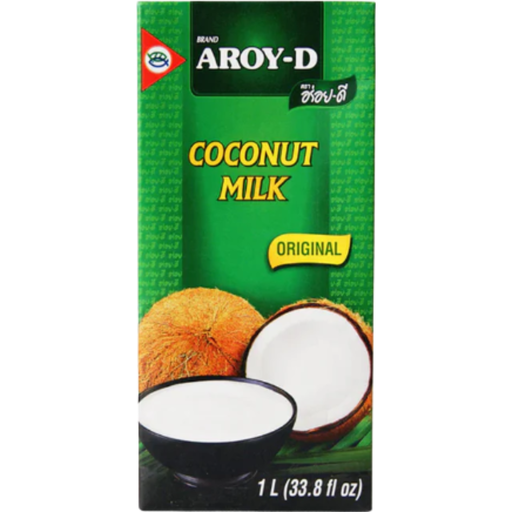 No image available
This 1L carton is an option for recipes using cooking coconut milk, rather than a no-sugars drinking carton. Check its carbohydrate declaration on the stated nutrition basis and account for the quantity used.
No. Alpro UK lists 0.0 g carbohydrate per 100 ml for Coconut No Sugars and Koko Dairy Free lists 0.4 g for Unsweetened No Sugar Milk; Tesco lists 2.5 g for Long Life Coconut Original and Sainsbury's lists 5.3 g for Plenish Organic Coconut Drink. Compare the exact carton and your actual pour.
No. Sainsbury's describes Plenish Organic Coconut Drink as a no-added-sugar coconut-and-rice drink, yet its nutrition panel lists 5.3 g carbohydrate per 100 ml. Read the total carbohydrate line rather than using that wording as a substitute.
Check the exact carton's nutrient declarations as well as its carbohydrate value. The UK Scientific Advisory Committee on Nutrition and Committee on Toxicity report that plant-based drinks vary considerably in nutrient composition, so compare declared calcium and vitamins rather than assuming every coconut drink supplies the same nutrients.
Not necessarily. Marks & Spencer says its Creamy Coconut Drink is vegan but not suitable for people with a milk allergy. Read the current pack's ingredients and allergen statements; the Food Standards Agency says allergens present in prepacked food must be emphasised in the ingredients list.
Use your individual prescription rather than a general coconut-drink comparison to set an allowance. NHS Specialist Pharmacy Service says patients on a medical ketogenic diet receive an individualised prescription from a specialist team and need to weigh food and drink.