People choosing nuts for a keto-style snack
Check the exact pack’s carbohydrate declaration, ingredients and salt rather than assuming that all plain and seasoned nuts have the same label values.


For a keto-oriented nut value pack, compare the exact product’s carbohydrate per 100g, ingredients and salt before choosing a pack size you can use and store as directed. Plain almonds suit shoppers wanting a single-ingredient option; salted peanuts suit those who want a seasoned snack and have checked its salt and allergen information. A larger pack is useful only if its contents and storage instructions fit your household.
The useful pack size and type depend on how you will use the nuts and who will eat them.
Check the exact pack’s carbohydrate declaration, ingredients and salt rather than assuming that all plain and seasoned nuts have the same label values.
A larger pack may suit frequent cooking or baking if you can follow its instructions for storage after opening and use the quantity you buy.
Read the ingredients and precautionary allergen statement on each pack. The Food Standards Agency distinguishes peanuts from tree nuts such as almonds; tolerating one does not establish that another product is suitable.
Start with the exact product label, then choose a quantity that fits how often you will use it.
| Priority | What to check | Your needs |
|---|---|---|
| Carbohydrate | Compare carbohydrate per 100g on the exact packs. Check the amount you intend to serve rather than treating the pack size as a portion. | I want to know how a serving fits my carbohydrate plan. The British Dietetic Association describes ketogenic diets as very-low-carbohydrate patterns, commonly 20–50g a day; a nut category alone does not establish whether a particular serving fits. |
| Pack size and storage | Check the pack weight and storage directions, particularly those for after opening. Consider how often you will use the nuts. | For regular cooking, I may use a larger pack. For occasional snacking, I need a quantity I can use while following its storage instructions. |
| Ingredients and salt | Read the ingredients for oil, salt or coatings. Compare labelled salt per 100g on the same basis. | If I want plain nuts, a seasoned peanut pack is a different choice: ASDA Groceries lists almonds as the sole ingredient and less than 0.01g salt per 100g for ASDA Almonds 180g, while Ocado lists sunflower oil and salt and 1.2g salt per 100g for KP Original Salted Peanuts 250g. |
| Allergens | Check the exact pack’s ingredients, declared allergens and any “may contain” statement. Recheck when buying a different product or pack. | Everyone who may eat the nuts needs a suitable product. The Food Standards Agency explains that “may contain” labelling communicates the possibility of unintended allergen presence. |
A larger quantity can be harder to use within the product’s storage guidance, especially if nuts are only an occasional snack.
Choose a pack weight that matches your usage. For example, Sainsbury’s advises storing Fudco Whole Almonds in an airtight container in a cool, dry place away from direct sunlight after opening.
Carbohydrate and salt answer different label questions. Ocado lists 5.6g carbohydrate and 1.2g salt per 100g for KP Original Salted Peanuts 250g; ASDA Groceries lists 5.3g carbohydrate and less than 0.01g salt per 100g for ASDA Almonds 180g.
Compare both values per 100g and read the ingredients before deciding between plain and seasoned nuts.
The Food Standards Agency identifies peanuts separately from tree nuts and explains that precautionary allergen statements can signal possible cross-contact.
Check the ingredients and allergen wording on the exact pack; do not use a general “nuts” label as an allergy-safety decision.
The British Dietetic Association says some people with type 2 diabetes taking insulin or sulfonylureas may need medication changes when reducing carbohydrate, and that ketogenic diets should not be followed during pregnancy.
Seek advice from the relevant clinician or dietitian before making dietary changes for diabetes management or another medical purpose.
These examples illustrate different pack formats and labels; a retailer’s range does not establish the suitability of every product it sells.
Tesco lists several almond pack sizes, including its own 250g almonds and Natco 750g almonds.
ASDA Almonds 180g list almonds as their ingredient, with 5.3g carbohydrate and less than 0.01g salt per 100g.
KP Original Salted Peanuts are a seasoned peanut snack, not a plain tree-nut product.
Sainsbury’s lists Fudco Whole Almonds 500g and its own ground almonds 500g for different cooking uses.
M&S lists larger natural-nut formats, including 750g almonds and a 750g nut medley.
These options include plain almonds, mixed nuts and peanut packs for cooking or snacking. Compare each exact pack’s label and preparation or storage directions for your intended use.
 No image available
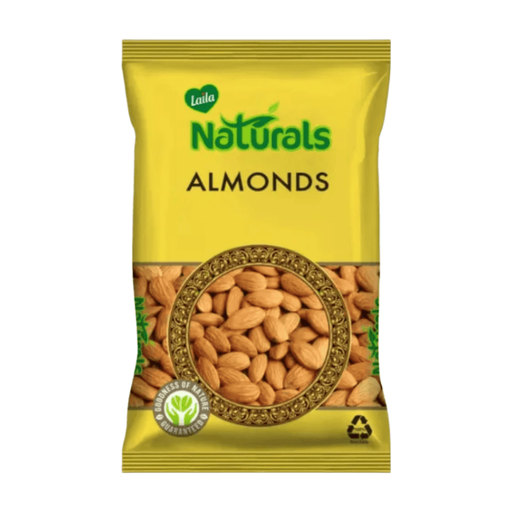
A 500g almond pack to consider if you use almonds regularly for snacks or cooking. Check the exact label for carbohydrate, storage directions and its warning about other nuts.
 No image available
A larger salted-peanut pack for shoppers who want a seasoned snack. Joybuy’s listing identifies peanuts, sunflower oil and salt as ingredients; check the exact pack’s nutrition and allergen information rather than applying figures from a different pack size.
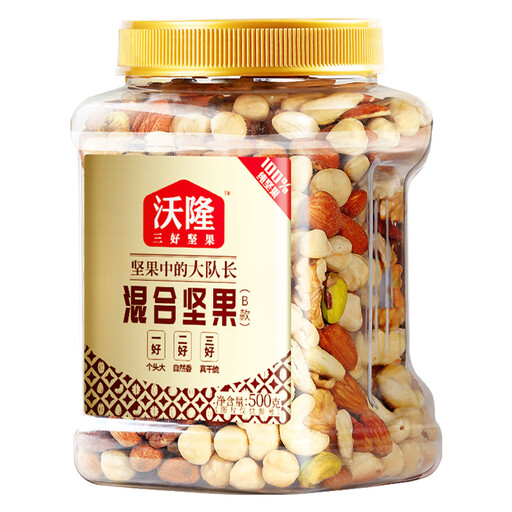 No image available
A 500g assorted-nut tin for shoppers who want a mixture rather than a single type of nut. Check the exact mix, carbohydrate declaration and allergen information before using it in a keto-style plan.
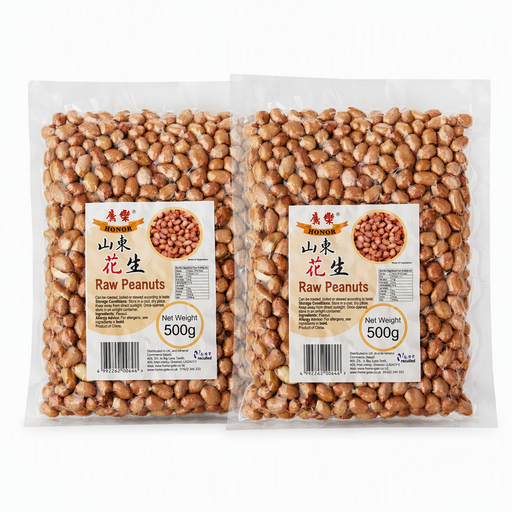 No image available
Two 500g packs of raw peanuts for shoppers planning to use peanuts in cooking. Follow the pack’s preparation instructions before eating and check its carbohydrate and allergen declarations.
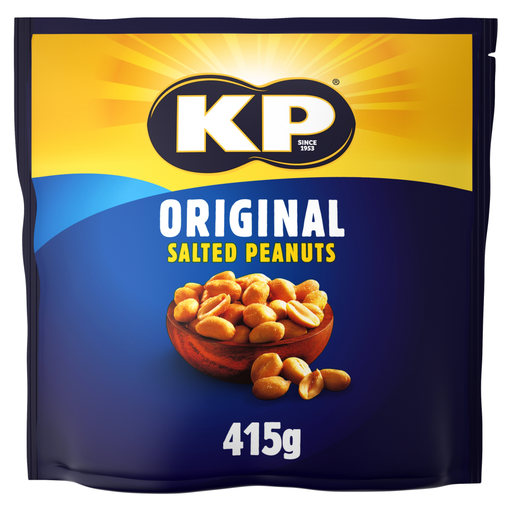
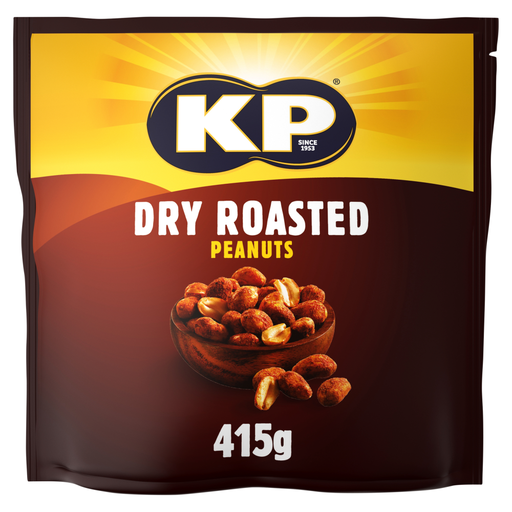 No image available
A 415g seasoned-peanut pack. Check the exact ingredients, including its seasoning, alongside carbohydrate and allergen declarations if you are choosing between plain and flavoured nuts.
No. The British Dietetic Association describes ketogenic diets as very-low-carbohydrate patterns, commonly 20–50g carbohydrate a day. Check the exact nut product’s carbohydrate declaration and the amount you intend to eat rather than relying on the category name.
Choose according to the ingredients and label values that matter to you. ASDA Groceries lists almonds as the sole ingredient of ASDA Almonds 180g, with 5.3g carbohydrate and less than 0.01g salt per 100g. Ocado lists KP Original Salted Peanuts 250g at 5.6g carbohydrate and 1.2g salt per 100g, with sunflower oil and salt among the ingredients.
A larger pack makes sense when you will use its quantity and can follow its storage instructions after opening. Check whether you need whole nuts for snacking or cooking, or a different format such as ground almonds for a recipe.
Yes. The Food Standards Agency explains that precautionary allergen labelling signals that an allergen could be unintentionally present. Read the exact pack’s ingredients and “may contain” statement, and follow the individual’s clinical allergy advice; peanuts and tree nuts are distinct allergen categories.
People using keto for a medical purpose should discuss the change with the relevant clinician or dietitian. The British Dietetic Association says some people with type 2 diabetes taking insulin or sulfonylureas may need medication changes when reducing carbohydrate, and states that ketogenic diets should not be followed during pregnancy.