If you want an oat drink while following a ketogenic eating pattern, compare total carbohydrate for the amount you will pour before considering fat or ‘no sugars’ claims. Oatly’s Fibre Low-Cal Edition lists 1.8 g carbohydrate per 100 ml, or 4.5 g for 250 ml; whether that serving fits depends on the rest of your daily intake, and its lower fat figure does not establish keto suitability.
Who needs to check the label?
People following a strict keto plan
If you use oat drink in coffee, tea, shakes or cooking, the carbohydrate in each pour needs to fit alongside everything else you consume that day. Neither a low-fat description nor a ‘no sugars’ name gives you that total.
Buyers comparing lower-fat oat drinks
Fat and carbohydrate are separate figures on the nutrition panel. If you are also considering keto, check carbohydrate for your serving rather than using the fat figure as a shortcut.
Home-coffee drinkers
A barista oat drink may be chosen for coffee use, but its name says nothing about the carbohydrate in a measured pour. Check the serving you actually use, particularly for a larger milk-based coffee.
What should you check first?
The British Dietetic Association describes a very-low-carbohydrate ketogenic pattern as 20–50 g carbohydrate per day, so start with the drink’s total carbohydrate and your intended serving before comparing other label details.
| Priority | What to check | Your needs |
|---|
| Carbohydrate per pour |
Read total carbohydrate per 100 ml and calculate it for your measured serving. Oatly lists 1.8 g per 100 ml for Fibre Low-Cal Edition, equivalent to 4.5 g for 250 ml. |
I want to know how much of my daily carbohydrate allowance a coffee, shake or recipe will use. |
| Fat |
Read fat separately from carbohydrate. Oatly lists 0.8 g fat per 100 ml for Fibre Low-Cal Edition; that figure alone cannot tell you whether a serving fits a keto plan. |
I may prefer a lower-fat drink, but I do not want to mistake that preference for a carbohydrate check. |
| Sugars wording |
Look beyond ‘no sugars’ and read the separate total-carbohydrate line. Oatly’s No Sugars product information notes that oat drink contains carbohydrates. |
A no-sugars name appeals to me, but I still need the carbohydrate figure for the amount I pour. |
| Coffee use |
Check the barista drink’s carbohydrate figure and the amount used in your coffee. Minor Figures lists 13.2 g carbohydrate per 200 ml serving for Barista Oat. |
I care about how an oat drink works in coffee and need to account for the serving, not just the splash I might use in tea. |
| Allergens |
Read the specific carton’s oat, wheat and gluten suitability statements. The Food Standards Agency identifies oats as an allergen in their own right; M&S says its Only 3 Ingredients Oat Drink is not suitable for coeliacs or people with a wheat allergy. |
If I have a relevant diagnosed condition, I need a product whose own labelling addresses it. |
Common buying mistakes
-
Choosing by fat rather than carbohydrate
A lower fat figure does not tell you how much carbohydrate a serving contributes to a keto plan.
Calculate carbohydrate for your usual pour first, then consider whether the fat figure suits your other preferences.
-
Reading ‘no sugars’ as ‘no carbohydrate’
Oatly’s No Sugars information notes that oat drink still contains carbohydrates. The sugars and total-carbohydrate lines answer different questions.
Use the current carton’s total-carbohydrate figure when accounting for your serving.
-
Overlooking the size of the pour
Oatly lists 1.8 g carbohydrate per 100 ml for Fibre Low-Cal Edition, while Tesco lists 8.7 g per 100 ml for its Oat Drink. A larger serving increases the contribution from either product.
Measure the amount used in coffee, cereal or a recipe and calculate it from that product’s label.
-
Assuming plant-based means suitable for every allergy
Oats are an allergen in their own right, according to the Food Standards Agency. Suitability statements can also differ between oat drinks.
Read the individual carton’s allergen wording; M&S says its Only 3 Ingredients Oat Drink is not suitable for coeliacs or people with a wheat allergy.
Relevant oat-drink brands
Oatly
Its UK range includes Fibre Low-Cal Edition and No Sugars oat drinks, which call for separate carbohydrate checks.
- Oatly lists 1.8 g carbohydrate, 0.8 g fat and 2.0 g fibre per 100 ml for Fibre Low-Cal Edition.
- A 250 ml serving of that drink contributes 4.5 g carbohydrate; the No Sugars name does not establish the carbohydrate figure of that separate variant.
Alpro
Tesco’s UK oat-drink listings identify Alpro Oat Original and Alpro Oat No Sugar as distinct variants.
- The named variants give buyers different oat-drink options to compare.
- Check the carbohydrate line on the particular carton; a variant name alone cannot establish its keto fit.
Minor Figures
Barista Oat is positioned by Minor Figures for coffee use.
- Minor Figures lists 13.2 g carbohydrate and 4.3 g fat per 200 ml serving for Barista Oat.
- Coffee-focused positioning does not reduce the need to count carbohydrate for the amount used.
Tesco
Tesco’s own-label Oat Drink is a standard oat-drink option.
- Tesco lists 8.7 g carbohydrate per 100 ml, giving a figure for portion calculations.
- Check the amount you use rather than assuming a standard oat drink fits a strict daily carbohydrate allowance.
M&S
Only 3 Ingredients Oat Drink is an option for buyers comparing short ingredient lists.
- M&S lists 5.7 g carbohydrate and 0.5 g fat per 100 g for this drink.
- M&S states that this particular drink is not suitable for coeliacs or people with a wheat allergy.
Oat drinks on Joybuy
These oat-drink options include Original, No Sugars and barista variants. Compare the carbohydrate on each carton for your intended pour; the selection does not establish that any variant fits a ketogenic plan.
 No image available
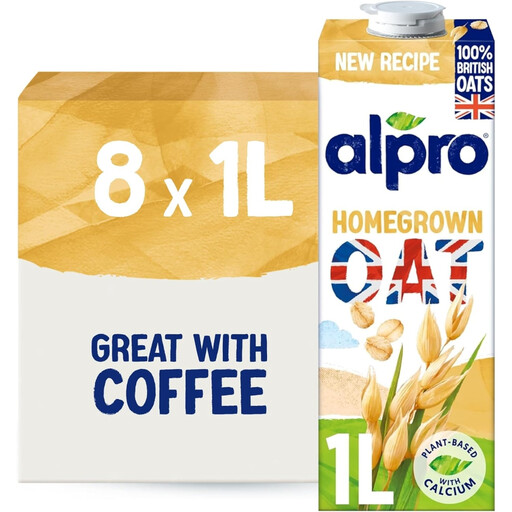
Alpro Oat Original Long Life Drink, 8 × 1L
An Original oat-drink option for uses such as cereal or hot drinks. For keto-oriented use, measure the portion and check its total carbohydrate rather than judging it by fat or sugars wording.
View on Joybuy
 No image available
Alpro Oat No Sugars Long Life Drink, 8 × 1L
The No Sugars variant is relevant if you are comparing sugar wording, but its name does not give the total carbohydrate in a serving. Read both lines on the current carton and calculate the amount you will use.
View on Joybuy
 No image available
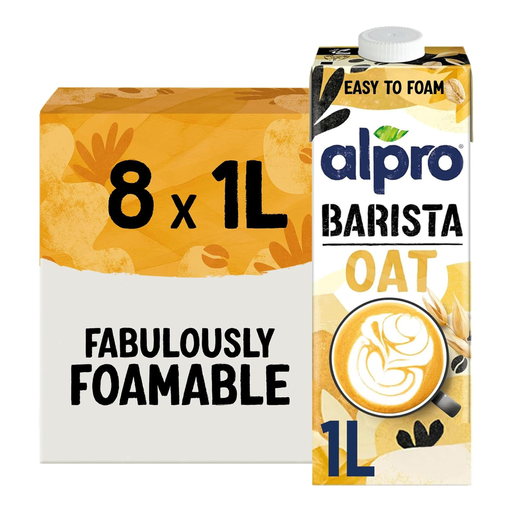
Alpro Barista Oat Long Life Drink, 8 × 1L
This barista variant is intended for coffee use. If a larger coffee pour is part of your routine, check its total carbohydrate for that measured amount; barista positioning does not establish keto suitability.
View on Joybuy
 No image available
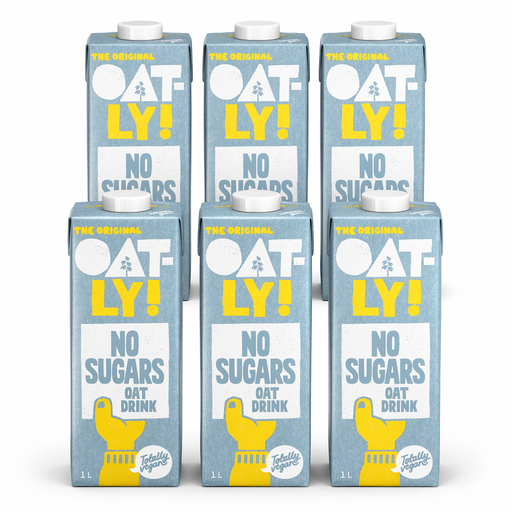
Oatly No Sugars Oat Drink, 6 × 1L
This is Oatly’s No Sugars variant, not Fibre Low-Cal Edition. Oatly notes that oat drink can contain carbohydrates, so use this variant’s own carton to calculate the carbohydrate in your pour.
View on Joybuy
 No image available
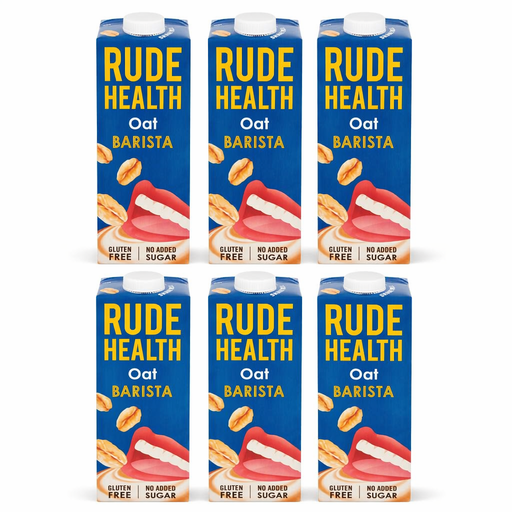
Rude Health Barista Oat, 1L
A barista oat drink to consider if you want an option for coffee. Check the carton’s carbohydrate and fat figures separately, then calculate carbohydrate for your usual pour.
View on Joybuy
Frequently asked questions
Does low-fat oat milk automatically suit a keto diet?
No. A lower fat figure does not tell you whether the carbohydrate in your serving fits a ketogenic eating pattern. Oatly lists 1.8 g carbohydrate per 100 ml for Fibre Low-Cal Edition, which becomes 4.5 g for a 250 ml serving.
Does ‘no sugars’ mean an oat drink has no carbohydrate?
No. Oatly’s UK No Sugars information notes that oat drink contains carbohydrates. Check the separate total-carbohydrate line on the particular carton and calculate it for your pour.
How much oat drink can fit into a keto plan?
Calculate the carbohydrate in your measured serving and consider it alongside the rest of your day’s food and drink. The British Dietetic Association describes a very-low-carbohydrate ketogenic pattern as 20–50 g carbohydrate per day; that range does not set a universal allowance for oat drink.
Can someone with coeliac disease or a wheat allergy use any oat drink?
No: suitability depends on the individual product’s labelling and the condition involved. The Food Standards Agency identifies oats as an allergen in their own right, and M&S states that its Only 3 Ingredients Oat Drink is not suitable for coeliacs or people with a wheat allergy.
Should I seek advice before starting a low-carbohydrate diet if I have a medical condition?
Yes. The British Dietetic Association advises people with a medical condition to seek advice from a dietitian before following a low-carbohydrate diet. A drink’s nutrition label cannot establish whether the eating pattern is appropriate for your circumstances.


