Shoppers with a defined carbohydrate allowance
If each snack needs to fit a personal carbohydrate plan, start with the amount stated for one whole bar. A protein claim on its own cannot answer that question.


A keto-labelled protein bar is worth considering when its stated carbohydrate or net-carbohydrate amount per bar fits your own plan; a high-protein claim alone does not establish that fit. Conventional protein cereal bars can suit shoppers who prioritise a portable protein snack without a strict carbohydrate target, but compare the exact flavour’s current nutrition panel, ingredients and allergen information before buying.
If each snack needs to fit a personal carbohydrate plan, start with the amount stated for one whole bar. A protein claim on its own cannot answer that question.
If strict keto fit is not the priority, compare protein and carbohydrate per bar across conventional cereal bars and flapjacks, rather than choosing by the front-of-pack description alone.
Check vegan and other dietary labels alongside the carbohydrate panel. A plant-based protein bar still needs to meet your own carbohydrate requirements, and its allergen declaration needs a separate check.
Decide whether carbohydrate fit or a general protein snack is the main requirement, then compare figures for a whole bar of the exact flavour you intend to buy.
Consider when: You need a stated per-bar net-carbohydrate figure to compare with your own plan; Ocado lists 3.4 g for a 45 g ADONiS Double Choc Crisp bar and 4 g for a 45 g Peanut Caramel bar.
Check: Net and total carbohydrate are different label measures. Read the maker’s calculation, ingredients, allergen declaration and any polyol warning.
Consider when: A portable protein snack matters more to you than choosing a keto-labelled product.
Check: Protein does not establish carbohydrate fit: Nature Valley UK lists 10.2 g protein alongside 11.0 g carbohydrate per 40 g Peanut & Chocolate bar.
| Priority | What to check | Your needs |
|---|---|---|
| Carbohydrate | Compare the figure for one bar, not just per 100 g. If a label states net carbohydrate, check how the maker calculates it before comparing it with a total-carbohydrate figure. | I need to know how one bar fits my daily carbohydrate plan, even if its packaging emphasises protein. |
| Protein | Read protein per bar alongside carbohydrate for the same serving. For example, Nature Valley UK lists 10.2 g protein and 11.0 g carbohydrate per 40 g Peanut & Chocolate bar. | I’m looking for a portable protein snack, but I do not want the protein figure to stand in for a carbohydrate check. |
| Ingredients | Check the exact flavour’s ingredient and allergen declarations, including any ‘may contain’ statement. Check vegan or other dietary attributes separately from keto wording. | My ingredient or allergen requirements may rule out a bar regardless of its nutrition figures. |
| Sweeteners and pack | Read any polyol warning and the current pack’s serving size and nutrition panel. Check the exact flavour, as formulations can change. | I want to understand the sweeteners in the bar and compare the portion I would actually eat. |
Nature Valley UK lists 10.2 g protein but also 11.0 g carbohydrate per 40 g Peanut & Chocolate bar. The protein figure cannot establish whether it fits a particular carbohydrate plan.
Compare carbohydrate for the exact bar and flavour before using protein to choose between options.
ADONiS listings state net-carbohydrate amounts for their keto-labelled bars. A net figure and a total-carbohydrate figure answer different label questions.
Read the maker’s explanation of its net figure and keep the measurement basis clear when comparing bars.
A carbohydrate figure does not address allergens or whether a polyol-containing bar is comfortable for you to eat.
Check the current ingredient and allergen declarations and follow any excessive-consumption warning on the pack.
Nutrition and ingredients can differ by flavour or change with a reformulation. Nature Valley UK advises shoppers to check the pack.
Confirm the serving size and current label for the flavour you are buying.
These examples describe particular bars and listings, not every product made by each brand.
Ocado lists keto-labelled ADONiS protein bars with per-bar net-carbohydrate figures.
The Pulsin Keto Bar listing on Myprotein UK describes a vegan, dairy-free and gluten-free plant-based option.
Protein Peanut & Chocolate is a conventional protein cereal bar to compare against keto-labelled options.
The Biscoff Protein Flapjack is an oat-based, plant-protein option rather than a confirmed keto choice.
These are conventional protein-bar and nut-bar options for shoppers comparing a portable protein snack with their own carbohydrate requirements. Their inclusion does not establish keto suitability; use the current pack’s per-bar nutrition and ingredient information to decide.
 Image unavailable
A conventional protein-bar option in a four-bar pack. If carbohydrate fit matters, compare the current per-bar panel with your plan and check the milk, soya and wheat allergen declaration and polyol warning.
 Image unavailable
This Double Chocolate variant comes as twelve 50 g bars. Check carbohydrate for one bar against your own allowance, along with the current milk and soya allergen declaration and any polyol warning.
 Image unavailable
The Golden Caramel pack contains twelve 50 g bars. A low-sugar description does not replace a per-bar carbohydrate check; also read the current milk and soya allergen information and polyol warning.
 Image unavailable
This Peanut Butter variant comes as twelve 50 g bars. Compare its current carbohydrate figure per bar with your plan, and check the peanut, milk and soya allergen declaration and polyol warning.
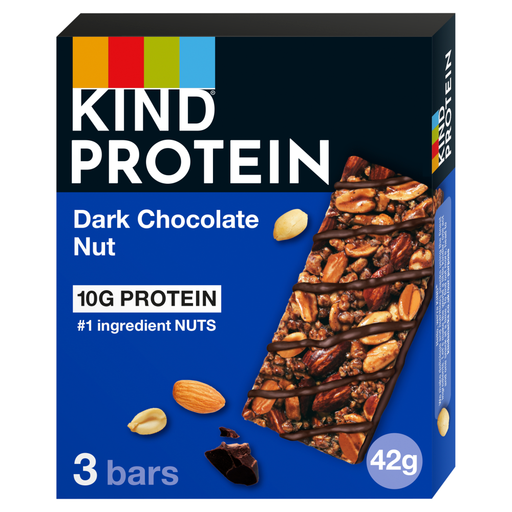 Image unavailable
These nut bars come in a pack of three 42 g bars. Check the current per-bar carbohydrate panel before considering them for a keto-oriented plan, and read the peanut, almond and soya allergen declaration.
No. Nature Valley UK lists 10.2 g protein and 11.0 g carbohydrate per 40 g Protein Peanut & Chocolate bar. Compare carbohydrate for the exact bar with your own plan rather than relying on its protein description.
Start with serving size and carbohydrate per whole bar, then check any stated net-carbohydrate calculation and the protein figure. Read the ingredients, allergen declaration and any polyol warning as separate checks.
Do not assume that protein content establishes keto fit. Tesco describes the TREK Biscoff Protein Flapjack as oat-based and states 9 g plant-based protein; compare the current pack’s carbohydrate figure with your own allowance before choosing it.
Yes, allergen information depends on the exact product and flavour, not whether it is keto-labelled. Check the current ingredients, declared allergens and any ‘may contain’ statement before buying, particularly when comparing nut, peanut, milk and soya-containing bars.