What to check before choosing
For consumers choosing tinned or frozen salmon for keto-friendly meals, start with the label detail that matters most to your meal: carbohydrate and ingredients, immediate use, or a cooked portion.
| Concern |
What to check |
Who this matters to |
| Carbohydrate and ingredients |
Read carbohydrate per 100g and for your portion, the ingredients, and whether nutrition is stated as sold, drained or cooked. |
If I count carbohydrate closely, I need to know what is in the exact tin or pack before deciding whether it fits my plan. About 42% of consumers put carbohydrate and ingredient certainty first. |
| Immediate use and storage |
Check unopened and after-opening storage directions for tins; for frozen products, check freezer storage and preparation instructions. |
When I need a meal I can assemble without cooking, cupboard storage and immediate use matter more than a cooked fillet. For about 33% of consumers, that convenience is the primary concern. |
| Fillet format and preparation |
Check portion format, bones or skin, and whether cooking from frozen is permitted or defrosting is required. |
If I am planning a hot salmon meal, I want portions that suit it and preparation instructions I can follow. A cooked-fillet format is the main priority for about 25% of consumers. |
Tinned and frozen salmon on Joybuy
These selections cover plain tinned pink salmon for cupboard meals, frozen salmon presented for sashimi use, and frozen sockeye steaks for a cooked meal. Check each pack’s intended use and preparation instructions rather than treating the frozen options as interchangeable.
 No image available
Morrisons Pink Salmon 213g, 4 packs
This four-pack suits cupboard-meal planning when you want tinned salmon ready to use without cooking. The product description lists 99% pink salmon and salt, nil carbohydrate and 0.80g salt per 100g, with two portions per can. It contains fish; check the nutrition panel’s basis before comparing its per-100g figures with drained or cooked salmon.
View on Joybuy
 No image available
Morrisons Pink Salmon 213g
This single tin suits a cupboard meal when you do not need the four-pack. Its description lists 99% pink salmon and salt, nil carbohydrate and 0.80g salt per 100g, with two portions per can. It contains fish; confirm the nutrition panel’s basis before comparing its figures with another format.
View on Joybuy
 No image available
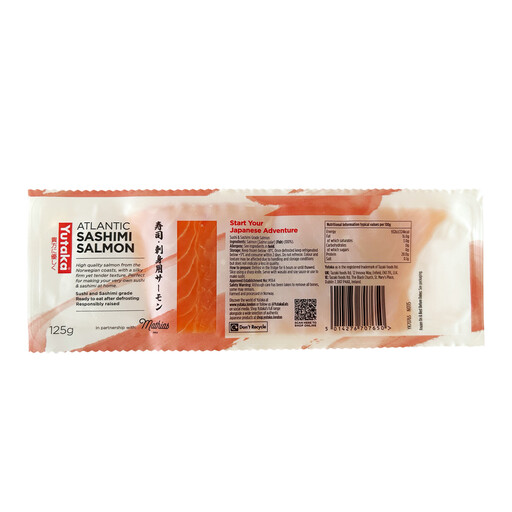
Yutaka Atlantic Sashimi Salmon 125g
This freezer-stored salmon is presented for sashimi use, not as a cook-from-frozen fillet. Its description lists salmon as the only ingredient and 0g carbohydrate per 100g. Follow the pack’s handling and thawing instructions for your intended use: the description warns that bones may remain, says not to refreeze after thawing and specifies use within two days once defrosted.
View on Joybuy
 No image available
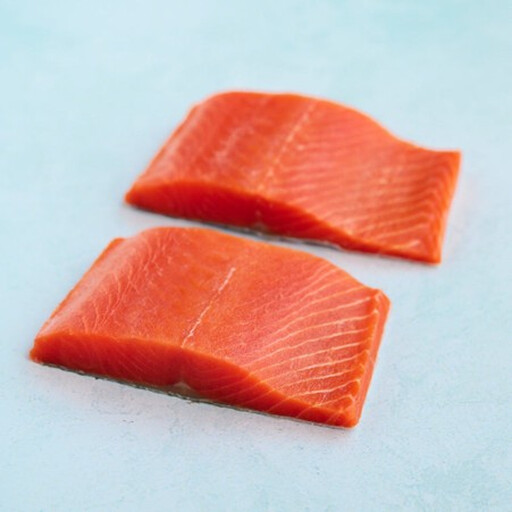
The Fish Society Wild Sockeye Salmon Fillet Steaks 220g
These freezer-stored steaks suit a planned cooked salmon meal. The description specifies two skin-on steaks totalling 220g, lists salmon as the ingredient and calls for thawing before cooking. Check the pack’s carbohydrate value if you need to account for it in a keto meal plan.
View on Joybuy
Frequently asked questions
Is tinned or frozen salmon automatically keto-friendly?
Neither format settles the question on its own. John West and Princes list 0g or 0.0g carbohydrate per 100g for the plain tins described here, while the frozen examples from Tesco and Sainsbury’s have different values and measurement bases. Check the exact product’s carbohydrate figure, portion and ingredients, especially if it is prepared or flavoured.
Can I cook frozen salmon straight from the freezer?
Only follow a cook-from-frozen route when the exact pack gives those instructions. Tesco Wild Salmon Fillets and Sainsbury’s frozen portions have oven-from-frozen directions; Tesco’s chilled boneless fillets instead specify at least 10 hours of refrigerator defrosting and say they are not suitable for cooking from frozen.
What should I do with leftover tinned salmon?
For John West Wild Pacific Red Salmon MSC 213g, the product instructions say to transfer unused contents to a covered non-metallic container, refrigerate and use within two days. Follow the storage directions on your own tin, which may differ.
Which allergens should I check on salmon products?
Check for fish and any additional ingredients in the exact product. GOV.UK guidance identifies fish as an allergen for which UK food businesses must provide information; the Marks & Spencer butter-topped salmon described here also contains milk.
Is general keto shopping advice enough for a medically prescribed ketogenic diet?
No. NHS Specialist Pharmacy Service describes medical ketogenic diets as individually prescribed by a specialist team. Use the exact product and serving information within that team’s plan rather than assuming a general keto description establishes suitability.


