What matters when buying?
Compare the exact tin’s nutrition panel and ingredients first, then decide whether its packing medium, salt and portion format fit the meal.
| Concern |
What to check |
Who this matters to |
| Carbohydrate and sugars |
Compare both values per 100g on the same preparation basis, then read the ingredients of any sauce or flavouring. |
If I want a predictable plain base for meals I season myself, carbohydrate matters more than a “reduced sugar” phrase. About 42% of consumers put clearly declared carbohydrate and sugars first. |
| Packing medium |
Compare fat and energy per 100g, noting whether the figures refer to drained tuna. |
When I plan to use the packing oil in my meal, I need to know what the tin contributes. For about 25% of consumers, that fat-and-energy fit is the primary concern. |
| Salt and pack cautions |
Read salt per 100g, fish allergen information and any bone warning. If pregnant, follow NHS advice on tuna consumption. |
If tuna is a regular choice, or an allergen or bone warning affects my household, the pack details deserve attention. They are the main concern for about 17% of consumers. |
| Portions and storage |
Compare can size with drained weight, and follow the exact pack’s instructions after opening. |
If I use one tin across meals, the usable quantity and handling of leftovers shape my choice. About 16% of consumers put that practical fit first. |
Plain tuna selections on Joybuy
These tins cover plain tuna in spring water or brine, plus an olive-oil option. Use the exact pack label to compare carbohydrate, sugars and any other values important to your meal.
 No image available
Morrisons Fad Free Tuna Chunks in Spring Water, 6 × 145g
A six-can spring-water option for making separate meals from plain tuna. Check the pack’s carbohydrate, sugars and salt figures before comparing it with other tins.
View on Joybuy
 No image available
Princes Tuna Chunks in Brine, 4 × 145g
A four-can choice if you want plain tuna in brine rather than oil. Compare the pack’s salt and per-100g nutrition figures with other brine tins.
View on Joybuy
 No image available
John West Tuna Chunks in Springwater, 4 × 125g
Consider this four-can spring-water pack when you plan to add your own ingredients. Read its current carbohydrate, sugars and salt declarations alongside the portion information.
View on Joybuy
 No image available
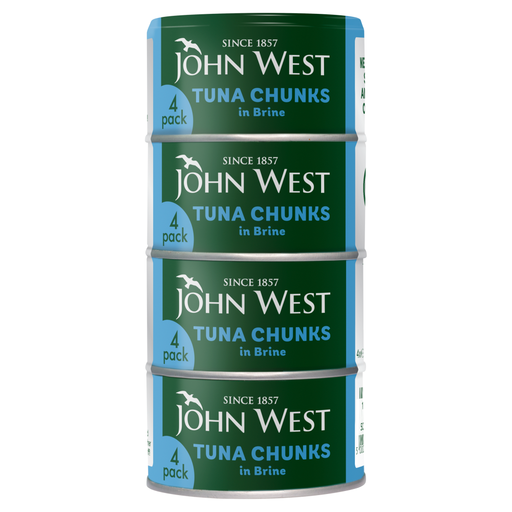
John West Tuna Chunks in Brine, 4 × 125g
A four-can brine format for plain-tuna meals. The Joybuy product listing gives 0g carbohydrate and 0g sugars; check the pack’s per-100g basis and its salt and bone warnings before making a like-for-like comparison.
View on Joybuy
 No image available
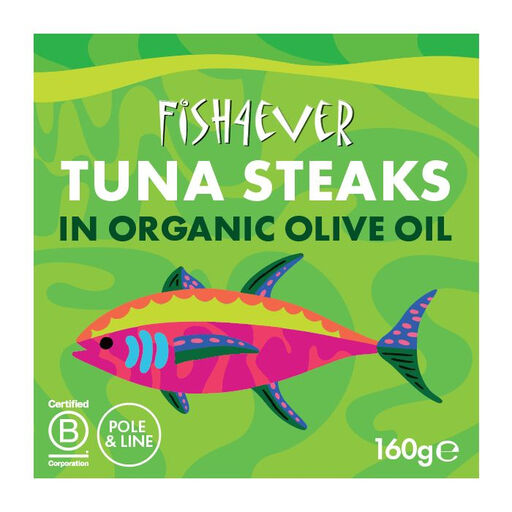
Fish4ever Tuna Steaks in Organic Olive Oil, 160g
Consider this olive-oil-packed steak if you want the oil as part of the meal. Check the pack’s carbohydrate, fat and energy figures and whether its per-100g values refer to drained tuna before comparing it with spring-water tins.
View on Joybuy
Questions about tinned tuna
Is “reduced sugar” a useful way to choose tinned tuna for keto?
Check carbohydrate and sugars on the exact tin instead. Princes Food and Drinks, Tesco Groceries and John West UK list plain spring-water or brine examples at 0g or less than 0.1g sugars per 100g, while John West UK lists 1.8g sugars and 3.7g carbohydrate per 100g for its Mild Curry Sauce product.
Should I subtract fibre from the carbohydrate figure?
Use the carbohydrate figure declared on the UK pack and compare tins on the same stated basis, such as per 100g drained where specified. Check that figure separately from the “of which sugars” line; sugar alone does not describe all the carbohydrate in a flavoured tuna product.
Should I choose tuna in oil rather than spring water?
Choose oil when its contribution to the meal suits you, not on the assumption that oil-packed tuna has less sugar. Princes Food and Drinks lists 9.5g fat and 180kcal per 100g for its sunflower-oil tuna, while Marks & Spencer lists 12.3g fat and 209kcal for its olive-oil steak; compare each tin on its stated preparation basis.
What should I do with tuna left after opening a tin?
Follow the instructions on that pack. The Joybuy listing for Princes Tuna Chunks in Spring Water says to consume leftovers within two days after opening; check the storage directions for the tin you buy.
Does a keto diet change tuna advice during pregnancy?
No. The NHS advises people who are pregnant to eat no more than four cans of tuna or two tuna steaks a week because tuna can contain mercury. Choosing a tin for its carbohydrate content does not change that advice.


