What to check before buying
Start with the carbohydrate declaration and its serving basis, then decide whether packing oil, immediate readiness or a cooked fillet matters most for this meal.
| Concern |
What to check |
Who this matters to |
| Carbohydrate fit |
Read carbohydrate per 100g and per serving, including whether the figure is for fish as sold, drained or cooked. Account for sauces and sides separately. |
If I track carbohydrate closely, the amount on the exact pack needs to fit alongside everything else in my meal; about 36% of consumers put that label check first. |
| Readiness and format |
Check for ready-to-eat or cooking instructions, whether draining is needed, and the protein figure on the pack’s stated basis. |
For a lunch I need to assemble quickly, opening a tin matters more than preparing a fillet; roughly 29% of consumers make immediate readiness their primary concern. |
| Packing oil |
Check the ingredients, fat and energy figures, and whether the nutrition panel refers to drained fish or the whole contents. |
I may prefer to measure the fat I add myself, or use the oil already in the pack. About 21% of consumers place that choice ahead of the other factors. |
| Cooked fillet and handling |
For fresh or defrosted fish, check the use-by date and cooking instructions. For a tin, follow its directions for storing leftovers. |
If I want a cooked tuna steak, I can make time to prepare and handle it rather than choose a ready-to-eat tin; around 14% of consumers put that meal format first. |
Tuna options on Joybuy
These selections are tinned or jarred tuna in oil, brine or spring water for meals where the exact pack details matter. They are not fresh fillets; check the preparation directions and nutrition basis of each product before choosing it.
 No image available
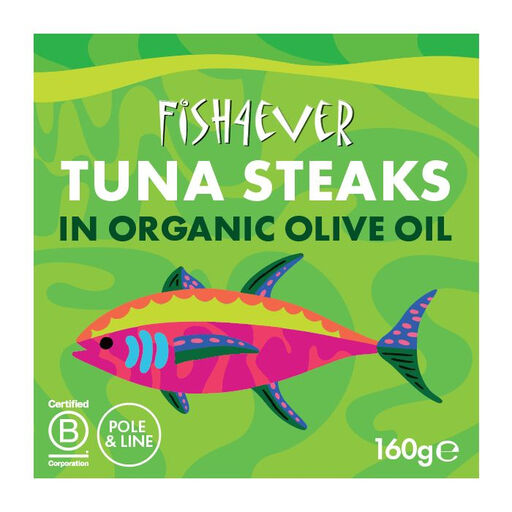
Fish4ever Tuna Steaks in Organic Olive Oil 160g
Consider this steak-format tin if you want olive oil included rather than adding it separately. The product information lists 0g carbohydrate, 5.9g fat and 30.9g protein per 100g; check the pack to establish whether those figures are for drained fish or the contents as sold, and follow its preparation instructions.
View on Joybuy
 No image available
Tropical Sun Tuna Steaks in Brine 160g
This steak-format option is for a cooked meal, not an immediately ready-to-eat lunch. Its product information lists 2g carbohydrate per 100g drained; check how your portion fits your own plan. Cook thoroughly until piping hot, and follow the stated instruction to refrigerate opened contents in a covered container and use them within 24 hours.
View on Joybuy
 No image available
John West No Drain Tuna Chunks in Springwater, 3 x 100g
Choose this no-drain, spring-water format if you prefer to add fat separately, but note that it contains chunks rather than intact steaks or fillets. The product information lists 0g carbohydrate and 27g protein per 100g. After opening, transfer unused contents to a lidded non-metallic container, refrigerate and use within two days.
View on Joybuy
 No image available
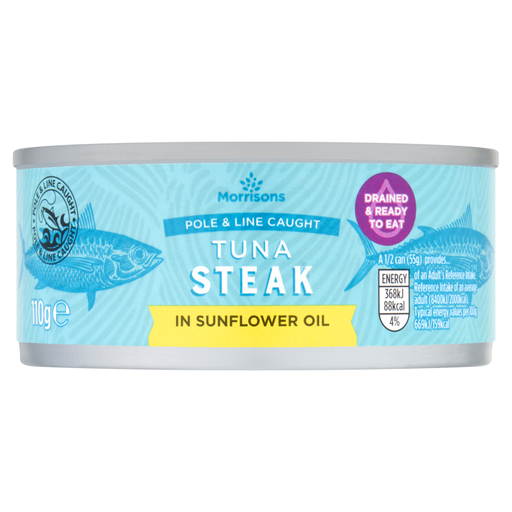
Morrisons Drained Tuna Steaks with Sunflower Oil 110g
This tuna steak contains sunflower oil for shoppers considering an oil-packed option. The product information lists nil carbohydrate, 6.4g fat and 25.4g protein per 100g, but the nutrition basis needs checking on the pack. The title says “Drained” while the description says no-drain, so check the pack’s handling and after-opening instructions rather than relying on either phrase alone.
View on Joybuy
 No image available
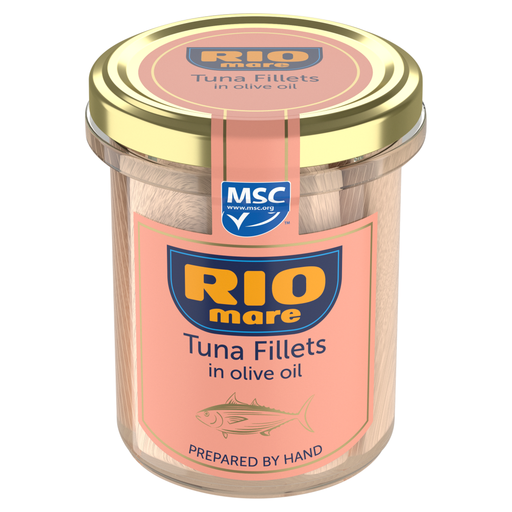
Rio Mare Tuna Fillets in Olive Oil Glass Jar 180g
Consider this jar if you want fillet-shaped tuna packed in olive oil rather than a fresh fillet to cook. The product information lists 0g carbohydrate for both whole-product and drained-product measures; use the corresponding basis when reading its other nutrition values. Check the jar for preparation and after-opening storage instructions.
View on Joybuy
Questions about tuna and keto-friendly meals
Can tinned tuna in spring water fit a keto-friendly meal?
It can if the carbohydrate value on the specific tin fits your plan and you account for the rest of the meal. Tesco lists 0g carbohydrate per 100g for its specified spring-water tuna steak, while Asda lists less than 0.5g per 100g for its specified product; check your own pack before using either figure.
Should I choose tuna in oil instead of spring water?
Choose oil-packed tuna if you want its packing oil included in the meal; choose spring water if you would rather measure added fat separately. Check the exact oil, portion and nutrition basis: Princes lists 9.5g fat per 100g drained for its tuna chunks in sunflower oil, while M&S lists 0.6g fat per 100g for its spring-water tuna steak.
What changes if I buy fresh or defrosted tuna fillets?
You are choosing a fish product to cook rather than a ready-to-eat tin. Sainsbury’s specified yellowfin steaks are sold defrosted and list less than 0.5g carbohydrate per 100g after cooking; follow the use-by, storage and cooking instructions on the pack you buy.
How much tuna does NHS guidance allow during pregnancy?
For pregnancy, the NHS says not to eat more than 4 cans or 2 tuna steaks a week because tuna can contain pollutants, including mercury. That limit matters whether a meal is described as keto-friendly or not.
Is the tuna label enough for a medically prescribed ketogenic diet?
No. Great Ormond Street Hospital describes medical ketogenic diets as individually calculated, so the tuna and the rest of the meal need to fit the allowance set by the relevant clinical team rather than a general keto label.


