Holiday-let hosts replacing a shared kettle
A kettle used by changing guests should be straightforward to operate and manageable to clean and inspect between stays. Check its pouring arrangement against the flask likely to be used in the cottage.


For a holiday cottage where one kettle must fill a flask and make everyday drinks, a conventional 1.7-litre kettle is a practical starting point. Compare the flask’s required volume with the kettle’s maximum-fill line, and check that a full kettle can be poured comfortably into the flask opening. A low minimum fill helps with later single drinks; temperature settings matter chiefly if guests will use them for temperature-specific drinks.
A kettle used by changing guests should be straightforward to operate and manageable to clean and inspect between stays. Check its pouring arrangement against the flask likely to be used in the cottage.
Compare the flask’s volume and opening with the kettle’s fill markings and spout. If you will make an individual drink later, the minimum fill matters as well as the maximum capacity.
Temperature settings or a keep-warm function may be relevant when those drinks are part of the routine, rather than when the kettle is used only to boil water for a flask.
Start with the amount the flask needs and whether you can pour it steadily. Then consider how the cottage kettle will be used for smaller drinks and, if it is supplied to guests, how it will be maintained.
| Concern | What to check | Who this matters to |
|---|---|---|
| Flask capacity and pouring | Compare the flask volume with the maximum-fill line; check spout position and handling when full. | If I fill a flask before going out, I need enough water without an awkward lift or a poorly aligned pour. Roughly 31% of consumers put manageable flask filling first. |
| Guest safety and upkeep | Look for automatic switch-off and boil-dry protection; check how the kettle, base and filter can be inspected and cleaned. | When different guests use my cottage kettle, I want simple controls and an appliance I can maintain between stays. Around 31% of consumers prioritise shared-use safety and upkeep. |
| Small boils | Check the stated minimum fill and cup markings. Which? identifies 300 ml or less as a desirable minimum for boiling a single cup. | After filling the flask, I may only want one drink and would rather not boil surplus water. About 23% of consumers make smaller boils their primary concern. |
| Drink temperatures | Check the selectable temperatures and whether the controls suit occasional users. | If I also prepare drinks that call for water below boiling point, I need usable temperature settings, not just flask capacity. Roughly 15% of consumers put temperature-specific drinks first. |
A 1.7-litre label does not tell you how comfortably a full kettle pours into your flask, or whether the amount needed sits below the maximum-fill line.
Check the flask volume, opening, kettle handle and spout together. Do not fill above the marked maximum to avoid making another pour.
A large initial boil may suit the flask, while later drinks need much less water. Which? advises looking for a low minimum fill so you can boil only what you need.
Compare minimum-fill markings as well as maximum capacity; cup markings can make smaller amounts easier to judge.
Repeatedly boiling more water than needed uses additional electricity.
Automatic switch-off and boil-dry protection do not replace attention to the condition of a kettle supplied to guests. The Health and Safety Executive advises maintaining electrical equipment to prevent danger.
Inspect the lead, plug, base and kettle body as appropriate to its use and environment, and remove an appliance from use if its condition is in doubt. Do not assume an annual portable appliance test is always required.
Selectable temperatures help when drinks require water below boiling point, but add controls to a routine that may involve only boiling flask water.
Establish whether temperature-specific drinks are a regular need before making those settings a deciding factor.
The UK Inspire 24361 is a conventional kettle to consider when flask filling is followed by individual drinks.
The MyMoment TWK1M123GB is an example for buyers considering straightforward operation and specified safety features.
The Eclettica SpecialTea KBY3011.W illustrates the temperature-controlled option for drinks as well as flask preparation.
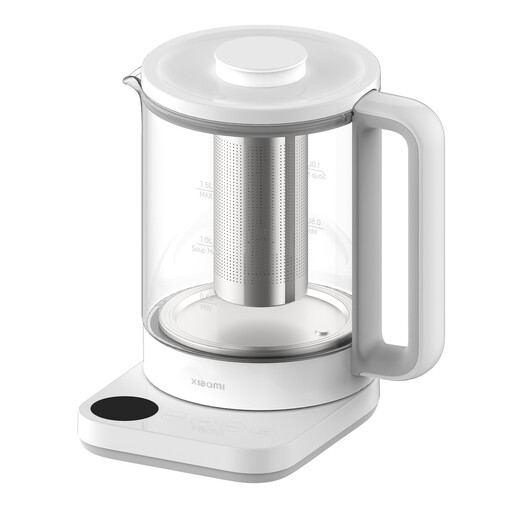
These Joybuy choices include four 1.7-litre kettles for a flask-and-drinks routine and a 1.5-litre Xiaomi model with temperature control. For any of them, check the intended flask against the kettle’s fill markings and pouring arrangement before choosing.
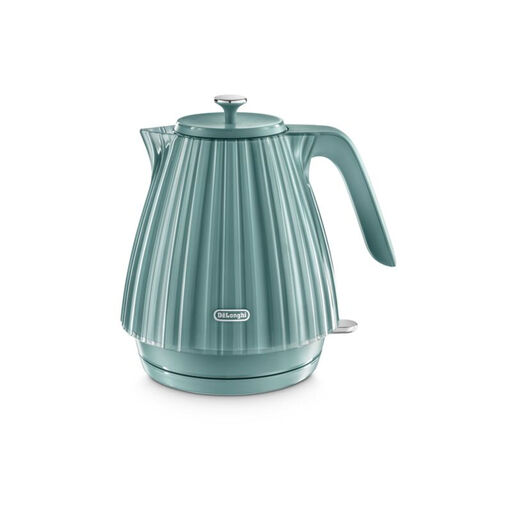 No image available
Consider this 1.7-litre kettle when the same cottage kettle will prepare flask water and everyday drinks.
Check the marked maximum against the flask volume, and assess the spout and weight when pouring a full kettle. If single drinks matter, check the minimum-fill volume too.
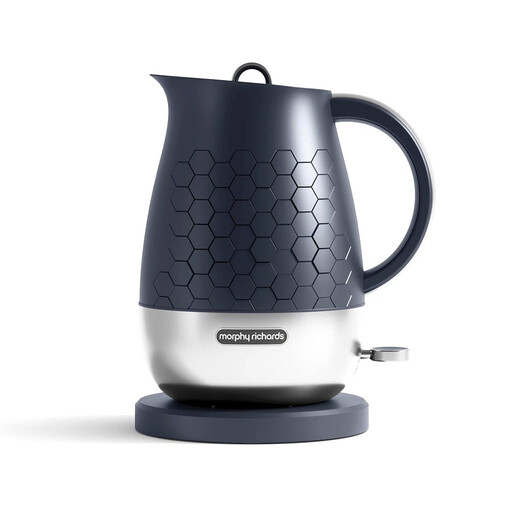 No image available
The 1.7-litre jug format is relevant if you need one kettle for a flask and several drinks.
Compare its maximum-fill marking with the flask’s required volume. Check the minimum-fill volume for smaller drinks and whether the flask opening allows a comfortable pour.
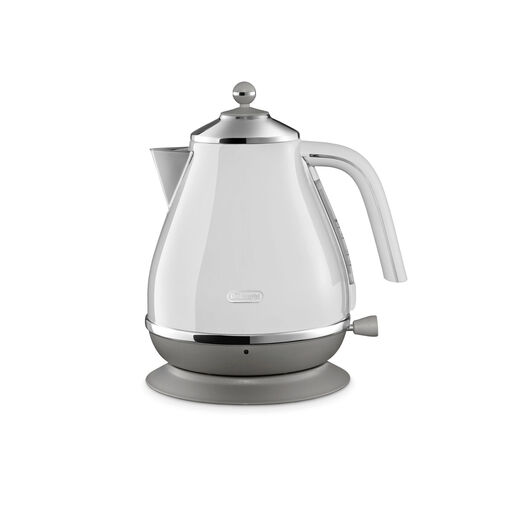 No image available
This 1.7-litre kettle is another option for preparing flask water and shared hot drinks.
Check its fill markings, minimum-fill volume and spout clearance against your flask. A full kettle also needs to be manageable for the people who will use it.
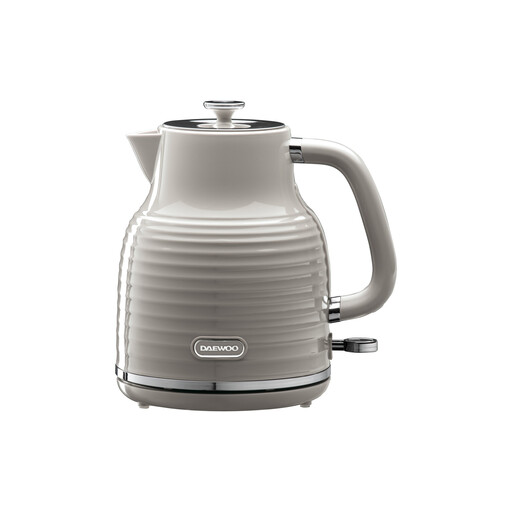 No image available
The 1.7-litre jug format suits consideration where a larger boil for a flask is part of the cottage routine.
Before choosing it, compare the maximum-fill line with the flask volume and check the spout, full-kettle handling and minimum fill for individual drinks.
 No image available
Consider the temperature-control option if the cottage kettle must also prepare drinks at selected temperatures.
Its stated capacity is 1.5 L. Confirm the selectable temperature range for this exact model, then check the maximum and minimum fills and whether it can pour comfortably into the intended flask.
Choose a kettle whose maximum-fill line accommodates the amount your flask needs without overfilling. A 1.7-litre format can serve a flask-and-drinks routine, but also check whether you can lift and pour the kettle comfortably when full.
Yes, if you will also make individual drinks. Which? advises that a minimum fill of ideally 300 ml or less helps avoid boiling more water than needed for a single cup; compare that figure with the kettle’s stated minimum.
Do not assume an annual test is universally required. The Health and Safety Executive says electrical equipment must be maintained to prevent danger, but it does not prescribe annual portable appliance testing for every appliance; inspection and testing should reflect the equipment and its environment.
For a self-catering holiday home in England, GOV.UK guidance says hosts must follow Health and Safety Executive electrical-safety guidance. This England-specific guidance should not be assumed to settle the requirements for a property in Scotland, Wales or Northern Ireland.
A removable filter can help keep loose scale out of a flask or cup, but it does not replace inspecting and descaling the kettle. Follow the chosen model’s cleaning instructions where local water causes build-up.