Hosts making a full tea round
If several friends want tea together, capacity and a manageable pour matter more than making one cup at a time. Check the water-level markings against the mugs you normally use.


Choose a conventional kettle if you usually make tea for several friends at once; check its usable capacity against your mugs and how comfortably you can lift it when full. A hot-water dispenser suits drinks made one at a time, but it needs room for a cup beneath the outlet and attention to the drip tray. Whichever format you choose, check the UK plug and fuse and the appliance’s safety features before buying.
If several friends want tea together, capacity and a manageable pour matter more than making one cup at a time. Check the water-level markings against the mugs you normally use.
If guests arrive or ask for drinks at different times, dispensing directly into a cup may suit the way you serve them. Check that your cups fit beneath the outlet.
If hot-water handling and regular cleaning are priorities, look closely at the plug, safety controls and access to filters or drip trays. Electrical Safety First advises checking for a UK 3-pin plug and fuse and automatic shut-off or boil-dry protection on a kettle.
Decide whether most visits call for one large round or drinks served separately. Then compare the handling, safety and cleaning requirements of the exact appliance.
| Concern | What to check | Who this matters to |
|---|---|---|
| Serving a full round | Compare usable capacity, minimum-fill markings and water-level visibility with the size of your usual mugs. | If everyone wants tea together, I need enough water without repeated refills, while still being able to lift and pour comfortably. Around 42% of consumers would put serving a full round first. |
| Serving individual drinks | For a dispenser, check dispense-volume controls, cup clearance and drip-tray access. | When friends request drinks at different times, I would rather fill each cup directly than pour from a jug. Roughly 33% of consumers would prioritise controlled individual servings. |
| Safety and upkeep | Check the UK 3-pin plug and fuse, automatic shut-off or boil-dry protection, and access for cleaning filters or drip trays. | If children or pets are nearby, or I use the appliance often, handling hot water safely and keeping it clean take priority over appearance. About 25% of consumers would make safety and upkeep their main concern. |
Cup counts depend on the manufacturer’s assumed cup size; your guests may use larger mugs. A kettle’s minimum-fill marking also matters when you make fewer drinks.
Compare usable litres and fill markings with your usual mugs. Treat a stated cup count as guidance for that particular model.
A dispenser needs space for a cup beneath its nozzle, and its drip tray and filter may need cleaning. Incorrect cup placement or overfilling can create a hot-water spill risk.
Check cup clearance and cleaning access. Place a suitable cup or container beneath the nozzle and do not fill above the appliance’s MAX marking.
Electrical Safety First advises caution when buying electrical appliances from unfamiliar third-party sellers. An appealing set of features does not replace checking the appliance and seller.
Use a reputable retailer, check for a standard UK 3-pin plug and fuse, and keep your proof of purchase.
Steam, hot surfaces, spills and damaged cords still need attention when serving tea.
Use a stable, dry surface, keep the cord out of reach and unplug before cleaning. Stop using an appliance that is damaged, leaking, sparking or producing an unusual smell.
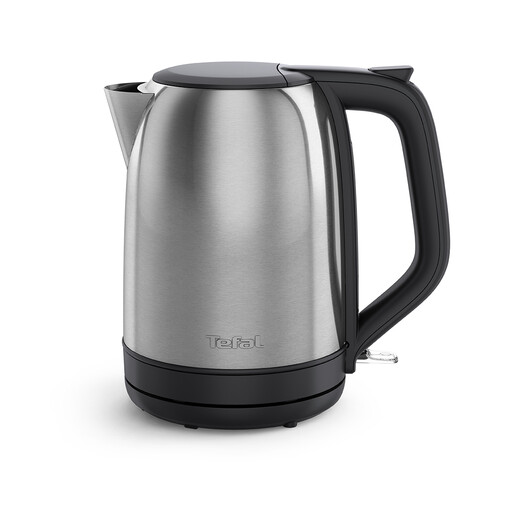
The Subito KO5S0DG0 is a conventional-kettle example for making several teas together.
The TWK8633GB is a kettle to consider when selectable water temperatures matter alongside group serving.
The HotCup range offers a dispenser format for serving tea cup by cup rather than pouring from a jug.
Kenwood lists Dawn and Dusk kettles as conventional options for serving from a jug.
These choices include conventional kettles for making a round, a temperature-control kettle and a dispenser for serving cups individually. Match the format to how your friends usually ask for tea, then check the exact appliance’s electrical and handling details.
 No image available
A conventional kettle to consider when several friends want tea together.
Capacity: 1.7 L. Check the minimum-fill marking against the amount you normally make, and confirm the UK plug and fuse before buying.
 No image available
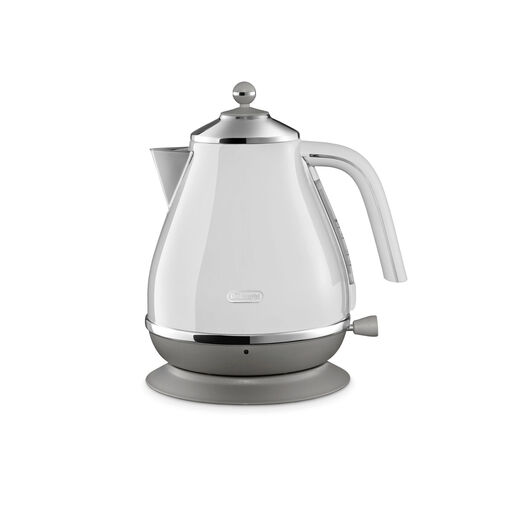
Consider this conventional kettle if you generally prepare a group tea round and prefer pouring from a jug.
Capacity: 1.7 L. Confirm the UK plug and fuse, and check the exact product details for the safety features you require.
 No image available
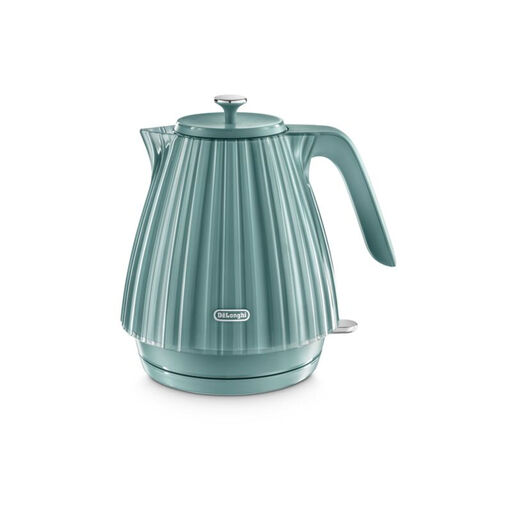
Another conventional-kettle option for making several teas in one round.
Capacity: 1.7 L. Compare its fill markings with your usual mug sizes, and confirm the UK plug and fuse.
 No image available
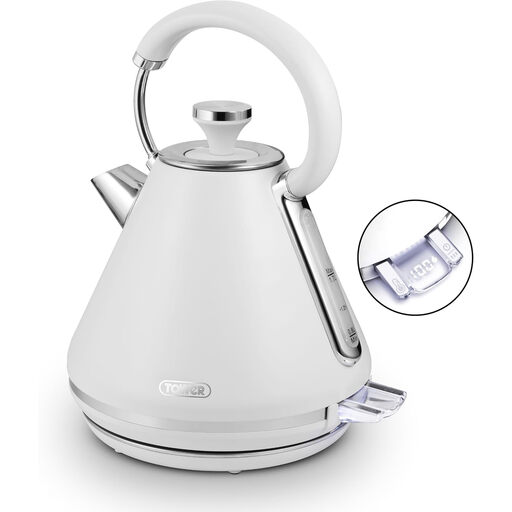
Consider temperature control if you want to choose the water temperature while still pouring a group round from a kettle.
The product name specifies variable temperature, a 1.7 L capacity and 3 kW. Before buying, confirm automatic shut-off or boil-dry protection and the UK plug and fuse.
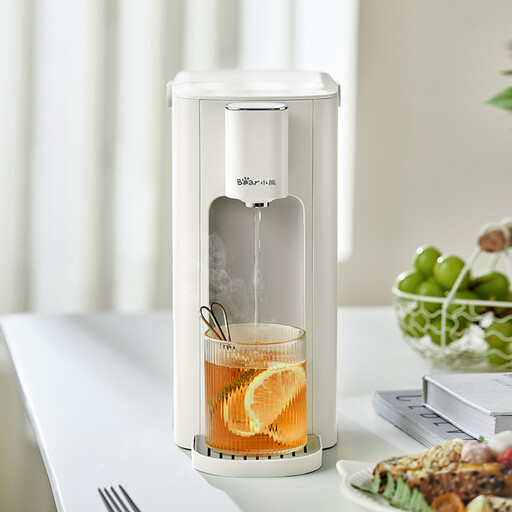 No image available
A dispenser format to consider when friends ask for tea at different times and you want to serve cups individually.
The product name specifies a 3 L tank and six temperature settings. Check its actual footprint and cup clearance, as well as automatic shut-off or boil-dry protection and the UK plug and fuse.
A 1.7 L kettle is a starting point if you usually make several teas at once, but check it against your mug sizes and the kettle’s minimum-fill marking. Tefal says its Subito KO5S0DG0 can prepare up to seven cups; that figure describes this model using Tefal’s cup measure, not every 1.7 L kettle.
A dispenser makes more sense when visitors request drinks one at a time and you prefer dispensing into each cup. For a simultaneous round, compare the convenience of pouring from a kettle; with a dispenser, check cup clearance, the drip tray and the instructions for placing a container beneath the nozzle.
Check that a kettle has a standard UK 3-pin plug and fuse and automatic shut-off or boil-dry protection, as Electrical Safety First advises. Buy from a reputable retailer, and stop using an appliance that is damaged, leaking, sparking or producing an unusual smell.
Follow the instructions for the exact model and unplug it before cleaning. Electrical Safety First advises using cleaners specifically designed for descaling inside a kettle; Breville’s HotCup instructions also say to let the appliance cool and never immerse the appliance, cord or plug in water.