Quiet shared-room minute-takers
If you type decisions while other students study or attend the meeting, key noise and a familiar physical layout deserve attention. A quiet-key description is useful, but check it for the exact model.


For typing committee decisions in a shared student room, start with a keyboard whose key noise, physical UK layout and connection suit the meeting setup. Consider a compact wireless model if you carry it between rooms or switch devices; a full-size or wired model may suit regular numerical work or a fixed desk better. A keyboard lets you type minutes, but it does not record meeting audio.
If you type decisions while other students study or attend the meeting, key noise and a familiar physical layout deserve attention. A quiet-key description is useful, but check it for the exact model.
If you move between a student room and meeting space, or use both a laptop and tablet, consider the keyboard's size and supported device-switching method. Wireless use also means managing its power and connection.
If minutes sit alongside budgets, attendance lists and action trackers, a full-size layout or a wired connection may matter more to you than the smallest keyboard.
For typed committee minutes in a shared room, check key noise and layout before deciding whether portability, connection choice or dedicated number keys matter most.
| Concern | What to check | Who this matters to |
|---|---|---|
| Typing noise | Look for a quiet-key description for the exact model; do not treat a slim design as a noise measurement. | If I take minutes beside people who are studying or speaking, I want my typing to cause less disturbance. Around 33% of consumers place quieter typing first. |
| Layout and continuity | Confirm the physical UK key layout and a connection that works with the device used during meetings. | When decisions and action owners are being agreed live, I need familiar keys and a connection I can set up beforehand; roughly 33% of consumers prioritise dependable typing and layout. |
| Portability and switching | Check the size, supported devices and switching method, along with the battery or charging arrangement. | If I take the keyboard to meetings and alternate between a laptop and tablet, carrying it and changing devices matter most. About 20% of consumers put that need first. |
| Numerical administration | Decide whether you need a physical number pad; check software requirements before relying on custom shortcuts. | For recurring budgets, attendance figures and action logs, I would rather have the keys those tasks require than the smallest layout; around 14% of consumers prioritise this work. |
A model family may have a UK variant without every listing or colour using the same physical keys.
Check the selected variant's physical UK or ISO layout, particularly the Enter key and symbol positions, before ordering.
Key sound depends on the exact keyboard. A manufacturer's quiet-key description is not a standardised acoustic measurement.
For a shared room, look for a quiet-key description for the model you are considering and keep your expectations cautious.
A compact board takes less space, but the key arrangement may be less convenient if committee work regularly includes figures.
Review the budgets, attendance records and action logs you prepare, then decide whether dedicated number keys matter more than portability.
A keyboard captures typed input, not audio. Recording identifiable participants raises separate data-protection questions for the organisation.
If the committee proposes audio or video recording, follow its institution's or organisation's process and assess the applicable UK GDPR obligations before recording.
Compact and full-size wireless options illustrate different choices for shared-room typing and device switching.
The KC 6000 SLIM is a wired, full-size option for a keyboard that will usually stay at one desk.
The B1 Pro is a compact option to examine if you want a UK-ISO variant and a choice of connection modes.
These keyboards offer different starting points for typed committee minutes: full-size wireless and USB desk setups, plus more compact layouts. Check physical key placement, connection requirements and typing sound against your room and the tasks you do after each meeting.
 No image available
Consider this full-size format if you mainly type minutes and administrative notes at a desk. Confirm the physical UK key placement and whether its typing sound suits your shared room; wireless use also requires attention to power and pairing.
 No image available
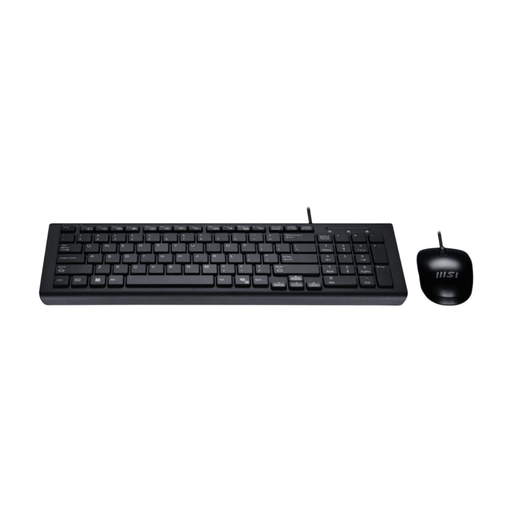
A USB keyboard-and-mouse set is worth considering for a fixed computer used to prepare minutes. Check the computer's port, the physical key layout and whether the typing sound works in your room.
 No image available
For minutes typed on a Bluetooth-capable device, check that this keyboard's setup fits the devices you use. Its name identifies a UK version, but confirm the physical keys and assess its sound before choosing it for a shared room.
 No image available
If your committee work combines minutes and numerical entries, check whether this model's key arrangement suits both tasks. Confirm the switch option and typing sound for this listing before using it near other students.
 No image available
For a desk where keyboard space is limited, check whether this 65 model has the keys your minutes and administrative tasks require. Confirm its connection with your computer and whether its typing sound suits a shared room.
Choose a physical UK layout if that is the arrangement you normally type on. Check the exact variant rather than relying on a product-family name; Keychron lists a UK-ISO B1 Pro variant, while CHERRY lists regional variants of the KC 6000 SLIM.
Pair it with the laptop or tablet you will use and test typing, waking the device and switching devices if needed. Check its power arrangement too; for a keyboard that stays at one desk, a compatible wired connection avoids wireless pairing and battery management.
Confirm the exact layout, required ports or connection method, and which accessories come with the selected variant. Check the seller's returns process and the variant's warranty terms, and retain your proof of purchase.
Audio or video recording of identifiable participants needs separate consideration from typing minutes. The organisation should assess its applicable UK GDPR basis and transparency obligations; the Information Commissioner's Office says consent, where relied upon, must be specific and informed.
Use an appropriate electrical-recycling route rather than treating a keyboard as ordinary rubbish. GOV.UK guidance explains that waste electrical and electronic equipment rules support recovery, reuse and recycling; check available local-authority or retailer arrangements.