For book-review editing at a small desk or in a shared room, start with a compact keyboard whose key sound and layout suit your space. A low-profile mechanical board makes more sense if you specifically want its key feel and remapping options; a wired office keyboard is worth considering if you prefer a direct connection or need a numeric keypad and have room for it. For long laptop sessions, a separate keyboard works alongside screen and desk positioning, not in place of them.
Who this suits
Shared-room quiet typists
If you edit in a bedroom, hall or shared flat, key sound and the space left for notes and a mouse may matter more than extra keyboard features. Logitech describes its Pebble Keys 2 K380s as compact and quiet, though that does not establish how another keyboard will sound in your room.
Long-session laptop editors
If you spend extended periods drafting and revising on a laptop, a separate keyboard gives you the option to raise the screen while keeping the keys on the desk. Oxford University Hospitals recommends considering the position of the screen, keyboard and arms together.
Shortcut and key-feel enthusiasts
If UK-ISO key placement, mechanical feel or remapped editing commands are priorities, check the exact variant rather than choosing by size alone. Keychron describes its K3 Version 3 as offering a UK-ISO option, customisation, Bluetooth and a wired connection.
What to check when choosing
Decide how much desk space and typing sound you can accommodate, then check the keys and connection you will actually use. If you edit on a laptop for long stretches, plan the whole desk setup as well.
| Concern |
Buying checks |
Who this matters to |
| Sound and desk space |
Check the keyboard’s dimensions and key layout, then assess whether its stated key type and sound suit a shared room. |
I need space beside my notes and do not want typing to disturb someone nearby. Around 40% of consumers put quiet, space-efficient typing first. |
| Extended editing setup |
Check whether the keyboard can sit centrally at a comfortable height, with room for a mouse if you raise your laptop screen. |
When I revise for a long session, I want to position the laptop screen without reaching forward to its built-in keys. Roughly 40% of consumers make a workable editing setup their primary concern. |
| Connection and everyday functions |
Confirm the UK layout, connection and power method, device compatibility and any editing shortcuts you intend to use. |
I would rather have a straightforward connection and the commands I use than pay attention to features I will leave untouched. About 20% of consumers prioritise connection simplicity and practical editing functions. |
Buying pitfalls
-
Choosing a compact board without checking its keys
A smaller layout may omit the numeric keypad or put editing commands behind a function-key layer. That can be inconvenient if you often use navigation keys while revising.
Inspect the exact layout and manual for the variant you want. Check arrows, Home, End, Delete, function keys and the numeric keypad against your usual workflow.
-
Assuming every QWERTY keyboard has a UK layout
US and UK layouts can differ in key shapes and symbol placement, which matters when typing punctuation and quotations.
Confirm that the selected variant explicitly specifies an English UK, UK QWERTY or UK-ISO layout; the word QWERTY alone is not enough.
-
Expecting a new keyboard to fix the whole laptop setup
A separate keyboard can let you raise a laptop screen, but it will not by itself resolve forward reaching or an awkward desk position.
Place the keyboard centrally, keep your forearms level where practical and change position during long sessions. Oxford University Hospitals advises considering a raised laptop screen with a separate keyboard and mouse.
Allow desk space for the mouse and, if you raise the laptop, a stable way to support it.
-
Overlooking how a wireless keyboard connects and runs
Bluetooth pairing, receivers, replaceable batteries and charging arrangements vary by model. A wireless label does not tell you which of these you will need.
Check your device’s compatibility, the keyboard’s connection modes and power method, and whether any required receiver is included.
Brands to consider for this use
Logitech
Logitech offers compact options to examine if a small desk, multiple devices or low-profile keys shape your choice.
- Logitech describes the Pebble Keys 2 K380s as quiet and able to switch among three compatible devices; its MX Keys Mini adds backlighting and programmable functions.
- Check the exact layout, operating-system compatibility and power arrangement. A compact model may not suit you if you need a numeric keypad.
Keychron
Keychron is relevant if you actively want a compact UK-ISO mechanical layout and customisable commands.
- Keychron describes the K3 Version 3 as a 75% low-profile board with a UK-ISO option, Bluetooth 5.2, a wired mode and QMK/Launcher customisation.
- Confirm the chosen switch and layout. Mechanical key feel and sound are matters to assess for your shared-room setting.
Cherry
Cherry is another reference point if you prefer an office-style keyboard over a compact mechanical design.
- In its 2026 budget-keyboard roundup, PCMag UK lists the Cherry Stream Wireless Keyboard as a low-profile general-use option.
- PCMag UK notes limited Mac support and the use of AA batteries for that model; check whether both suit your devices and routine.
Keyboard choices on Joybuy
These options cover full-size wired and wireless keyboards as well as smaller layouts. Choose by the space available for your review-writing setup, the keys you need and the connection your device can use; check key sound separately if you share the room.
 No image available
Targus EcoSmart full-size wireless keyboard (UK)
Consider this UK-variant wireless keyboard if you want a full-size layout for editing. Check that it fits beside your notes and that its key sound suits the room.
View on Joybuy
 No image available
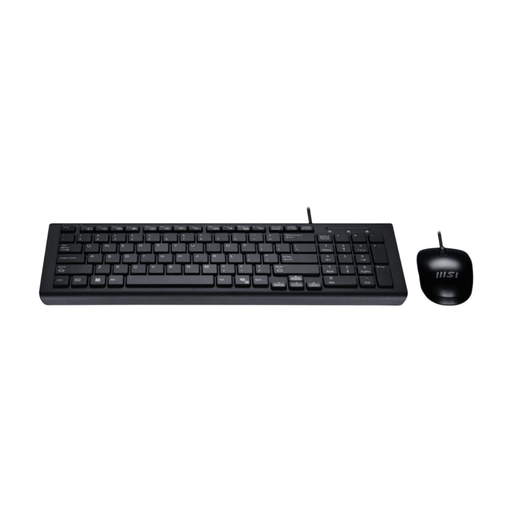
MSI GK-701 Office keyboard and mouse set, UK layout
This set is an option if you want a separate keyboard and mouse for laptop editing and prefer a USB connection. Allow space for both devices and check that your laptop has a suitable connection.
The product name specifies a UK layout and CoPilot key.
View on Joybuy
 No image available
Hyper HyperSpace Next Bluetooth keyboard (UK), white
Consider this Bluetooth option if you want a wireless UK-variant keyboard for editing. Check its dimensions against your desk and assess key sound before choosing it for a shared room.
View on Joybuy
 No image available
ASUS ROG Strix Scope II 96 Wireless, UK layout
The 96 layout is worth considering if you want to keep a numeric keypad while comparing keyboard footprints. Confirm the selected switch variant and listen to its key sound before choosing it for a shared room.
View on Joybuy
 No image available
HyperX Alloy Rise 75 Wireless keyboard
Consider the 75 layout if desk space matters and you do not need a numeric keypad. Confirm the actual UK key legends and whether its mechanical key sound suits your room.
View on Joybuy
Common questions
Do I need a full-size keyboard to edit a book review?
No: choose a full-size board if you regularly use its numeric keypad or dedicated keys and have room for it. A smaller layout can free desk space, but check where the editing commands you rely on have moved.
How should I use a separate keyboard with my laptop?
For a long editing session, position the keyboard at desk height and raise the laptop screen where practical, with space for a separate mouse. Oxford University Hospitals advises this kind of arrangement to avoid reaching forward; adjust the whole setup rather than expecting the keyboard alone to change your posture.
Should I choose Bluetooth or a wired keyboard?
Choose Bluetooth if you want wireless placement or to switch among compatible devices; choose a wired connection if you prefer a direct connection and do not mind a cable. Check the exact model: Logitech presents the Pebble Keys 2 K380s as a multi-device Bluetooth keyboard, while Keychron specifies both Bluetooth and wired modes for the K3 Version 3.
What can I do with an old keyboard?
Consider reuse or an electrical-recycling route rather than ordinary rubbish. Recycle Your Electricals says items with a plug, battery or cable can be recycled; check which local collection or take-back option accepts your keyboard.


