What matters when choosing
Start with the position and layout you need for writing, then decide whether shortcuts, device switching or a smaller keyboard matter more in your planning routine.
| Concern |
What to check |
Who this matters to |
| Comfort during long sessions |
Check keyboard height and tilt, desk space and whether the keyboard can sit centrally below elbow height. |
When lesson plans and source materials take hours to prepare at one desk, I need a position I can maintain comfortably; around 44% of consumers put long-session comfort first. |
| Writing and workflow |
Confirm the exact key layout, number pad if needed, and operating-system support for programmable shortcuts. |
Drafting text while entering dates or marks and repeatedly formatting slides makes familiar keys and useful shortcuts important to me; around 33% of consumers prioritise this workflow. |
| Moving and shared spaces |
Check size, connection requirements and the exact variant’s quiet-key or switch specification. |
If I carry a keyboard between planning spaces or work near others, I want it to fit the setting without assuming it will type quietly; around 23% of consumers make portability or shared-space use their primary concern. |
Joybuy keyboard choices
These keyboards offer different approaches to history lesson planning, from full-size desk setups to split and smaller wireless designs. Check the exact layout and connection requirements against your own workstation.
 No image available
Targus EcoSmart™ Full Size Wireless Keyboard (UK)
Consider this full-size wireless keyboard for writing at a fixed desk if its UK variant has the key arrangement you prefer. Check the exact number-pad layout, connection requirements and desk fit.
View on Joybuy
 No image available
HP 960 Ergonomic Split Layout Wireless Keyboard with Padded Wrist Rest
For long planning sessions at one desk, the HP 960 offers a split layout, padded wrist rest and separate numeric keypad, according to HP. Allow space for both pieces and confirm the key layout; check software support if you want to customise shortcuts.
View on Joybuy
 No image available
ASUS ROG Strix Scope II 96 Wireless Gaming Keyboard, White, UK Layout
If you prefer the Scope II 96 key arrangement for lesson drafting, check that this wireless UK-layout variant fits your desk and typing habits. Confirm its exact switch configuration and sound profile before choosing it for a shared space.
View on Joybuy
 No image available
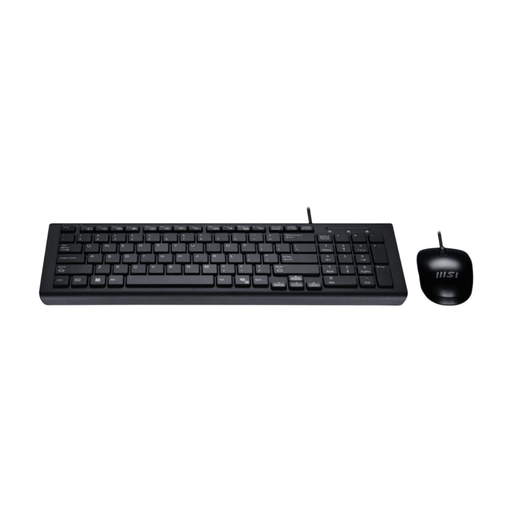
MSI GK-701 USB Keyboard and Mouse Set, UK Layout, CoPilot Key, Black
This wired keyboard and mouse set suits a desk where a USB connection is convenient. If the dedicated CoPilot key matters to your workflow, check its Windows 11 requirement and confirm that the cable placement works for your setup.
View on Joybuy
 No image available
HyperX Alloy Rise 75 Wireless Keyboard UK
For planning between locations, consider this wireless 75 model if its smaller key arrangement meets your needs. Confirm the exact UK key layout, whether the variant has the keys you use for numerical entry, and its sound profile before ordering.
View on Joybuy
Common questions
Should I use an external keyboard when planning on a laptop?
For prolonged laptop work, the Health and Safety Executive advises using a separate keyboard and mouse so the screen can be raised while the input devices remain suitably positioned. That does not require a particular keyboard model.
When should my school assess my workstation?
For staff using display screen equipment daily for continuous periods of an hour or more as a significant part of normal work, the Health and Safety Executive says employers should assess the workstation and address identified risks. The assessment covers the wider setup and working conditions, not just the keyboard.
Should I choose a UK ISO keyboard?
Choose UK ISO if that physical key arrangement and its legends match the typing layout you want. Keychron lists UK ISO models separately, so check the exact variant rather than assuming every model from a brand has the same layout.
Can one keyboard work with my school laptop and home computer?
Yes, if the particular keyboard supports the required connections and both devices are compatible. Logitech lists switching across up to three devices for MX Keys S, while HP lists up to three Bluetooth devices for the 475; check connection and software requirements for the model you choose.


