Writers working across devices
If you draft on a laptop and review notes on a tablet or phone, a Bluetooth multi-device keyboard may let you keep the computer’s USB ports free. Check that each device is compatible and how the keyboard is powered.


Limited wall sockets do not, by themselves, call for a wireless keyboard: a wired USB keyboard normally draws power from the computer. For a book synopsis, choose Bluetooth if you need to keep computer USB ports free or switch between compatible devices; consider a receiver-based keyboard if a USB port is available and you want wireless placement. A wired USB model avoids a keyboard charging routine, provided its cable and connection suit your desk.
If you draft on a laptop and review notes on a tablet or phone, a Bluetooth multi-device keyboard may let you keep the computer’s USB ports free. Check that each device is compatible and how the keyboard is powered.
If you use one computer with a spare USB port, a wired keyboard avoids managing keyboard batteries. It connects to the computer rather than occupying a separate wall socket, though the cable affects where you can place it.
If repeated drafting and revision make typing feel awkward, compare keyboard shape, key feel and desk footprint alongside the connection method. A split or comfort-focused design is worth assessing for fit, not assuming it will suit everyone.
For synopsis writing with scarce wall sockets, decide how the keyboard will connect and draw power before comparing its physical layout and fit on your desk.
Choose it when: You want to preserve a computer USB port or move between Bluetooth-capable writing devices.
Allow for: Pairing and either battery replacement or periodic charging, depending on the model.
Choose it when: You want wireless placement at a desk with an available, compatible computer USB port.
Allow for: A receiver that occupies that port; confirm whether it is included and how the keyboard is powered.
Choose it when: You write at one computer and would rather not manage keyboard batteries.
Allow for: A cable and an occupied computer USB port, even though the keyboard needs no separate wall socket.
| Concern | What to check | Who this matters to |
|---|---|---|
| Power and ports | Check the connection and power method, then count available computer USB ports separately from wall sockets. | If I have few wall sockets, I want a keyboard setup that works with the computer connections I can spare. Around 36% of consumers put power and port management first. |
| Typing comfort | Compare shape, dimensions and key feel; check whether a palm rest or split layout suits your desk. | During a long drafting or revision session, I care most about whether the keyboard feels comfortable to use. For around 29% of consumers, typing comfort is the primary need. |
| Layout and devices | Confirm the selected physical UK layout and support for every device you intend to use. | If I edit punctuation-heavy text across a laptop and another device, I need familiar keys and a compatible connection on both. Around 21% of consumers prioritise layout and device fit. |
| Desk space and noise | Check the keyboard’s dimensions, editing keys and any model-specific quiet-key description. | With a small desk or a shared room, I want room to work without choosing a layout that disrupts my editing. A compact or quieter setup comes first for around 14% of consumers. |
A wired USB keyboard normally uses a computer port, not its own wall socket. A wireless model with a receiver still uses a computer USB port.
Check wall sockets, spare USB ports and Bluetooth support separately before deciding which connection solves your constraint.
UK and US QWERTY variants can place punctuation and symbols differently, which matters when drafting and editing text.
Check the exact selected variant for UK English, UK QWERTY or UK ISO wording and inspect its physical key layout before ordering.
Bluetooth, USB-receiver and charging or battery arrangements vary by model. Wireless does not automatically mean rechargeable, multi-device or quiet.
Check the selected model’s connection modes, power arrangement, included accessories and compatibility with your writing devices.
A smaller layout may change where navigation, function and shortcut keys sit. A compact shape also says little about how comfortable it will feel during a long session.
List the keys you use to revise a synopsis, then compare the exact layout and dimensions with your available desk space.
A reference point for comparing Bluetooth, receiver-based, wired USB, compact multi-device and ergonomic keyboard designs.
Relevant when a UK ISO layout and a choice of connection methods or key styles matter.
Relevant for comparing wired USB, rechargeable multi-device and comfort-focused keyboard options.
Relevant for UK-English multi-device and wired USB keyboard choices.
These choices include UK-layout wireless keyboards and USB-connected options for writing with limited wall sockets. Compare their exact connection and power arrangements with the ports and charging options available at your desk.
 No image available
Consider this full-size wireless option if you want to write without a keyboard cable across the desk. Check its connection method, battery replacement needs and the physical layout of the UK variant before buying.
 No image available
The UK-layout wireless variant is worth considering if you want flexibility in where you type. Before relying on wireless use with limited sockets, check how this variant is charged, which connection modes it offers and which switch option is supplied.
 No image available
Consider this UK-layout keyboard if you prefer a compact wired option for a desk with a spare computer USB connection. Check that its editing keys and shortcuts suit your synopsis work, and confirm support for your operating system.
 No image available
Bluetooth may suit you if computer USB ports are scarce and your writing devices support it. Plan for USB-C charging, check whether a suitable cable is included and confirm the physical UK layout of the selected variant.
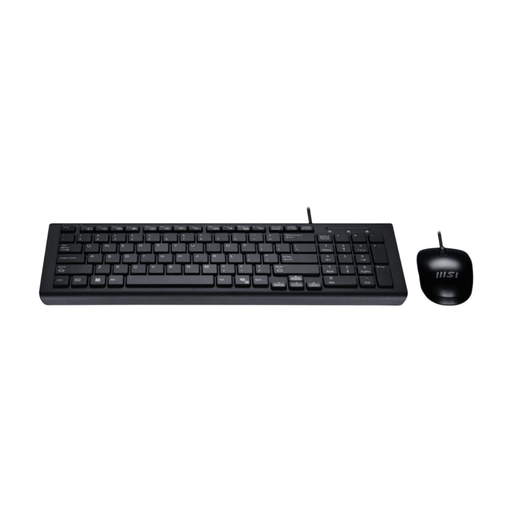 No image available
This wired USB set may suit a fixed writing desk if you also want a mouse and would rather avoid a keyboard charging routine. Check that you want both devices and have suitable computer USB connections for the set.
No. A wired USB keyboard normally draws power from the computer and does not need its own wall socket. It remains a practical choice if you have a spare computer USB port and room for its cable.
Choose Bluetooth if your writing devices support it and keeping a computer USB port free matters most. A receiver-based keyboard can suit a desk with a spare compatible USB port; check that the receiver is included, as wireless keyboards do not all offer both connection methods.
Check the exact selected variant for a physical UK English, UK QWERTY or UK ISO layout. QWERTY alone is not enough to distinguish UK punctuation and key positions from US variants.
GOV.UK says waste electrical products can be taken to a local household waste recycling centre. If the keyboard has removable batteries, check the centre’s instructions for handling them separately.