Frequent number-entry users
If you repeatedly enter calculations, marks or answer tables, consider whether an integrated number pad or a movable separate keypad fits your work better.


For frequent entry of figures and tables, start with a keyboard that has a numeric keypad or can be used alongside a separate one. A compact keyboard may suit a desk where mouse space matters more, but also check the UK key layout, connection options and how the keyboard fits your workstation.
If you repeatedly enter calculations, marks or answer tables, consider whether an integrated number pad or a movable separate keypad fits your work better.
If you spend extended periods drafting and checking worksheets, assess the keyboard alongside your desk, chair and screen position. The Health and Safety Executive advises placing a keyboard just below elbow height.
If you move between a laptop, desktop or tablet, check the connection methods, operating-system support and device-switching controls of the exact keyboard you choose.
For home-office maths worksheets, decide how you will enter numbers before weighing keyboard shape and device-switching features.
| Concern | What to check | Who this matters to |
|---|---|---|
| Number entry | Check for an integrated number pad or an included separate keypad, and confirm its position will work on your desk. | If I enter figures and answer tables throughout a worksheet, I want numbers within easy reach without disrupting my typing. Around 43% of consumers put number entry first. |
| Workstation fit | Check the keyboard’s height and shape against your desk setup; the Health and Safety Executive advises positioning it just below elbow height. | During long drafting sessions, I need a keyboard I can position comfortably as part of my whole workstation. Roughly 29% of consumers place workstation fit first. |
| Layout and connections | Confirm the selected UK key layout, required wired or wireless connection, and software support for any shortcuts you plan to use. | When I edit worksheets across devices, familiar symbol keys and a workable connection matter more than extra keyboard features. About 28% of consumers prioritise layout and compatibility. |
Physical key positions can differ between UK and US layouts, which matters when typing symbols and worksheet instructions.
Check that the selected variant is labelled UK, English UK or UK-ISO rather than relying on a generic product photo.
A narrower keyboard may leave more room for the mouse, but repeated figure entry can be less convenient if your preferred number-entry arrangement is absent.
Consider how often you fill tables or enter calculations, then check whether a full-size board or a separate keypad better suits your desk.
A separate keypad also needs space when in use and somewhere to keep it afterwards.
A shaped keyboard or palm rest does not address an unsuitable desk height, screen position or mouse placement.
Assess the complete setup. The Health and Safety Executive advises placing the keyboard just below elbow height.
Customised commands may depend on a manufacturer’s app and may not work identically across operating systems.
Check whether your computer supports the customisation you intend to use; otherwise, judge the keyboard by its layout and basic functions.
Its MX Keys S and Wave Keys lines offer different approaches to home-office typing.
The Q6 Max UK-ISO is a full-size mechanical option for people seeking a specified UK physical layout.
The Pro Type Ultra is a mechanical productivity keyboard for people who prefer that style of key feedback.
These keyboards cover full-size or space-conscious UK-layout approaches to creating maths worksheets, with different wired and wireless arrangements. Check the selected listing for the number-entry setup and connections you need.
 Image unavailable
Consider this full-size keyboard if you regularly enter figures and want a UK layout. Check the exact number-pad arrangement and that its wireless connection works with your computer.
 Image unavailable
Consider the 96 layout if you want to assess a different number-entry and desk-space arrangement from a traditional full-size board. Confirm the selected version’s keypad, switch feel and connection requirements.
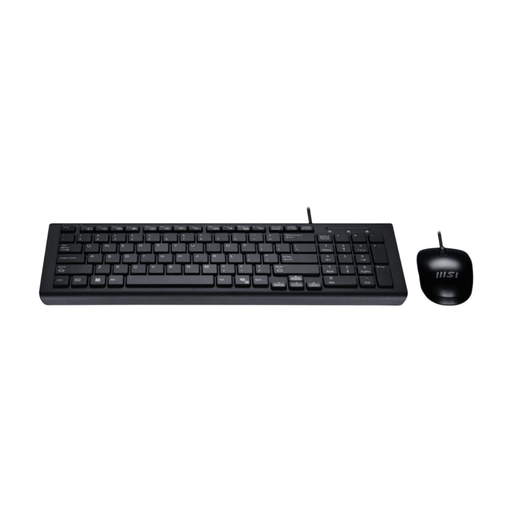 Image unavailable
Consider this keyboard-and-mouse set if a wired USB desk setup suits your worksheet work. Check the selected keyboard’s number-pad arrangement, available computer ports and operating-system support for the Copilot key.
A number pad is useful when you repeatedly enter figures, marks or table values, but it need not be built into the keyboard. If most of your work is writing explanations, a compact board may suit you; a separate keypad is another option when number-entry needs vary.
Check that the exact variant is labelled UK, English UK or UK-ISO. A seller’s location or a generic product image is not enough to establish the physical key arrangement; Keychron, for example, identifies a UK-ISO version of its Q6 Max.
No keyboard alone guarantees comfort. Assess its shape alongside your desk and screen setup; the Health and Safety Executive advises positioning the keyboard just below elbow height.
Confirm which connection methods your devices support, whether a receiver is needed and how many devices you plan to switch between. Also check operating-system support if you intend to customise shortcuts.