Plot-record administrators
People entering plot numbers, dates and payment details at a fixed shared computer may want a familiar UK layout and a dedicated number pad.


Choose a full-size UK-layout keyboard with a number pad if the shared computer is mainly used for plot numbers, dates and spreadsheet entries. If desk space is tight or users regularly switch between a computer, phone and tablet, consider a smaller multi-device model—but check its exact keys and connection requirements. Match any cleaning or spill protection to the desk’s actual exposure rather than assuming an ordinary keyboard can be washed.
People entering plot numbers, dates and payment details at a fixed shared computer may want a familiar UK layout and a dedicated number pad.
People moving between the desk computer and a phone or tablet for messages, photos or booking notes should check whether the keyboard can switch between those devices without repeated pairing.
People returning from outdoor plot work with damp or dirty hands, or cleaning a shared desk frequently, need to distinguish limited spill resistance from a keyboard designed for more demanding cleaning.
Start with the work done most often at the shared desk, then check the available keyboard-and-mouse space, the devices users need to connect and the cleaning instructions for the exact model.
| Concern | What to check | Who this matters to |
|---|---|---|
| Entering plot records | Look for UK key legends and a dedicated number pad if figures are entered frequently. | When I enter plot numbers, dates and payment details repeatedly, I want the keys I use close at hand. Roughly 31% of consumers would put numeric record entry first. |
| Switching devices | Confirm the supported devices, connection modes and switching controls. | If messages and booking notes move between the desk computer and a phone or tablet, I want to change devices without setting up the keyboard again. For about 31% of consumers, device switching would be the primary need. |
| Shared-desk fit | Check the keyboard footprint and whether the mouse can sit comfortably alongside it. | At a crowded desk, I need room to type and use the mouse without reaching awkwardly. Around 23% of consumers would prioritise workable keyboard and mouse positioning. |
| Cleaning and exposure | Read the exact spill specification and permitted cleaning instructions; check for a sealed design if the desk requires one. | After outdoor plot work, I need to know how the shared keyboard can be cleaned without treating limited spill resistance as waterproofing. Cleaning or exposure resilience would come first for roughly 15% of consumers. |
The Health and Safety Executive advises considering keyboard position as part of the whole workstation, including space for the mouse. A smaller keyboard may help a narrow desk, but check whether its particular layout still has the keys needed for record entry.
Size labels alone do not settle the question: Logitech describes the K780 as compact and also specifies an integrated number pad.
Inspect the exact UK-layout image and key arrangement, particularly if spreadsheet entry is a regular task.
RS describes the Logitech K120 spill test as limited to a maximum 60 ml spillage and says not to immerse it. Its specification is different from the sealed IP68 design RS lists for the Ceratech KYB-MED-VALUE-UW.
Choose protection for the desk’s actual exposure, and follow the selected keyboard’s cleaning instructions.
The Health and Safety Executive’s display-screen guidance considers keyboard height and placement alongside the mouse, screen and seat. Changing keyboards alone will not create space that the desk lacks.
Check where the keyboard and mouse will sit for each desk user before deciding on a full-size or smaller layout.
These brands offer relevant models with different layouts and connection or cleaning specifications; check the particular model and variant rather than assuming every keyboard in a range shares the same features.
Relevant to both a fixed-computer setup and a desk that switches between devices.
Relevant when a UK-ISO layout, a choice of keyboard sizes or several connection modes matters.
Relevant where the shared desk has a specific cleaning, dust or moisture-exposure requirement.
These keyboards cover different shared-desk priorities, including a wired UK-layout set, wireless models and smaller layouts. Compare each model’s keys and connection requirements with the computer, other devices and available desk space.
 No image available
Consider this UK-version Bluetooth keyboard if record entry and changing between compatible devices both matter at the shared desk.
Check the selected keyboard’s exact key arrangement and confirm that the devices users intend to connect support its Bluetooth setup. Wireless use also means managing charging and pairing.
 No image available
The 96 layout is worth considering if desk space matters alongside entry of plot figures and dates.
Check the selected UK key arrangement against the keys desk users rely on, and confirm compatibility before planning to switch between devices. Wireless use requires battery management.
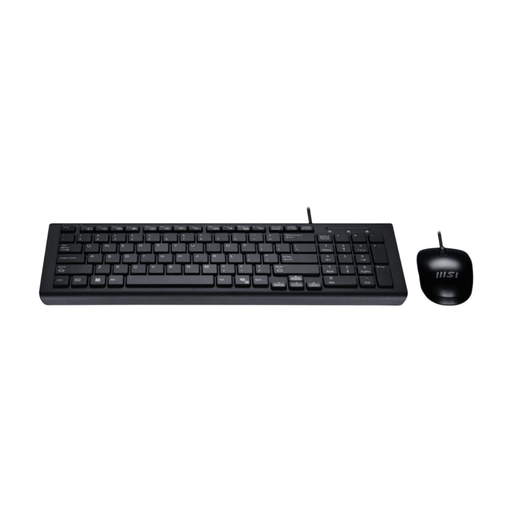 No image available
This keyboard-and-mouse set suits consideration for a fixed shared computer where UK-layout record entry takes priority over moving between devices.
Check that both devices fit comfortably on the desk. Keep the set away from liquids and moisture rather than treating it as a cleanable outdoor-work keyboard.
 No image available
Consider the split layout if users are prepared to check how it fits the shared workstation rather than expecting a familiar standard key arrangement.
Check the key legends and punctuation for UK use before ordering. If numeric entry matters, also check how the separate keypad will be positioned and managed at the desk.
 No image available
The 75 layout is an option to examine when a smaller keyboard and wireless device use matter more than a conventional full-size arrangement.
If plot figures are entered often, confirm whether the exact configuration provides the numeric keys you need. Check device compatibility, plan for charging and pairing, and keep liquids away from the keyboard.
Not necessarily: start by checking whether each user can position the keyboard and mouse comfortably at the workstation. The Health and Safety Executive’s display-screen guidance considers keyboard position, mouse placement and the wider desk setup, rather than treating a keyboard model as a substitute for arranging the workstation.
A full-size layout is worth considering when plot numbers, dates and other figures are entered frequently and a dedicated number pad matters. A smaller layout may suit a crowded desk or a keyboard that is put away regularly, provided the exact model retains the keys users need.
Do not assume that spill resistance permits washing or immersion. RS describes the Logitech K120’s spill test as limited to a maximum 60 ml spillage and says not to immerse it; its specification differs from the sealed IP68 design listed for the Ceratech KYB-MED-VALUE-UW. Follow the cleaning instructions for the particular keyboard.
Yes, if the particular model supports the devices and the required switching method. Logitech specifies switching among up to three devices for the K780, while Keychron lists three Bluetooth connections and a dedicated 2.4 GHz connection for the B1 Pro. Check each desk device’s compatible connection mode before choosing.