For drafting near flatmates, look for a keyboard with a quiet-key claim for the exact model; for figures and a fixed desk, a full-size wired UK-layout keyboard with a number pad may suit you better. If long typing sessions make desk positioning a priority, consider an ergonomic shape, but allow room for it and set the keyboard up centrally rather than expecting its shape alone to resolve discomfort.
Who is this for?
Shared-room quiet writers
If you draft near flatmates or late at night, key noise and desk space may matter more to you than a dedicated number pad. Logitech and Dell both describe quiet keys on specific keyboard models; check the claim for the model you choose.
Long-session grant drafters
If writing takes sustained typing sessions, consider keyboard shape alongside its position on your desk. The Health and Safety Executive advises placing the keyboard centrally and just below elbow height.
Small-desk, multi-device students
If books and notes share your desk with a laptop, or you also write on a tablet, check the keyboard’s footprint, familiar key layout and connection options. Logitech and Keychron describe multi-device options on particular models.
What matters when choosing?
For grant-summary writing in a student room, decide whether quieter typing, a workable long-session setup or fit with your desk and devices matters most; then check the exact keyboard variant.
| Concern |
What to check |
Who this matters to |
| Quiet typing |
Look for a quiet-key claim for the exact model and check whether its footprint fits your desk. Do not assume wireless or slim keys are quiet. |
If I draft near a flatmate, I want to limit the disturbance from long stretches of typing; around 40% of consumers would put quieter typing first. |
| Long-session comfort |
Check keyboard shape and whether you can position it centrally, just below elbow height, with your wrists straight while typing. |
When writing stretches across long sessions, I need a keyboard I can position comfortably rather than relying on its shape alone; roughly 30% of consumers would prioritise their typing setup. |
| Desk and device fit |
Check the physical UK key arrangement, space for a number pad if needed, and connections for the devices you use. |
With notes and a laptop sharing a small desk, I need a familiar layout that works with my devices; around 30% of consumers would put desk and device fit first. |
What should you avoid?
-
Assuming every QWERTY keyboard has the same layout
A US International QWERTY keyboard can have a different physical key arrangement from the UK layout you use, affecting familiar symbol and punctuation keys.
Check the exact variant’s title, photographs and key-layout details for UK QWERTY or UK-ISO rather than relying on “QWERTY” alone.
-
Expecting an ergonomic shape to replace a workable setup
A shaped keyboard still needs a suitable position. The Health and Safety Executive advises keeping the keyboard central and just below elbow height.
Check that the keyboard fits your desk and that you can keep your wrists straight while typing; change activity or take breaks during sustained work.
-
Pressing your wrists into a rest while typing
Chelsea and Westminster Hospital NHS Foundation Trust advises against resting your wrists during keystrokes, even if the keyboard has a palm rest.
Use a rest during pauses rather than pressing into it as you type, and adjust your chair and keyboard position if needed.
-
Choosing a connection before checking your devices
Bluetooth, a 2.4 GHz receiver and a wired USB connection require different device connections; a keyboard that suits your laptop may not connect to your tablet in the same way.
Check the ports and wireless options on every device you plan to use, as well as what comes with the exact keyboard variant.
If the connections do not match, you may need a compatible adapter or dock.
Relevant brands to consider
Logitech
Its Pebble Keys 2 K380s and Wave Keys illustrate different choices: compact Bluetooth typing and a shaped wireless keyboard.
- Logitech describes the Pebble Keys 2 K380s as compact, portable and quiet, with switching between devices.
- Wave Keys has a wave-shaped keyframe and cushioned palm rest, but its shape is not a substitute for checking desk fit and keyboard position.
Dell
The UK-layout KB216 is a wired, full-size option for a fixed desk where a number pad is useful.
- Dell’s English-UK KB216 listing specifies USB Type-A, a numeric keypad, adjustable tilt and quiet keys.
- Check that you have desk width for a full-size board and an appropriate USB connection.
Keychron
The B1 Pro ISO range is relevant if you want to compare wired and wireless connections in a slim keyboard.
- Keychron lists Bluetooth, 2.4 GHz and wired connection modes for the B1 Pro ISO.
- Confirm the exact UK-ISO variant and assess key noise separately if you will type near others.
Joybuy product choices
These choices include wireless and USB-connected keyboards, including a split-layout option, for student-room drafting. Match the exact variant’s key noise, physical layout, desk fit and connections to your priorities.
 No image available
ASUS ROG Strix Scope II 96 Wireless Gaming Keyboard, Black, UK Layout
Consider this model if you want a wireless keyboard for a desk where space needs checking carefully. Its name specifies a UK layout; confirm the physical key arrangement, supplied switch configuration and typing sound before choosing it for a shared room.
View on Joybuy
 No image available
Targus EcoSmart™ Full Size Wireless Keyboard (UK)
This is a full-size wireless option if you have room for a larger keyboard and want to avoid a cable across the desk. Check the physical UK key arrangement and measure the space available before ordering.
View on Joybuy
 No image available
HP 960 Ergonomic Split Layout Wireless Keyboard with Padded Wrist Rest
Consider the split layout if you can give the keyboard a stable position for long writing sessions. Its name specifies a padded wrist rest; check desk fit and the physical key layout, and do not treat the shape as a remedy for pain.
View on Joybuy
 No image available
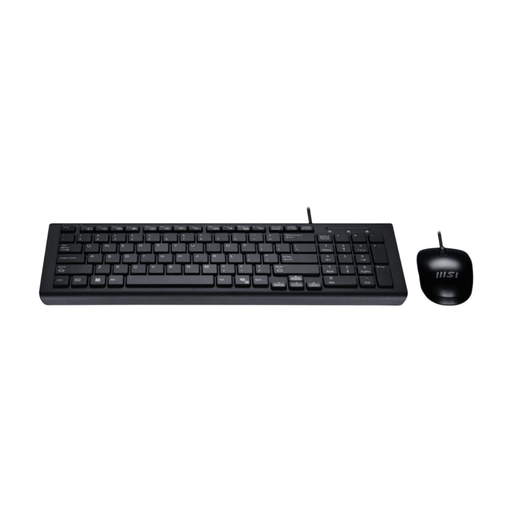
MSI GK-701 Office USB Keyboard and Mouse Set, UK Layout, CoPilot Key, Black
This USB set suits a fixed writing desk if you also need a mouse. The name specifies a UK layout and CoPilot Key; check your available USB connection and desk space, particularly if you only need a keyboard.
View on Joybuy
 No image available
Hyper® HyperSpace Next Bluetooth Wireless Keyboard (UK), White
Consider this Bluetooth model if wireless connection is a priority and your desk can accommodate the keyboard. Confirm the physical UK key arrangement and assess typing noise if you will write near others.
View on Joybuy
Questions about choosing a keyboard
Should I choose a UK-ISO keyboard?
Choose a UK-ISO layout if that is the physical key arrangement and symbol placement you normally use. Logitech describes ISO as standard across the UK and Europe, but a QWERTY or “International” label alone does not establish the exact arrangement: check the variant and photographs.
Will an ergonomic keyboard resolve hand or wrist pain?
Do not rely on an ergonomic keyboard as a treatment for pain. The NHS notes that repetitive activities such as typing can be associated with repetitive strain injury; position the keyboard so you can type with straight wrists, and seek GP advice if symptoms persist or worsen.
What should I check before buying a wired keyboard for my laptop?
Match the keyboard’s connector to a port on your laptop and check the exact key layout. Dell lists USB Type-A for its English-UK KB216; if your laptop lacks that port, you may need a compatible adapter or dock. Confirm the UK variant rather than assuming another KB216 listing has the same layout.
How should I dispose of an old keyboard?
Check your local authority’s electrical-waste collection arrangements or a retailer’s take-back options before disposing of it. GOV.UK describes electrical and electronic equipment as regulated to reduce waste; confirm which collection route is available to you.


