Single-computer, two-screen planners
If both displays connect to one computer, you can focus on a familiar UK layout, the space beside your mouse and the keys you use for lesson plans, slides and school systems.


If both screens run from one computer, choose a keyboard for your typing, UK layout and available desk space; the second screen does not itself call for device switching. A multi-device keyboard makes more sense when you type on separate computers or a tablet. For longer planning sessions, consider the whole workstation too: the Health and Safety Executive advises keeping the keyboard central and just below elbow height.
If both displays connect to one computer, you can focus on a familiar UK layout, the space beside your mouse and the keys you use for lesson plans, slides and school systems.
If you move your typing between separate computers or a tablet, check the keyboard’s device-switching controls and compatibility with each device. Two monitors connected to one computer are a different setup.
If writing and editing take up extended sessions, balance mouse room and number-pad access with the wider workstation setup. The Health and Safety Executive advises placing the keyboard centrally and just below elbow height.
Establish whether you are typing on one computer or switching between devices before choosing a connection. Then weigh the keyboard’s layout and desk footprint against your usual writing and number-entry tasks.
| Concern | What to check | Who this matters to |
|---|---|---|
| Switching devices | Check whether you type on separate host devices; if so, confirm the switching method and compatibility with each one. | If I move between a school laptop and another computer or tablet, I need one keyboard to follow my work. Around 40% of consumers put separate-device switching first. |
| Comfort during writing | Consider key feel, noise and keyboard angle alongside desk, chair and screen position. | Long stretches of drafting and editing make a comfortable typing setup more important to me than extra connections. Sustained writing is the primary concern for around 40% of consumers. |
| UK layout and desk space | Confirm the exact UK key variant, then decide whether a number pad is worth the extra keyboard width. | I want familiar key placement and enough mouse room, but frequent entry of dates or marks could make a number pad useful. Around 20% of consumers put these layout and desk needs first. |
Two displays attached to one computer still use one keyboard host, so switching controls add little to that setup.
Identify the computers and tablets you actually type on before choosing a multi-device model.
Regional variants can differ in punctuation keys and key placement, even when the model name looks familiar.
Check the precise variant for English-UK, UK QWERTY or UK ISO, as applicable, rather than relying on a photograph.
A tenkeyless keyboard omits the integrated number pad. That trade-off matters if lesson planning involves frequent entry of dates, marks or spreadsheet figures.
Compare how often you use a number pad with how much room you need for the mouse.
If your numerical work changes, using a separate keypad may become an extra desk-space consideration.
Screen, chair and desk positions still affect how you sit and reach while planning.
Follow the Health and Safety Executive’s guidance to keep the keyboard central and just below elbow height, and adjust the wider setup as needed.
Its MX Keys S is relevant if lesson planning involves separate computers or tablets, rather than two monitors on one computer.
An option to examine if you want a UK-ISO mechanical keyboard with a choice of connection methods.
Its STREAM range includes formats for single-computer desks and a separate multi-device option.
Its wired keyboard range includes full-size options for planning at one computer.
These options cover a UK-layout USB keyboard-and-mouse set for a planning desk and a full-size wireless keyboard. If you need to move between separate computers, confirm device-switching support for the exact product before choosing it.
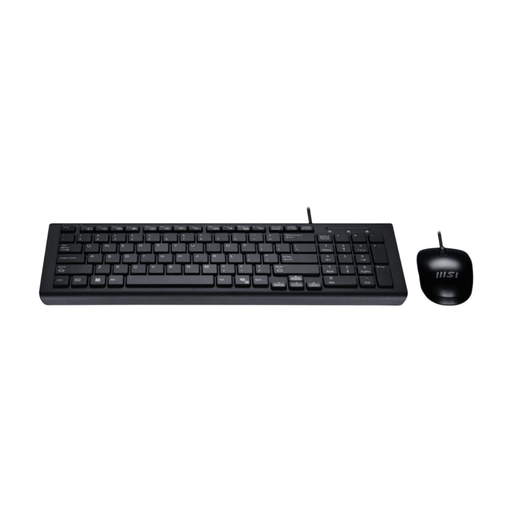 No image available
Consider this set for a single-computer planning desk where you also need a mouse.
 No image available
Consider this full-size wireless option if you prefer to keep a cable off the planning desk.
No, not if both displays connect to the same computer. Look for device switching only if you also need to type on another computer or tablet, and check compatibility with each device.
A full-size layout is worth considering if you use a number pad regularly for marks, dates or spreadsheet figures. A tenkeyless layout trades that integrated pad for more room beside the keyboard; CHERRY describes its STREAM TKL as a number-pad-free model.
Place the keyboard centrally and just below elbow height, as advised by the Health and Safety Executive. Arrange the screens, chair and desk together so that working across the displays does not require sustained twisting.
Check the exact product variant for English-UK, UK QWERTY or UK ISO, as applicable. Similar model names do not establish identical key layouts; Dell, for example, explicitly identifies its English-UK QWERTY variant of the KB216.