Cross-device quiz creators
If you draft questions on a laptop and review them on a tablet or phone, check device compatibility and how the keyboard switches between paired devices.


Check the physical layout and connection method before choosing a keyboard for vocabulary quizzes. A compact, quiet model may suit work across devices or in a shared room; a configurable keyboard may suit repeated commands at a desk; and a full-size model makes more sense if you regularly enter marks or scores on a number pad. For longer writing sessions, the desk setup matters alongside the keyboard.
If you draft questions on a laptop and review them on a tablet or phone, check device compatibility and how the keyboard switches between paired devices.
If you prepare quizzes in a classroom, library, shared home or more than one location, key noise, carrying size and available desk space may shape your choice.
If you spend long stretches writing prompts, distractors and answer keys, consider the key layout, useful shortcuts and where the keyboard will sit in your workstation setup.
Start with the keys and devices you need to use, then decide whether portability, a workable desk setup or dedicated workflow keys should shape the keyboard.
| Concern | What to check | Who this matters to |
|---|---|---|
| Layout and compatibility | Check the selected physical layout against your operating-system setting, and confirm how the keyboard connects to your device. | If I frequently correct punctuation and symbols in quiz questions, I want the printed keys and device settings to agree. Around 33% of consumers put layout and connection compatibility first. |
| Device switching and portability | Check supported devices, switching controls and whether the exact model is described as quiet if you work near others. | When I move between a laptop and tablet or type in a shared room, I need a keyboard I can carry and use without disrupting others; around 27% of consumers prioritise that flexibility. |
| Long-session setup | Check whether the keyboard can sit centrally at a suitable height; for prolonged laptop work, consider a separate keyboard and mouse. | Writing and checking a large set of questions keeps me at the desk for some time, so I care about arranging my screen, keyboard and mouse comfortably. A workable setup comes first for around 27% of consumers. |
| Shortcuts and numeric entry | Identify commands you would remap and confirm software compatibility; check for a dedicated number pad if you enter marks frequently. | If I repeatedly use editing commands or enter scores, I want keys that fit those tasks rather than carrying the smallest board. Around 13% of consumers make shortcuts or numeric entry their primary concern. |
A keyboard family may be sold with different physical layouts. If the selected keys and your device setting differ, entering symbols while editing quizzes can become awkward.
Check that the selected variation—not only the listing title or photo—has the layout you want, then set the operating system to match.
Bluetooth, a wireless receiver and a cable place different requirements on the device. The number of devices a keyboard can remember also varies by model.
Check your device’s Bluetooth capability, the keyboard’s operating-system support and which connection accessories come with the selected version.
A Windows device without Bluetooth may need a USB Bluetooth adapter to pair a Bluetooth keyboard.
Long typing sessions also depend on where the screen, keyboard and mouse sit. The Health and Safety Executive advises placing the keyboard centrally and just below elbow height.
Arrange the workstation before judging key feel. For prolonged laptop use, consider a separate keyboard and mouse so the screen can be raised.
A tenkeyless keyboard has no dedicated number pad, which may matter if marking or spreadsheet entry is a regular part of preparing quizzes.
Think through how often you enter numbers before choosing a compact or tenkeyless layout over a full-size board.
Relevant to compact keyboards for people who prepare quizzes across devices or work in shared spaces.
Relevant to shoppers looking at UK-ISO variants, connection choices or configurable keys.
Relevant to desk-based workflows where a full-size layout and dedicated productivity keys matter.
These choices include full-size UK-labelled keyboards and mechanical models with different layouts and connection options. Match the selected physical variant and supported devices to the way you prepare quizzes.
 No image available
Consider this full-size, UK-labelled keyboard if you prepare quizzes at a desk and want a wireless connection. Check the selected physical layout against your device settings before buying.
 No image available
Consider this model if you want a mechanical keyboard with a choice of wired, Bluetooth or 2.4G connection. Its stated US layout is an important check if you expect UK key legends and symbol positions.
 No image available
This UK-labelled Bluetooth keyboard is worth considering for desk-based quiz writing. If you will type in a shared room, check whether its key noise suits the space; do not choose it on an assumption that it types quietly.
 No image available
The 96 layout may appeal if you want a mechanical board for desk-based quiz work. Although the product title says UK Layout, confirm the physical keys on the selected variation before relying on UK legends.
 No image available
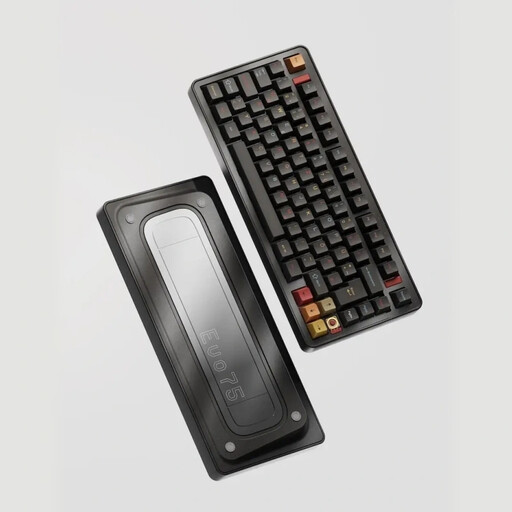
Consider this configurable mechanical model if repeatable commands matter to your quiz-writing workflow. The title specifies a US layout and VIA compatibility; check that its configuration software and connection behaviour suit the devices you intend to use.
Choose physical keys that match the layout you intend to use, particularly if you often type punctuation and symbols. Keychron lists UK-ISO variants of the B1 Pro and K1 Max, so check the selected variation rather than relying on a photo of the product family.
It will need a Bluetooth-capable laptop or a suitable adapter. Microsoft says a Windows device needs Bluetooth to pair with a Bluetooth keyboard; also check the keyboard’s operating-system support before choosing it.
Yes, if its layout suits your typing and you can arrange the workstation comfortably. The Health and Safety Executive advises keeping the keyboard central and just below elbow height; for prolonged laptop use, it advises a separate keyboard and mouse so the screen can be raised.
Look for an appropriate electrical-equipment recycling or retailer take-back option rather than assuming the keyboard belongs in general waste. GOV.UK defines electrical and electronic equipment by its dependence on electric currents or electromagnetic fields to work properly.