
24/7 全天候客户支持

免费退货

当日/次日达

品质保障

开启新人专享福利: 全场免邮 | 低至 2 折 | 免费试用 30 天 JoyPlus 会员
下载 Joybuy
As a Joybuy Product Recommendation Officer, my role is to help you navigate the often-overwhelming world of children's products. When it comes to kids' arts and crafts, the shelves are packed with brightly coloured boxes all promising hours of creative fun. Yet, as many parents know, the reality can be a five-minute activity followed by a mountain of mess and a box of single-use plastic destined for the loft.
Choosing the right creative kits for children involves looking past the marketing hype. Many of us have fallen into common purchasing traps that lead to wasted money and disappointed little ones. Before you buy another set, let's look at the pitfalls to avoid.
To ensure you are investing in quality screen-free activities rather than future clutter, focus on a few core parameters. These will help you find engaging, reusable and genuinely fun kids' arts and crafts.
Instead of focusing on the number of pieces in a box, assess their quality and potential for reuse.
For those essential rainy day activities for kids, mess containment is paramount. Go beyond the "washable" claim and look for specific features that minimise clean-up.
Consider whether you are buying a single project or a tool for ongoing creativity.
Based on these practical criteria, we've matched some standout options to different family needs.
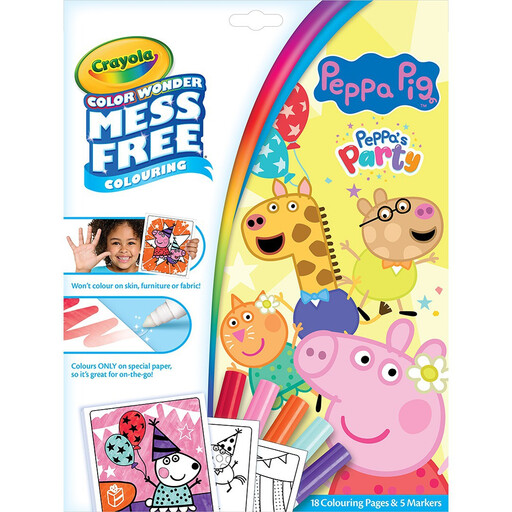
Why This Fits Their Persona: This is the ideal solution for parents of young children (3+) who need a guaranteed clean activity. It's perfect for keeping a toddler occupied during a sibling's naptime, on a train journey or while visiting relatives, as there is zero risk of marking furniture or clothes.
It directly counters the "Hidden Mess Factor." The ink is genuinely invisible on any surface other than the special Colour Wonder paper, offering complete peace of mind that goes far beyond a simple "washable" claim.
The magic-reveal element is highly engaging for young children. The system is self-contained and portable, making it an excellent travel activity.
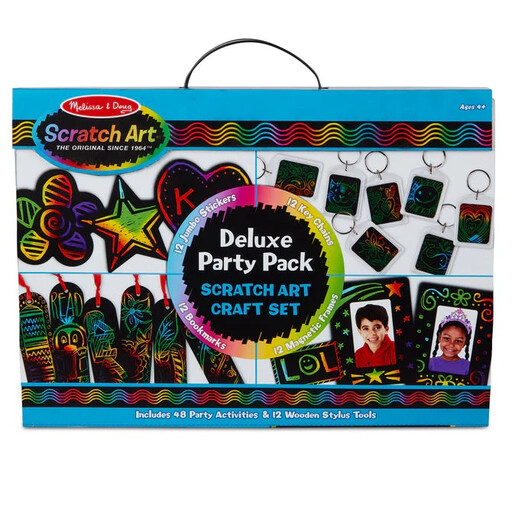
Why This Fits Their Persona: For anyone organising a birthday party, a playdate, or looking for bulk **kids party bag fillers**, this pack offers exceptional value. It provides enough materials for a large group of children to each create multiple items like keychains, magnets and bookmarks.
This pack avoids the "All-in-One Kit Illusion" by delivering exactly what it promises: a high volume of a single, engaging activity. With 48 projects and 12 styluses, it's genuinely designed for sharing, not for disappointing a single user with tiny portions.
The activity is simple enough for a wide age range (4+) but still satisfying for older kids. The mess is minimal (just light, sweepable residue) and each child leaves with a durable, personalised keepsake.
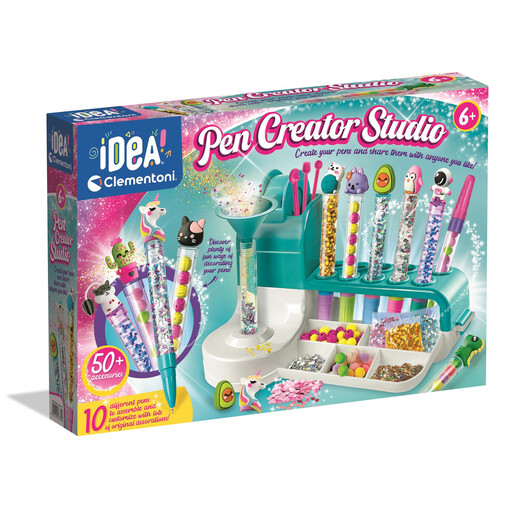
Why This Fits Their Persona: For children who love construction, personalisation and creating functional items. This kit moves beyond simple colouring and allows them to design and build their own usable pens, providing a strong sense of accomplishment and a practical result they can use at school.
It avoids the "Vague Age-Range" trap by being clearly targeted at children aged 6-10. The fine motor skills and patience required for assembly are appropriate for this group, ensuring the activity is challenging but not frustrating. It also provides high replay value through customisation.
This kit combines artistic expression with basic engineering principles. The included workstation helps keep the many small components organised during the crafting process.
We have compiled a complete, real-time list of products that fully satisfy these strict selection criteria and UK safety regulations.
At age five, children are developing more refined motor skills and a longer attention span. The most engaging activities offer a balance of structure and freedom. Open-ended children's art supplies like chunky paint sticks, large crayons and washable watercolour sets are excellent for fostering imagination. For more guided fun, look for age-appropriate DIY craft sets like scratch art or simple diamond art kits that provide a satisfying and visually impressive result.
"Educational" extends far beyond letters and numbers. Crafting is inherently educational as it develops crucial skills. Assembling a kit teaches children to follow sequential instructions. Using scissors, placing small beads, or colouring within lines hones fine motor skills. Mixing paints or choosing colour palettes introduces them to colour theory. Any activity that encourages problem-solving, planning and creative expression is a valuable learning tool.
This is a common point of confusion. "Washable" typically means the product can be removed from most machine-washable fabrics and non-porous surfaces like sealed tables or plastic. However, it is not a guarantee. Porous surfaces like unsealed wood, grout or certain wallpapers can still be stained permanently. For absolute peace of mind, especially with very young children, it is always advisable to use a protective mat or opt for truly mess free colouring systems where the ink only works on specific paper.