
24/7 Customer Support

Free returns

Same-day & Next-day Delivery

Quality Guaranteed

Unlock Your Welcome Offers: FREE Delivery | Up to 80% OFF | Free 30-day JoyPlus trial
Download the APP
By Joybuy Product Recommendation Officer
Choosing kids’ arts and crafts kits can seem straightforward until you open the box and discover missing tools, tiny pieces unsuitable for the child’s age or an activity that takes five minutes to complete. Parents, grandparents and gift-givers often want a creative present that is entertaining, manageable at home and suitable for a birthday, Christmas or rainy afternoon.
The right choice depends less on colourful packaging and more on the kit’s age guidance, materials, number of projects and the level of adult involvement required.
Some creative activity sets look substantial but contain only a small quantity of usable materials. Check whether the box includes the required boards, threads, clasps, templates, tools or storage. A kit that needs several extra purchases may cost considerably more than expected.
Beads, charms and diamond drills can present a choking risk. Always follow the manufacturer’s stated age range rather than relying on a child’s general craft ability. For UK buyers, look for clear safety information and relevant conformity markings, such as CE or UKCA, on the packaging where applicable. Children under the specified age should not use the product, even with casual supervision.
Some activities also involve extra hazards. For example, ironing beads require an adult to use the iron, while jewellery-making kits may include sharp or stiff components that need closer guidance.
A detailed diamond painting may suit a patient older child, tween or adult, but frustrate a young child looking for quick results. Conversely, simple peel-and-press foil art may feel too basic for someone who wants to design wearable accessories. Consider how long the child normally stays engaged and whether they prefer bead art kits, jewellery, character designs or decorative pictures.
Start with the stated age recommendation and warning label. Children’s craft kits containing small beads are generally not appropriate for under-threes. For older children, check whether the process involves threading, cutting, water activation, adhesive, heat or fine diamond drills.
A kit for a four-year-old should have clear templates and simple steps. A jewellery-making toy for an eight-year-old or teenager can offer more components and design freedom, but may need better organisation to prevent pieces being lost.
Look for measurable information such as bead quantity, number of templates or the number of finished pieces. For example:
These details make it easier to compare value without relying on vague phrases such as “endless creativity”.
Storage matters in smaller UK bedrooms and family homes. A carry case or divided tray can help keep beads together between sessions. Also check whether the activity is reusable or mainly designed for one set of finished creations.
Aquabeads kits can be expanded with compatible refills, while jewellery sets may run out of elastic or clasps after the included projects. Diamond painting kits typically create a single decorative piece, making them more suitable for a focused hobby session than repeated free-form play.
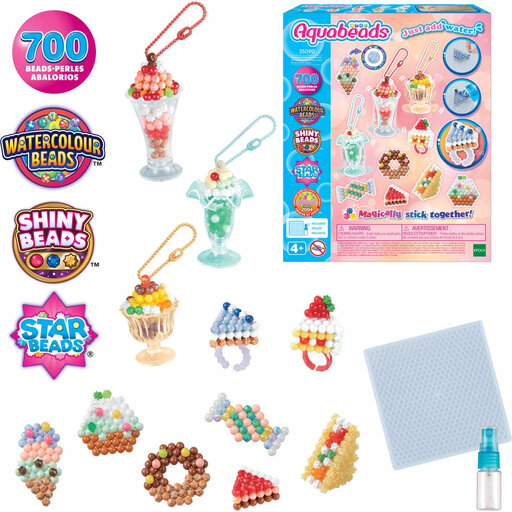
Why This Fits Their Persona: A compact option for children aged 4 and above who want a themed activity without batteries, glue or heat.
The water-activated process is clearly defined, so buyers are less likely to discover that extra glue or heat is needed.
Includes colourful, shaped beads for sweet-themed designs and is compatible with other Aquabeads sets.
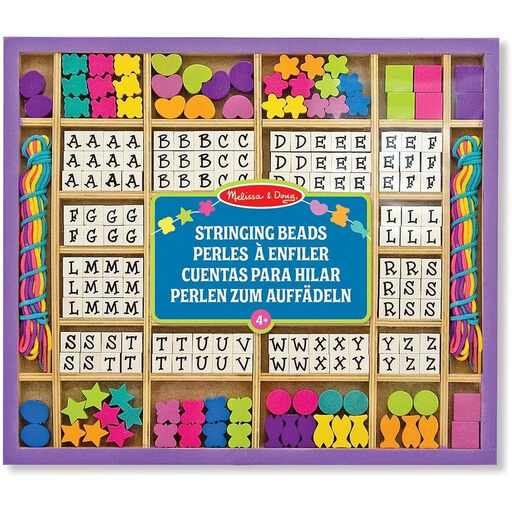
Why This Fits Their Persona: Suitable for children from age 4 who enjoy personalised jewellery, sorting and making gifts for family or friends.
The listed contents specify more than 200 beads, eight cords with clasps and a divided wooden tray, making the scope of the set easier to assess.
Alphabet beads from A to Z and multiple shapes support names, messages, bracelets, necklaces and tags.
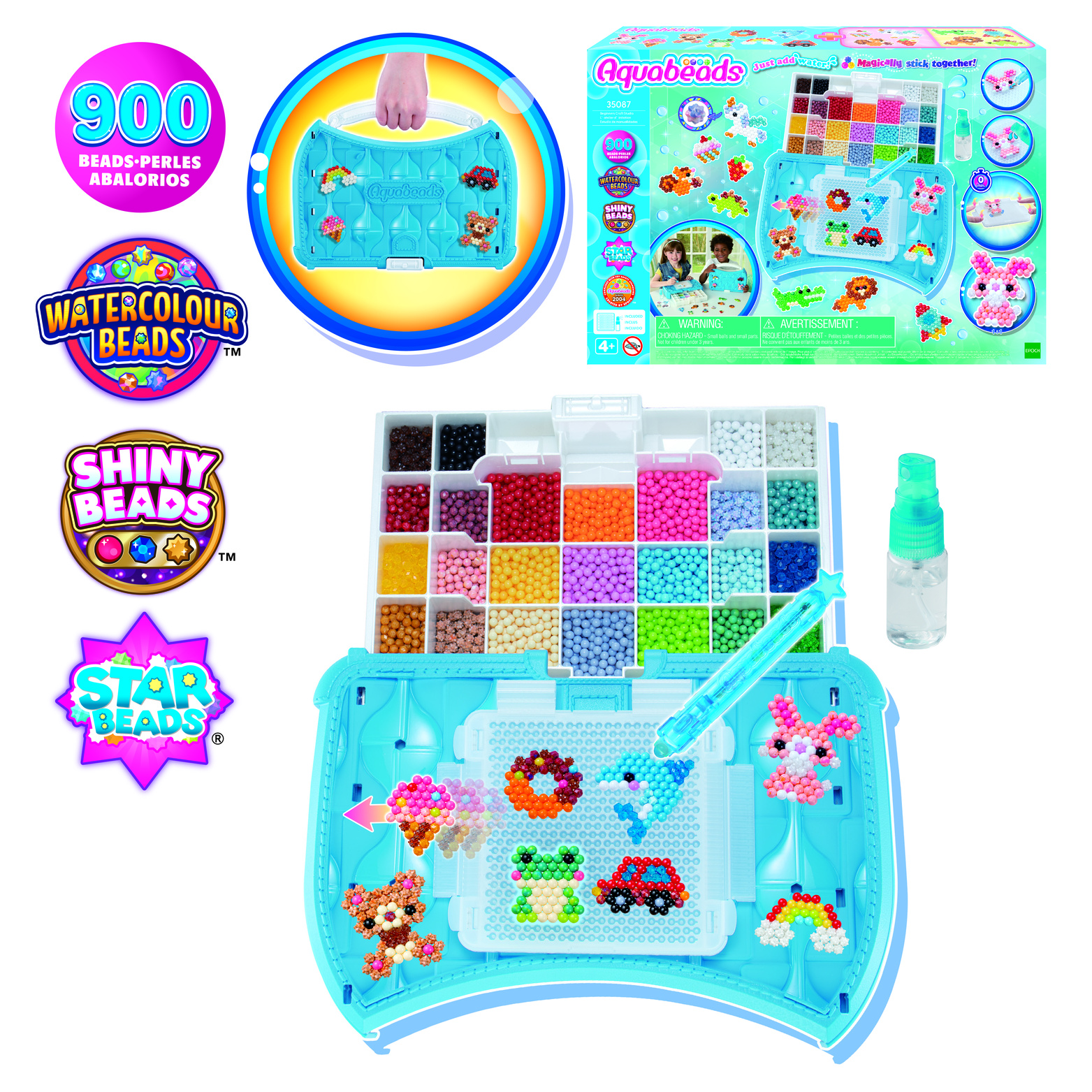
Why This Fits Their Persona: A practical choice for regular crafters aged 4 and above who want a broad colour selection and a tidy way to store supplies.
The 900-bead contents and two template collections provide more scope than a single-project pack, while the case helps reduce lost pieces.
Includes classic, jewel, polygon and watercolour beads, plus templates and portable storage.

Why This Fits Their Persona: The 30 × 40 cm London-themed design suits older children, tweens, teenagers and adults seeking a longer, display-focused project.
The product title states the finished size and full round-drill format, giving buyers useful information about the project’s scale before purchase.
London sunset artwork and crystal-style round drills create a decorative craft project without batteries.
We have compiled a complete, real-time list of products that fully satisfy these strict selection criteria and UK safety regulations.
Some are labelled for ages 3 and over, but suitability varies by design. Jewellery-making kits, bead art kits and other products containing small parts require direct adult supervision. Always follow the individual product warning and remove packaging before use.
Water-activated bead systems and peel-and-press foil activities generally avoid glue, paint and loose glitter. The Ocean Series Foil Art Craft Kit uses a peel, press and reveal process and is designed for children aged 4 to 10. It is still sensible to protect the work surface and store the materials afterwards.
It depends on the type. Aquabeads kits may support separately sold refills, while jewellery-making toys can eventually need additional thread, clasps or beads. Diamond painting kits are usually planned around one finished artwork. Check the original contents and compatibility details before choosing a kit for frequent use.