
24/7 Customer Support

Free returns

Same-day & Next-day Delivery

Quality Guaranteed

Unlock Your Welcome Offers: FREE Delivery | Up to 80% OFF | Free 30-day JoyPlus trial
Download the APP
Baths, paddling pools, beaches and gardens all offer different types of water play. However, choosing suitable kids’ bath and water toys is not simply a matter of picking the brightest colours or the largest set. The right product should match a child’s age, play environment and ability, while remaining practical to clean and store.
A multi-pack may look economical, but unused pieces, repeated designs and difficult-to-clean parts can quickly turn into bathroom clutter. For younger children, a few easy-to-grip toys may provide more useful play than a large collection.
Check whether the set offers different activities, such as stacking, scooping, floating or sensory play. Also consider how easily the toys can be stored and dried between uses.
Traditional squirter bath toys often have small openings that draw in bath water. If the water cannot be fully removed, moisture may remain inside between uses. This can create an unpleasant cleaning problem over time.
For regular use, consider watertight or hole-free designs. If you choose an open squirter, squeeze out excess water after every bath, rinse it periodically with warm soapy water and allow it to dry fully in a well-ventilated place.
A toy may be enjoyable for older children but unsuitable for babies because of small parts, long cords, hard mechanisms or a recommended age that does not match the child’s development. Inflatable products and pool accessories also require supervision and should never be treated as flotation devices unless specifically designed and labelled for that purpose.
Always read the packaging, age guidance and warnings. For toys sold in Great Britain, check for the appropriate CE or UKCA conformity marking, manufacturer information and safety instructions. Northern Ireland may have additional marking requirements, so follow the product label and current UK guidance.
For baby bath toys and bath toys for babies, look for lightweight shapes that are easy to grasp without sharp edges or detachable components. Products such as floating bubbles, stacking boats and sealed sensory toys can suit early water exploration when used under constant adult supervision.
For toddlers, numbered cups, pouring toys and squeeze toys can introduce simple cause-and-effect play. Children aged three and above may also enjoy bath crayons, outdoor water games and beach balls, provided the product’s warning information is followed.
“BPA-free bath toys” can be a useful specification, but it is only one part of the buying decision. Also check whether the product is listed as phthalate-free, PVC-free or made from food-grade silicone where relevant. These descriptions refer to material composition; they do not remove the need for supervision or cleaning.
A no-hole design or sealed construction can reduce the chance of water entering the toy. Dishwasher-safe cups may simplify cleaning, while silicone toys can often be washed with warm soapy water. Avoid storing any bath toy while it is still wet.
Bath toys are designed for a tub or shallow water play, whereas outdoor water toys, water blasters and inflatable pool toys are intended for gardens, beaches or pools. Check whether a hose, pump, batteries or USB charging is required before buying.
For inflatable products, inspect valves and seams before use, inflate according to the instructions and keep sharp objects away. A beach ball or pool float is not a substitute for a buoyancy aid or adult supervision.
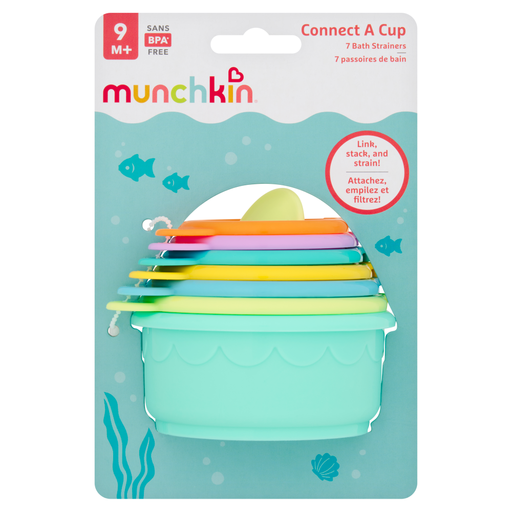
Why This Fits Their Persona: A versatile starting set for families wanting several types of bathtime play without buying separate stacking, pouring and straining toys.
The cups are open and can be rinsed, dried and stacked, avoiding the trapped-water problem associated with sealed squirters.
Seven numbered, connecting cups; BPA-free plastic; dishwasher-safe design.
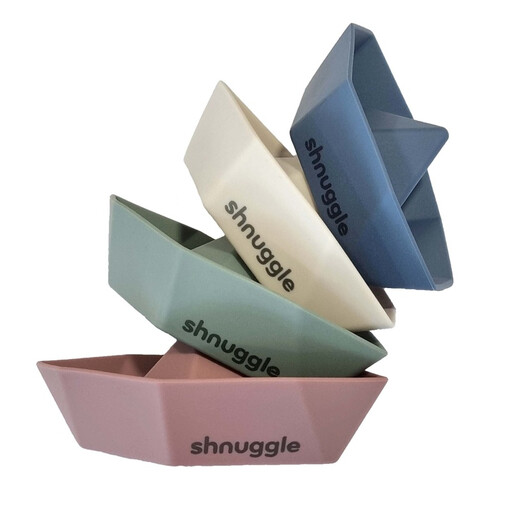
Why This Fits Their Persona: Suits parents who prioritise simple maintenance, tactile materials and compact storage for everyday baby bath routines.
The single-piece, no-hole construction is designed not to retain water internally, reducing a common mould concern.
Four stackable boats; food-grade silicone; BPA-, phthalate- and PAH-free material.
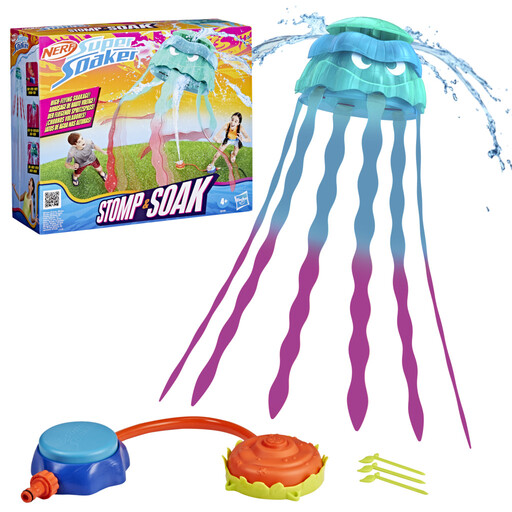
Why This Fits Their Persona: Designed for active garden play, family gatherings and summer water games where children need a larger, interactive setup.
The product description clearly states that a standard garden hose is required and that adult assembly is needed, helping buyers plan before purchase.
Stomp-operated launch pad; 360-degree water spray; suitable from age four.
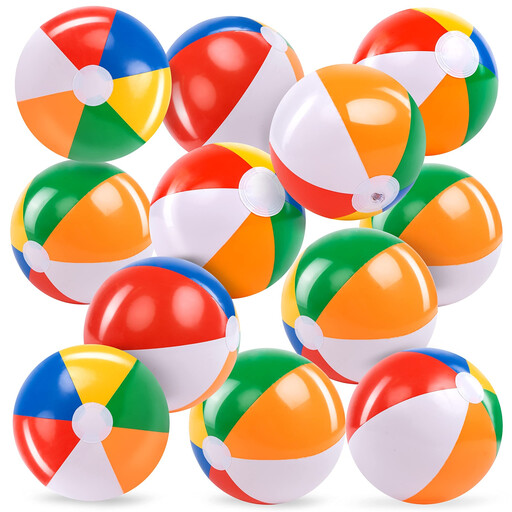
Why This Fits Their Persona: A practical option for parties, group activities and travel, particularly when a lightweight toy is needed for poolside or beach play.
The pack size is stated clearly, as is the over-36-month age guidance, so buyers can assess quantity and suitability before ordering.
Twelve inflatable 12-inch beach balls; lightweight construction; deflates for travel and storage.
We have compiled a complete, real-time list of products that fully satisfy these strict selection criteria and UK safety regulations.
Lifespan depends on material, frequency of use, storage and handling. Silicone stacking toys and sealed floating toys may remain usable for longer when cleaned and dried correctly, while inflatable products can be affected by punctures, heat and rough surfaces. Inspect every item before use and replace it at the first sign of damage.
They may be suitable when the age guidance matches the child, but open squirters need careful drying because water can remain inside. For younger babies, sealed floating bath toys or no-hole silicone designs can be simpler to maintain. Adult supervision within arm’s reach remains essential.
Most baby bath toys, floating bath toys and stacking cups use no electricity. Manual water blasters use the water placed in their tanks, while hose-connected toys use a continuous garden-hose supply. Electric water blasters require charging and should only be used according to their stated age, charging and water-resistance instructions.