
24/7 全天候客户支持

免费退货

当日/次日达

品质保障

开启新人专享福利: 全场免邮 | 低至 2 折 | 免费试用 30 天 JoyPlus 会员
下载 Joybuy
Choosing a child's first bike is a memorable moment, but it can also be a confusing one. With so many options available—from a toddler bike to a pedal bike with stabilisers—it’s hard to know where to start. You want something safe, durable and perfectly sized, but the technical details can be overwhelming.
This guide is designed to help you make an informed choice. We'll walk through the key considerations for selecting a first bike for kids and share some of our top recommendations to help you find a ride your child will love.
Before looking at specific models, understanding a few key principles will make your decision much easier.
This is the most common question parents face. There is no single right answer, as it depends on the child's development and your preference.
adjustable toddler bike in this style can last for several years.Bike sizing for children is not based on age but on inseam measurement. A correctly sized bike allows the child to place their feet comfortably on the ground while seated, which is crucial for confidence and safety.
12 inch bike (for ages 2-4) or a 14 inch bike (for ages 3-5), where the measurement refers to the wheel diameter.lightweight kids bike is much easier for a small child to handle, manoeuvre and pick up after a fall. Look for frames made from materials like aluminium.Here are a few standout options that cater to different ages and stages of learning.
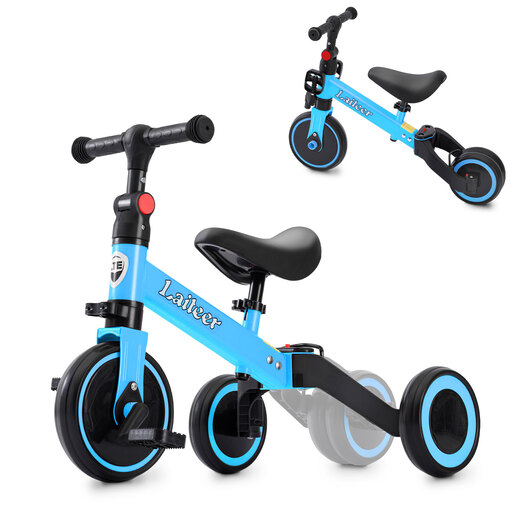
balance bike for learning coordination and can even be used as a two-wheel pedal bike. The pedals are removable, making transitions simple.toddler bike.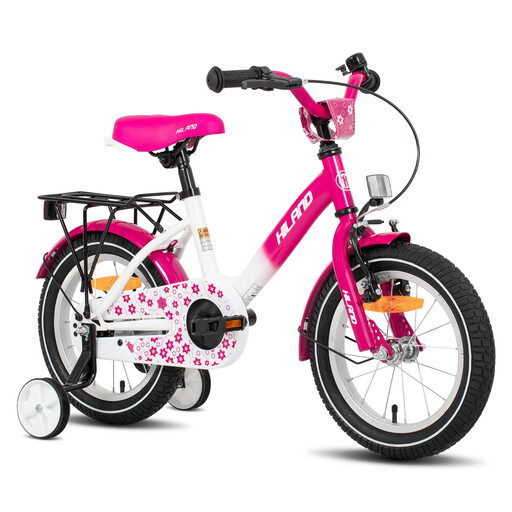
first bike for kids, built with safety as the primary focus. It features two independent braking systems—a front V-brake and a rear coaster brake—giving children multiple ways to stop safely.boys bike and a girls bike.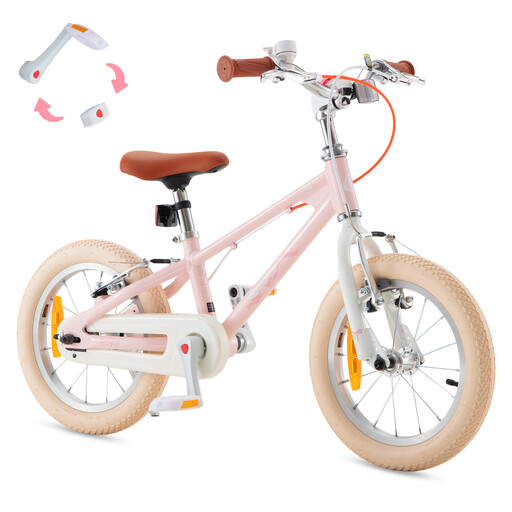
lightweight kids bike for children aged 3-5. Its innovative 2-in-1 design is perfect for children who have used a balance bike or for those who want a seamless way to learn pedalling without stabilisers.Every child is unique, and the perfect bike for them might be a different size, colour or style. If you haven't found the ideal match here, there are many more choices to consider.
Explore our full range of Children's Bikes at Joybuy to find the perfect ride.
1. What is the right age to get a first bike? There's no magic age, as it depends more on a child's physical development and confidence. Some children are ready for a balance bike as early as 18 months. Typically, children are ready to try a 12 inch bike with pedals and stabilisers between the ages of 3 and 4.
2. How do I know if the bike is the right size for my child? The most reliable method is to measure your child's inseam. When they sit on the saddle, they should be able to place the balls of their feet on the ground for a pedal bike, or their feet flat on the ground for a balance bike. Their knees should have a slight bend when the pedal is at its lowest point.
3. Are lightweight bikes really that important for kids? Yes. A lighter bike is easier for a child to balance, steer and control. It's also less of a struggle for them to pick up if they fall, which builds confidence. A bike that weighs more than 40% of a child's body weight can be very difficult for them to manage.