
24/7 Customer Support

Free returns

Same-day & Next-day Delivery

Quality Guaranteed

Unlock Your Welcome Offers: FREE Delivery | Up to 80% OFF | Free 30-day JoyPlus trial
Download the APP
Watching a child ride their first bike is a milestone moment. But the journey to get there can be confusing. The market is filled with countless options, and it's easy to make a purchase that leads to frustration for both you and your little one. As a Joybuy Product Recommendation Officer, my role is to help you navigate the choices by focusing on what truly matters for a safe and enjoyable experience.
Many parents fall into a few common traps. First, they choose a bike that is far too heavy. A heavy steel frame, while seemingly durable, can be difficult for a small child to control, leading to more tumbles and less confidence. Second, they rely on age recommendations alone, which are often misleading. A bike that's the wrong size is not just uncomfortable; it's unsafe. Finally, they overlook adjustability, buying a bike that their child will outgrow in a single season, representing poor value for money.
This guide will help you avoid these pitfalls by focusing on the core features that ensure safety, longevity and, most importantly, fun.
Before you start looking at colours and accessories, it's crucial to understand the three technical aspects that define a good kids bike.
Forget the age ranges you see on the box. The single most important factor for choosing the right size bike is your child's inside leg measurement (inseam). A correctly sized bike allows the child to place both feet flat on the ground while straddling the top tube. This is essential for stability and building confidence.
How to Measure:
Use this measurement to check against the bike's saddle height range. The lowest saddle height should be equal to or slightly less than their inseam. This ensures they can start with their feet firmly on the ground and raise the seat as they become more confident. This is a far more reliable method than just looking for a 14 inch kids bike based on age alone.
A child's bike should ideally weigh no more than 40% of their body weight. Many budget bikes use heavy steel frames, which can make a toddler bike surprisingly difficult to handle, pedal and pick up after a fall.
Look for frames made from lightweight aluminium alloy. While sometimes slightly more expensive, an aluminium frame makes the bike significantly easier for a child to manoeuvre. This lightness translates directly into more control, faster learning and a more enjoyable riding experience, especially for their very first bike.
There are three common starting points for a young cyclist, each with its own approach to learning.
Many modern bikes now offer convertible designs, starting as a balance bike and allowing you to add pedals later, offering a versatile path forward.
Based on these practical criteria, we've identified several models that are well-suited to different needs and priorities.
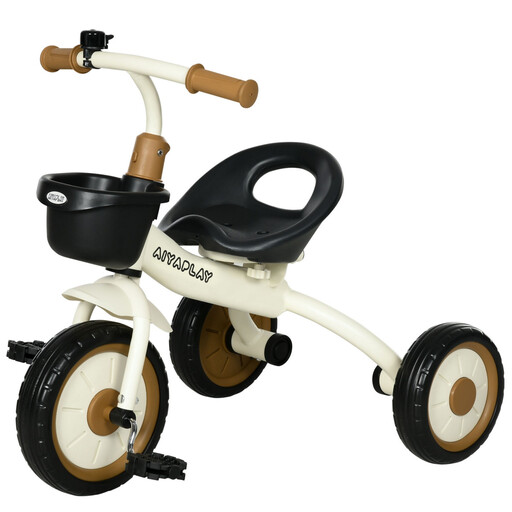
Why This Fits Their Persona: For parents who want a simple, stable, and fun introduction to pedalling for a toddler. This classic kids tricycle is perfect for garden play and short trips, building confidence without the immediate challenge of balancing.
It focuses on one skill—pedalling—in a stable three-wheel format, avoiding the frustration of a heavy, poorly sized two-wheeler for a very young child.
Features an adjustable seat to grow with your child and includes a basket and bell for added fun. The robust metal frame is built for toddler use.
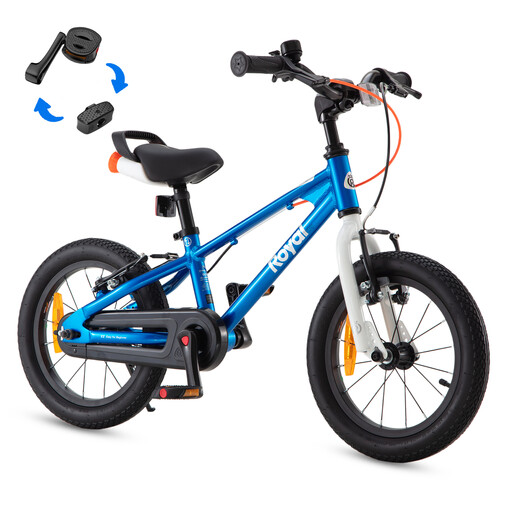
Why This Fits Their Persona: Ideal for parents seeking a high-value, long-term solution. This boys bike is designed to adapt, serving as both a balance bike and a pedal bike, ensuring it remains useful for years.
It directly counters the "outgrowing it too fast" pitfall. The 2-in-1 design and adjustable saddle/handlebars mean you are buying one bike instead of two.
Features a very lightweight (7.4 kg) aluminium frame for easy handling and a patent-pending quick-release system to switch between modes without tools.
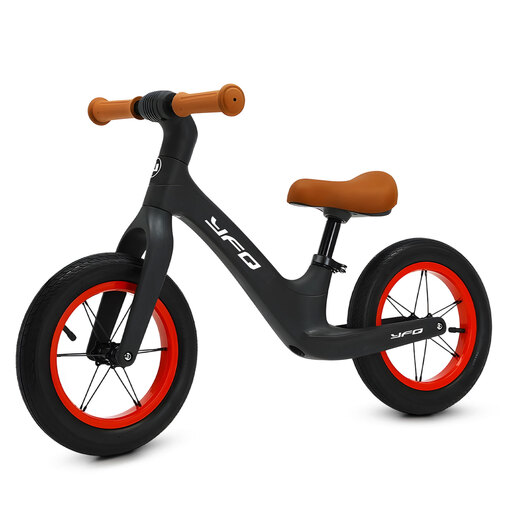
Why This Fits Their Persona: This is for the parent who is committed to the "balance first" method of teaching. It's a dedicated tool for the job, designed to be as simple and lightweight as possible to master gliding and steering.
By removing pedals and chains, it is exceptionally lightweight and simple, avoiding the trap of a heavy, complex bike that hinders the learning process.
Features an adjustable seat, air-free tyres that never go flat and a kickstand. Its sole focus is on teaching balance, making the transition to a pedal bike seamless.
We have compiled a complete, real-time list of products that fully satisfy these strict selection criteria and UK safety regulations.
The most reliable way is to measure your child's inside leg (inseam) while they are wearing shoes. The bike's minimum seat height should be equal to or just below this measurement. This allows them to stand over the bike with both feet flat on the ground, which is crucial for safety and confidence.
Neither is definitively "better," as they teach different skills. A balance bike excels at teaching balance and steering, often leading to a faster, more natural transition to a pedal bike without ever using stabilisers. A bike with stabilisers allows a child to learn to pedal and use brakes from day one but does not teach balance. Many parents find the balance-first approach more effective in the long run.
Most kids bikes sold online in the UK arrive 85-90% pre-assembled to save on shipping costs. Typically, you will need to attach the handlebars, front wheel, saddle and pedals. This process usually takes around 20-30 minutes and requires basic tools, which are often included. Always read the instructions carefully and double-check that all bolts are tight and the brakes are functioning correctly before the first ride.