
24/7 Customer Support

Free returns

Same-day & Next-day Delivery

Quality Guaranteed

Unlock Your Welcome Offers: FREE Delivery | Up to 80% OFF | Free 30-day JoyPlus trial
Download the APP
As a parent, watching your child gain confidence on their bike, scooter or skateboard is a wonderful experience. Naturally, you want to ensure they are as safe as possible while they explore. Choosing the right kids bike helmet can feel overwhelming with so many options available. This guide is designed to help you understand the key features to look for, so you can select a helmet that offers reliable protection and is comfortable enough for your child to wear without complaint.
We will walk through essential safety standards, how to achieve the perfect fit and what materials to look for. We will also share some of our top recommendations to help you make an informed decision.
Finding the right helmet goes beyond picking a favourite colour. Here are a few practical points to consider to ensure you are choosing a safe and comfortable option for your child.
In the UK and Europe, the most important standard to look for is CE EN 1078. This certification means the helmet has been tested and is suitable for pedal cyclists, skateboarders and roller skaters. It's a baseline for safety you should always confirm.
You may also come across MIPS (Multi-directional Impact Protection System). This is an additional safety feature found in some helmets. It consists of a low-friction layer inside the helmet designed to allow a sliding motion upon impact, which can help reduce rotational forces to the head during certain types of angled impacts.
A helmet is only effective if it fits correctly. A helmet that is too loose can shift during a fall and one that is too tight will be uncomfortable.
Most helmets are made with a hard outer shell, often from Acrylonitrile Butadiene Styrene (ABS) or Polycarbonate (PC) and a shock-absorbing inner layer of Expanded Polystyrene (EPS) foam. This combination provides a good balance of durability and impact absorption.
For comfort, especially during active play, look for helmets with ventilation ports to keep your child's head cool. Removable and washable inner pads are also a great feature for hygiene. If your child will be using it for various activities, a versatile kids scooter helmet or youth skateboard helmet with good ventilation is an excellent choice.
Here are a few helmets that stand out for their safety features, adjustability and child-friendly designs.
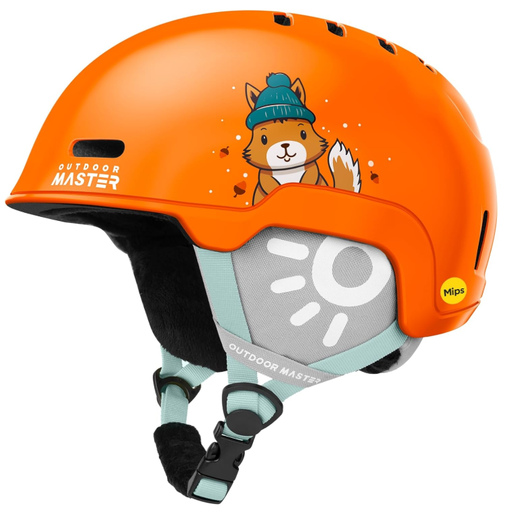
Why It Stands Out: This helmet integrates the MIPS safety system, offering an additional layer of protection against rotational forces. Although designed with skiing in mind, its lightweight in-mold construction, 12 ventilation ports and adjustable dial fit make it a superb all-rounder for year-round activities. The plush, removable liner adds a level of comfort that children will appreciate.
Pros:
Who is it for: Parents who are looking for a helmet with advanced safety features like MIPS and superior comfort for all-day wear.
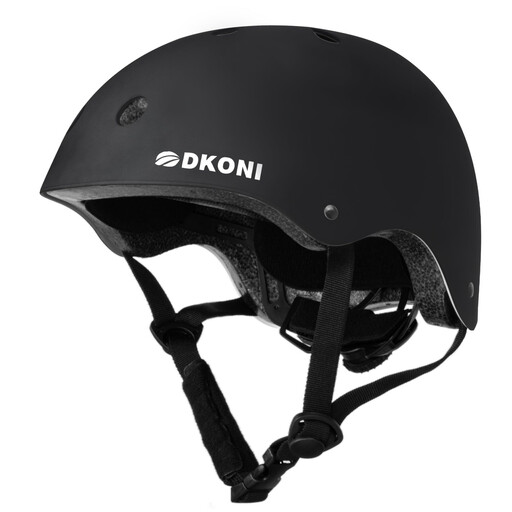
Why It Stands Out: This helmet's strength lies in its versatility. It is certified to CE1078, CPSC1203 and ASTM1447 standards, making it suitable for a wide range of sports including cycling, skateboarding and scootering. It features a tough ABS shell and is available in several sizes, making it a practical choice for toddlers, teenagers and even adults.
Pros:
Who is it for: Families seeking a no-fuss, reliable and certified multi-sport helmet that can be used by children and teenagers for various wheeled activities.
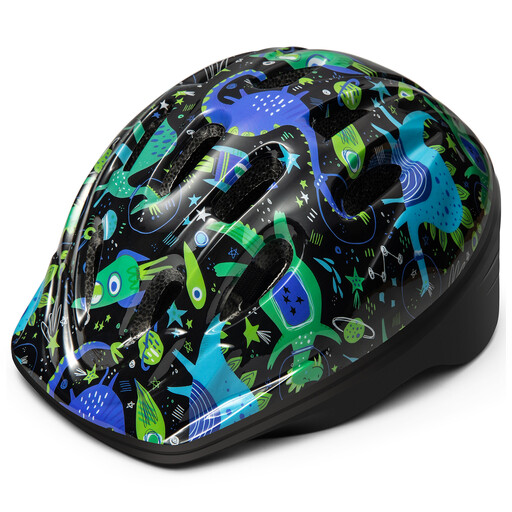
Why It Stands Out: A standout feature of this helmet is the inclusion of two different removable liners, allowing you to customise the padding for a perfect fit as your child grows. The reinforced ABS shell and shock-absorbing EPS core provide durable protection, while the smooth ventilation system keeps them cool. The fun dinosaur design is a great bonus for a boys bike helmet or girls bike helmet.
Pros:
Who is it for: Parents looking for a durable and long-lasting helmet that can adapt to their child's growth, making it a great investment for active kids.
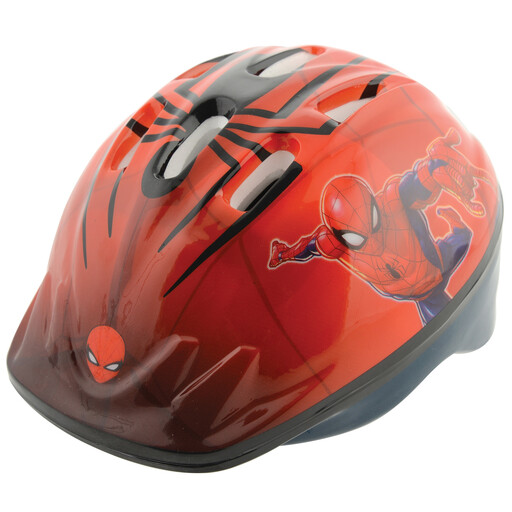
Why It Stands Out: Sometimes, the biggest challenge is getting your child to wear a helmet at all. This officially licensed Spider-Man helmet solves that problem with a fun, vibrant design. Beyond its looks, it provides essential protection with a durable outer shell, an EPS inner layer and an adjustable size dial to ensure a snug fit for head sizes 48-52cm.
Pros:
Who is it for: Parents of younger children (ages 3+) and Marvel fans who need a little encouragement to wear their safety gear. It's an excellent choice for a first toddler helmet.
These recommendations are a great starting point, but every child is different. If you are looking for different designs, sizes or features, you can explore our full range of youth helmets to find the perfect match for your little one.
To find the right size, use a flexible measuring tape to measure the widest part of your child's head—this is usually about 2cm above the eyebrows. Compare this measurement in centimetres to the sizing chart provided by the helmet manufacturer. A correctly sized helmet should feel snug but not uncomfortably tight.
A helmet should be replaced immediately after any significant impact, even if there is no visible damage, as its protective structure may be compromised. You should also replace it if it is outgrown or if any parts like the straps, pads or adjustment dial are broken or worn out. It is also generally advised to replace helmets every 3-5 years, as materials can degrade over time.
It depends on its certification. For multi-sport use in the UK, look for a helmet that meets the CE EN 1078 standard, as this covers use for pedal cycles, skateboards and roller skates. Many modern helmets are designed for multi-sport use, but it is always best to check the product specifications to be sure.