
24/7 Customer Support

Free returns

Same-day & Next-day Delivery

Quality Guaranteed

Unlock Your Welcome Offers: FREE Delivery | Up to 80% OFF | Free 30-day JoyPlus trial
Download the APP
Watching a child learn to ride a bike is a milestone. But choosing the right one can feel like navigating a maze of marketing claims and confusing specifications. As parents, we want a safe, durable and enjoyable bike, but it's easy to fall into common traps that lead to a purchase that gathers dust in the shed. This guide, from my perspective as a Joybuy Product Recommendation Officer, is designed to help you sidestep those pitfalls and select a children's bike that's genuinely right for your young rider.
Before you start shopping, be aware of these three common purchasing mistakes:
To ensure you're getting a quality bike that will be loved and used, focus your attention on these non-negotiable parameters.
The material of the bike frame is the single biggest determinant of its overall weight.
While manufacturers provide age and height guides, the most accurate way to fit a kids bike is by using the inside leg measurement. Have your child stand straight with their shoes on and measure from the floor to their crotch. This measurement should be at least 2-3 cm greater than the bike's minimum saddle height. This ensures they can comfortably sit on the saddle and place the balls of their feet on the ground, which is crucial for stability and confidence, especially for beginners. A 16 inch kids bike, for example, is often a good starting point for a bike for 5 year old, but always confirm with their inside leg measurement.
A bike's control system must be appropriate for the child's age and ability.
Based on these practical criteria, here are a few options from the RoyalBaby bikes range, matched to different rider profiles.
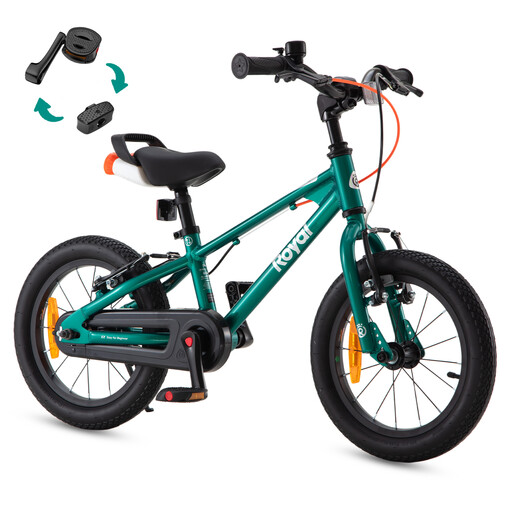
Why This Fits Their Persona: Ideal for young children just starting their cycling journey. The design allows them to begin on a balance bike and transition to a pedal bike without needing to buy a new one, building confidence at their own pace.
It directly counters the weight pitfall with its premium high-grade aluminium alloy frame (7.8 kg net weight). The 2-in-1 design makes it genuinely adaptable, avoiding the "grows with you" illusion by serving two distinct learning stages effectively.
The patent-pending quick-release crank system allows for tool-free switching between balance and pedal modes. The low step-through frame makes mounting and dismounting easy for little legs.
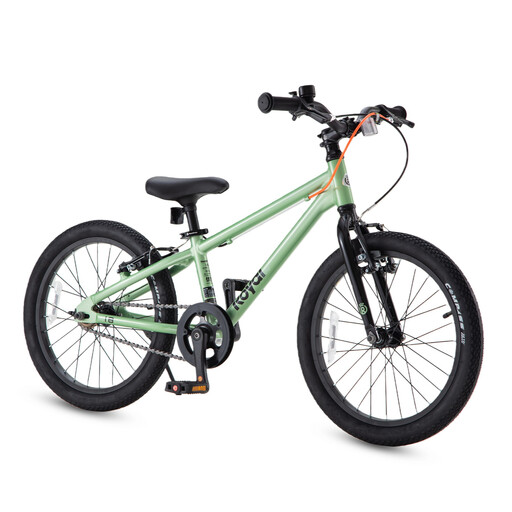
Why This Fits Their Persona: For the child who has mastered the basics and needs a high-performance, easy-to-handle bike for daily rides to the park, school or around the neighbourhood.
This bike's primary focus is on minimising weight (net weight 6.9 kg, frame weight 0.9 kg), directly addressing the heaviest pitfall. It avoids gimmicks by investing in quality mechanics like sealed bearings, which ensure smooth pedalling with less effort.
The ultra-light aviation-grade aluminium alloy frame makes it exceptionally easy to control. The combination of dual V-brakes and all-terrain tyres provides safe, reliable performance on multiple surfaces.
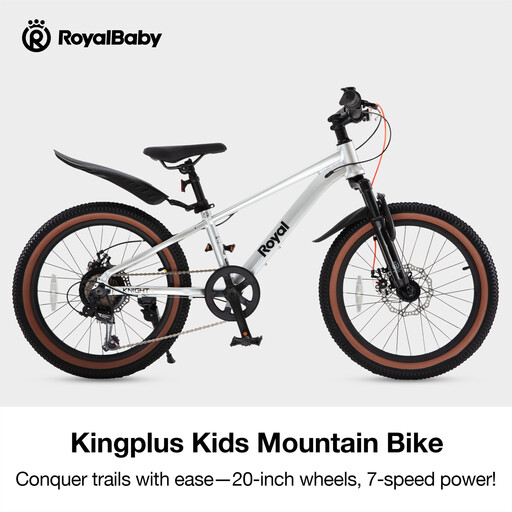
Why This Fits Their Persona: Perfect for children ready to move beyond pavements and explore local woods, dirt trails and bumpy park paths. This is a genuine entry-level kids mountain bike.
This bike avoids the gimmick of simply looking like a mountain bike. It includes functional off-road features: a front suspension fork to absorb bumps, a 7-speed twist shift for hills and reliable dual disc brakes for stopping power in varied conditions.
The combination of a front suspension fork and a 7-speed drivetrain provides genuine off-road capability and comfort. All-terrain knobby tyres ensure stable grip on loose surfaces.
We have compiled a complete, real-time list of products that fully satisfy these strict selection criteria and UK safety regulations.
The most reliable method is to measure their inside leg. Ask your child to stand in their shoes with their feet slightly apart. Using a tape measure, measure from the floor right up to their crotch. This number should be at least 2-3cm more than the bike's listed minimum saddle height. This ensures they can comfortably touch the ground with the balls of their feet, which is vital for safety and building confidence.
In almost all cases, yes. A bike's weight is far more significant for a child than for an adult. A lighter bike, typically one with an aluminium alloy frame, is substantially easier for a child to balance, pedal up inclines, and manoeuvre. This leads to a much faster and more enjoyable learning process. A heavy steel bike can often be a source of frustration that discourages them from riding.
There is no exact age, but it's generally when they have fully mastered balancing, steering and braking, which is often around 6 to 8 years old. Gears become beneficial when they start riding on more varied terrain that includes hills. When you do introduce gears, start with a simple system, such as a 7-speed drivetrain with a twist shifter, which is intuitive for children to use.