
24/7 Customer Support

Free returns

Same-day & Next-day Delivery

Quality Guaranteed

Unlock Your Welcome Offers: FREE Delivery | Up to 80% OFF | Free 30-day JoyPlus trial
Download the APP
Choosing between children’s bikes can feel surprisingly complicated. Wheel size, frame material, gears, stabilisers and colourful designs all compete for attention, while the most important question is often simpler: will the bike fit the child and suit where they ride?
As the Joybuy Product Recommendation Officer, my role is to filter out distracting marketing claims and focus on practical details that affect everyday use. Whether you are comparing boys’ bikes, girls’ bikes, lightweight kids bikes or children’s mountain bikes, these checks can help prevent an expensive mismatch.
Age ranges are useful starting points, but children of the same age can have very different heights and leg lengths. A 16-inch kids bike may suit one child aged five, yet feel too large or small for another. Always compare the manufacturer’s height guidance with the child’s inseam and check whether the saddle and handlebars adjust.
A child should be able to sit comfortably, reach the controls and place their feet down when appropriate. Buying a larger bike “to grow into” can make balancing and braking more difficult.
A low product weight can make a bike easier to lift and manoeuvre, but the complete specification still matters. Frame design, tyre width, braking system and riding position all affect control. For example, a steel bike may offer a robust structure but weigh more than an aluminium model.
Look at the bike’s stated net weight, maximum rider weight and intended terrain together rather than focusing on one material claim.
Multiple gears, suspension forks and fat tyres can be useful for children riding hills, gravel or trails. They may add unnecessary weight and complexity for a beginner who mainly rides on a driveway, park path or quiet paved route.
Similarly, bikes with training wheels are helpful during early practice, but they should be removable if the child is expected to progress to two-wheel riding.
Wheel size is one of the clearest ways to narrow down kids bicycles, but it should not replace a physical fit check.
Check the individual product dimensions rather than relying solely on these broad ranges.
For younger riders, controls should be easy to reach and operate. A fully enclosed chainguard can help protect fingers and clothing, while handlebar edge protection may be useful on beginner-oriented designs.
Some children’s bikes use front hand brakes, rear coaster brakes or both. The child should understand how the brakes work before riding independently. Stabilisers should be securely fitted and checked regularly, then removed when the child is ready to practise balancing.
Aluminium alloy frames can reduce overall weight and resist rust, while steel frames are commonly selected for their sturdy construction. Neither material alone determines suitability.
For park and pavement riding, single-speed bikes with moderate-width pneumatic tyres may be easier for a beginner. For off-road riding, look for features such as knobby tyres, a suitable drivetrain, a robust frame and, where appropriate, a front suspension fork. A 7-speed or 21-speed system is only useful if the child can shift gears confidently.
For UK purchases, check the product information and instructions for the applicable British or European safety standard, conformity information and age restrictions. Do not assume that a decorative or toy-style bicycle is suitable for public roads. Adult assembly, helmet use and supervision remain essential.
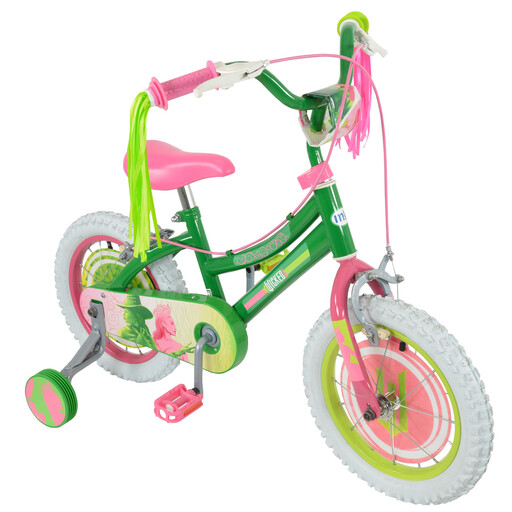
Why This Fits Their Persona: A practical option for a young beginner who mainly rides in the garden, driveway or park with adult supervision.
It includes removable stabilisers, adjustable seat and handlebars and an enclosed chainguard rather than relying on appearance alone.
14-inch pneumatic tyres, front and rear calliper brakes and a stated maximum user weight of 30kg.
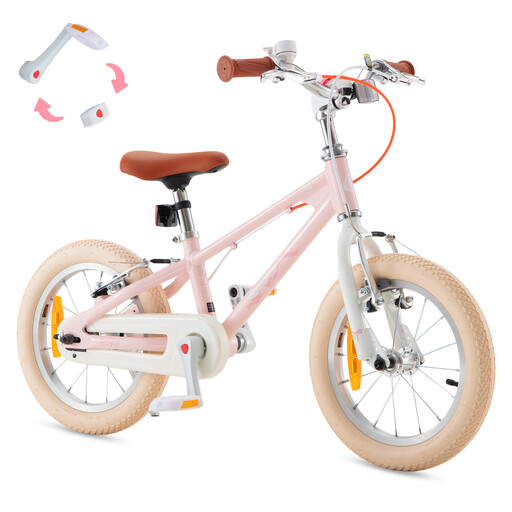
Why This Fits Their Persona: A good match for families prioritising lower weight, easy mounting and a bike that can adapt as a young rider develops.
The 2-in-1 balance-to-pedal design and quick-release crank system help avoid buying a bike that becomes unsuitable during the learning stage.
High-grade aluminium alloy frame, stated net weight of 7.4kg, low step-through design and adjustable dual hand brakes.
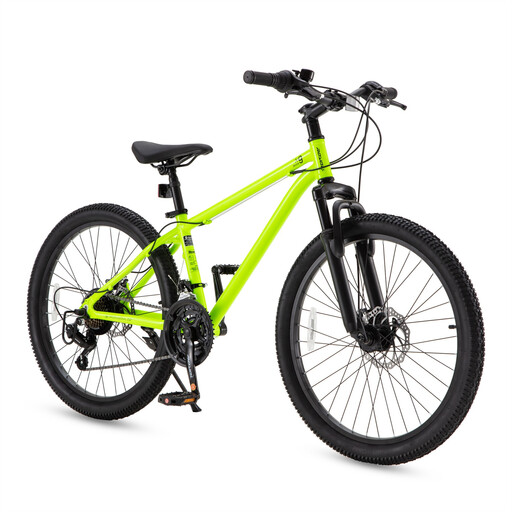
Why This Fits Their Persona: Intended for taller children aged around 10–14 who want to move beyond simple neighbourhood riding to hills and managed off-road routes.
Its terrain-focused specification is clearer than a decorative “mountain bike” label, with a front suspension fork and all-terrain knobby tyres.
21-speed drivetrain with grip shifters, lightweight aluminium alloy frame and quick-release front wheel.
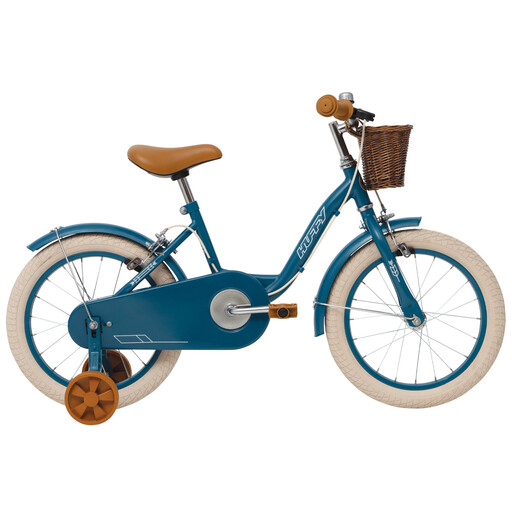
Why This Fits Their Persona: Suitable for a child who has begun riding independently and wants a straightforward bike for parks, paths and local supervised outings.
It keeps the drivetrain to a simple single speed while retaining removable training wheels, reducing unnecessary complexity during progression.
16-inch wheels, adjustable seat, front basket and front and rear calliper brakes.
Before the first ride:
Wipe down the frame after wet rides and inspect tyres, brake cables, chain and fixings regularly. Store the bike in a dry place where possible. Avoid using a children’s bicycle on public roads unless it is specifically suitable and the child has the required control and supervision.
We have compiled a complete, real-time list of products that fully satisfy these strict selection criteria and UK safety regulations.
A six-year-old may fit a 16-inch or 20-inch bike, depending on height, inseam and riding ability. Measure the child and compare the product’s stated height range. They should be able to reach the brakes and control the bike without stretching.
Yes, stabilisers can provide initial support while a child becomes familiar with pedalling and steering. Choose a model with removable stabilisers so the bike can adapt when the child is ready to practise balance on two wheels.
Basic checks should be carried out before every ride, including tyre pressure, brake operation and loose parts. A more thorough inspection of the chain, cables, wheels and fixings is sensible after wet weather or frequent use.