
24/7 Customer Support

Free returns

Same-day & Next-day Delivery

Quality Guaranteed

Unlock Your Welcome Offers: FREE Delivery | Up to 80% OFF | Free 30-day JoyPlus trial
Download the APP
Buying a child’s first cycle can look straightforward until you compare wheel sizes, frame materials, brakes, training wheels and age guidance. The right choice depends less on colour or a long feature list and more on whether the bike matches your child’s height, confidence and intended use.
Whether you are comparing kids bikes, children’s bikes, toddler tricycles or balance bikes for kids, these checks can help prevent an unsuitable purchase.
Age ranges are useful starting points, but children of the same age can have very different heights and leg lengths. A bike that is too large may be difficult to start, stop and steer. A smaller model may become uncomfortable quickly.
Check the manufacturer’s recommended height range, saddle adjustment and frame design. For example, the RoyalBaby EZ Stargirl lists the 14-inch size for approximately 36–38 inches and the 16-inch size for approximately 38–42 inches.
A larger wheel does not automatically offer better value. If a child cannot place their feet securely or reach the controls comfortably, they may lose confidence and use the bike less often.
A 14-inch kids bike can suit a younger rider who has progressed beyond a balance bike, while a 16-inch kids bike may be more suitable for a taller child with developing pedal control. Adjustable saddles and handlebars can extend usability, but they cannot compensate for an unsuitable frame size.
Baskets, bells and bright colours can make a bike appealing, but they should not replace practical checks. Look at the braking system, tyre grip, chain protection, handlebar reach and overall weight. Training wheels may help some beginners, while other children may learn balance more naturally on a balance bike or a 2-in-1 kids bike.
Common children’s bike sizes include 12, 14, 16, 18, 20 and 24 inches. Use the product’s height guidance alongside the child’s inside leg measurement where available.
The child should be able to sit comfortably, reach the handlebars and operate the brakes without stretching.
A heavy frame can make mounting, turning and lifting more difficult. Aluminium alloy frames, such as those used on several RoyalBaby models below, may offer a lower listed weight than comparable steel designs. For comparison, the RoyalBaby EZ Freestyle 14-inch model has a net weight of 7.4kg, while the listed EZ Stargirl 16-inch model weighs 10kg.
Steel frames can provide a robust construction, but the total bike weight remains important. Consider whether an adult will need to carry it up steps, place it in a car or store it indoors.
For a pedal bike, check whether it has hand brakes, a rear coaster brake or both. Younger riders may find a simple system easier to understand, while older children may benefit from more control as riding conditions become varied.
Useful practical features include:
The supplied product information should be checked for applicable UK safety and conformity details. For example, the AIYAPLAY tricycles listed below specify EN71-1-2-3 compliance. This does not remove the need for adult supervision or appropriate protective equipment.
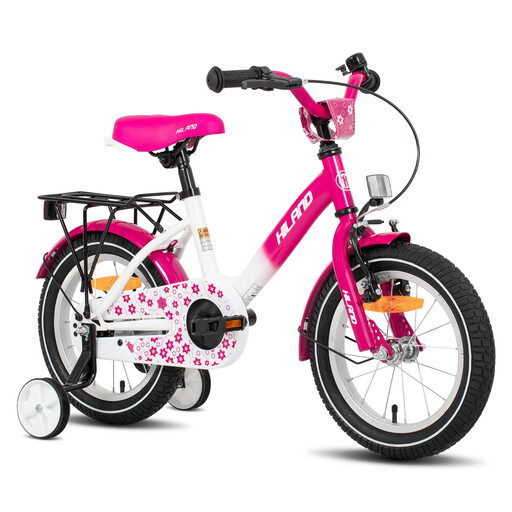
Why This Fits Their Persona: A practical starting point for families seeking a straightforward bike for a child approximately 80–105cm tall, with training wheels included for local rides and outdoor play.
The 12-inch size, low step-through frame and adjustable seat make fit easier to check than choosing a bike solely by age.
Includes training wheels, a basket, front V-brake, rear coaster brake and chain cover.
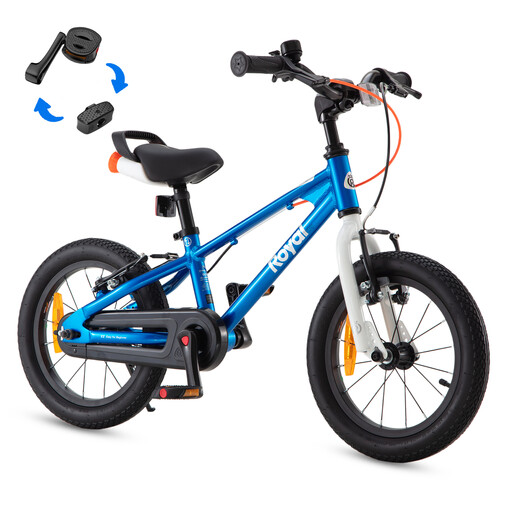
Why This Fits Their Persona: Suits families looking for a lightweight aluminium bike with features that support progression from balance practice to independent pedalling.
Its stated 2-in-1 balance-to-pedal design uses a quick-release crank system, so the riding mode can be changed without tools.
Listed at 7.4kg, with height-adjustable saddle and handlebars, low step-through frame and dual hand V-brakes.
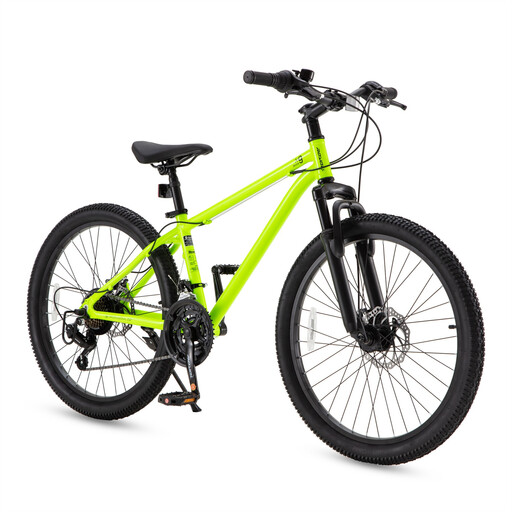
Why This Fits Their Persona: Designed for older children approximately 10–14 years old and suitable for families considering a kids mountain bike for permitted trails and neighbourhood riding.
It provides specific drivetrain and tyre information rather than relying only on an “off-road” description.
Features a 21-speed drivetrain, front suspension fork, aluminium alloy frame, knobbly all-terrain tyres and quick-release front wheel.
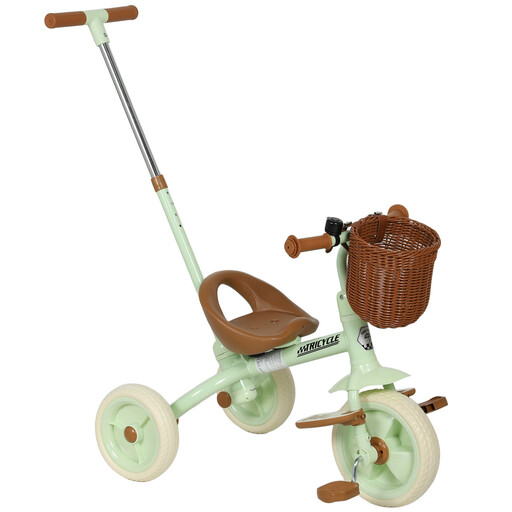
Why This Fits Their Persona: Suitable for families who want a parent-controlled option for walks, with the option to detach the handle as the child develops independent riding skills.
The push-trike and independent modes are clearly stated, helping families avoid buying a fixed-format tricycle for a changing riding stage.
Includes a four-level adjustable push handle, footrests, non-slip pedals, storage basket and a stated 25kg weight capacity.
We have compiled a complete, real-time list of products that fully satisfy these strict selection criteria and UK safety regulations.
Before the first ride, assemble the bike according to the instructions and check that all fasteners are secure. Confirm that the brakes engage properly, tyres are inflated as directed and the saddle and handlebars are tight.
For ongoing care:
Children should ride under adult supervision, wear a properly fitted helmet and avoid public roads or unsafe areas unless the product and riding environment are appropriate.
Start with the manufacturer’s height and wheel-size guidance rather than age alone. A child should be able to mount comfortably, reach the handlebars and operate the brakes. If they are moving from a balance bike, a 14-inch or 16-inch model may be appropriate depending on their height and development.
Not always. Training wheels can provide extra support while a child learns to pedal, but balance bikes and 2-in-1 kids bikes focus more directly on balance and steering. Choose according to the child’s confidence, coordination and preferred learning method.
Lifespan depends on fit, frequency of use, storage and maintenance. An adjustable kids bike may remain comfortable for longer as the child grows, but the frame size and maximum weight capacity still need regular checks. Replacing worn parts promptly can also help keep the bike suitable for continued use.