
24/7 Customer Support

Free returns

Same-day & Next-day Delivery

Quality Guaranteed

Unlock Your Welcome Offers: FREE Delivery | Up to 80% OFF | Free 30-day JoyPlus trial
Download the APP
Watching your child learn to ride a bike is a milestone filled with excitement and a little apprehension. But choosing the right one can feel overwhelming. With so many types, sizes and features, how do you find a bike that is safe, durable and a good fit for your child's current stage?
This guide is designed to cut through the clutter. As the Joybuy Product Recommendation Officer, my role is to provide clear, practical information to help you select a suitable bike that will build your child's confidence and create happy memories of outdoor adventures. We will explore the key factors to consider and highlight a few options for different ages and abilities.
Before looking at specific models, understanding a few core principles will make your decision much easier. Focus on size, type and key features to ensure a safe and enjoyable experience for your little rider.
The first major choice is between a balance bike and a traditional pedal bike with stabilisers.
Balance Bikes: These are a popular choice for a toddler bike or a children's first bike. They have no pedals, allowing children to focus purely on steering and balancing by pushing off the ground with their feet. This method often helps children develop core coordination, making the transition to a pedal bike later on much smoother, sometimes without ever needing stabilisers. They are typically suited for children from 18 months to 4 years old.
Pedal Bikes with Stabilisers: This is the classic approach to learning. Stabilisers provide support while your child gets used to pedalling and steering simultaneously. The stabilisers can be removed once they feel confident enough to ride on two wheels. These bikes are ideal for children who are ready for pedalling, usually from the age of 3 or 4 upwards.
Unlike adult bikes, the size of kids bikes is determined by the wheel diameter, not the frame. Common sizes include 12, 14 and 16 inches. However, the most reliable way to ensure a proper fit is by measuring your child's inside leg (inseam).
For a child to ride safely and confidently, they should be able to sit on the saddle and place the balls of their feet firmly on the ground. For a balance bike, they should be able to place their feet flat on the ground with a slight bend in their knees. Always check the manufacturer's recommended height and inseam measurements before purchasing. A bike that is too large is difficult to control and can be unsafe.
14 inch kids bike or 16 inch kids bike, look for easy-to-reach, responsive hand brakes. Caliper brakes, which are operated by levers on the handlebars, are common and effective.Based on features that support learning, safety and durability, here are a few recommendations for young riders at different stages.
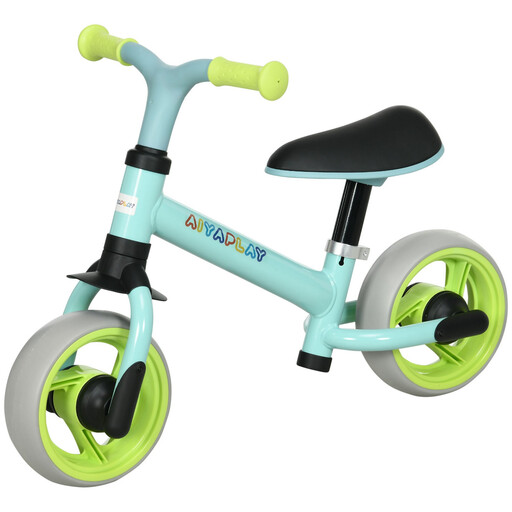
Why It Stands Out: This is an excellent beginner bike for kids aged 18 to 48 months. Its simple, no-pedal design is focused entirely on helping toddlers master the fundamentals of balance and steering in an intuitive way.
Pros:
Who is it for? This is the ideal toddler bike for children between 18 and 48 months who are just starting their cycling journey. It’s a great tool for building the confidence needed before moving to a pedal bike.
View Details for AIYAPLAY Balance Bike
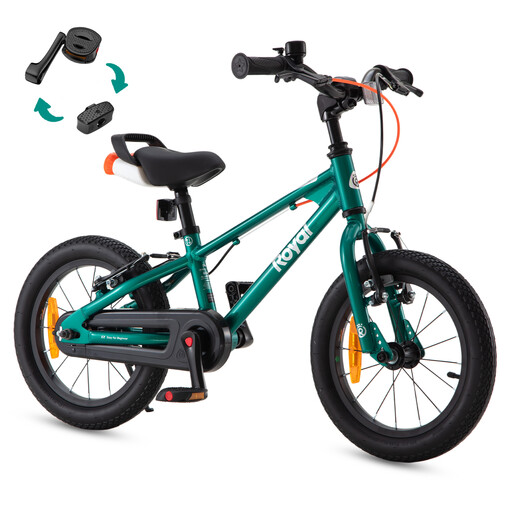
Why It Stands Out: The RoyalBaby EZ Freestyle offers impressive versatility with its 2-in-1 design. It functions as both a balance bike and a pedal bike, thanks to a patent-pending crank system that allows for tool-free switching between modes.
Pros:
Who is it for? This 14 inch kids bike is perfect for parents looking for a single, adaptable bike that can take their child from the balance phase right through to confident pedalling. It's a great option for a bike for 2 to 6 year olds, depending on the child's size and readiness.
View Details for RoyalBaby EZ Freestyle Bike
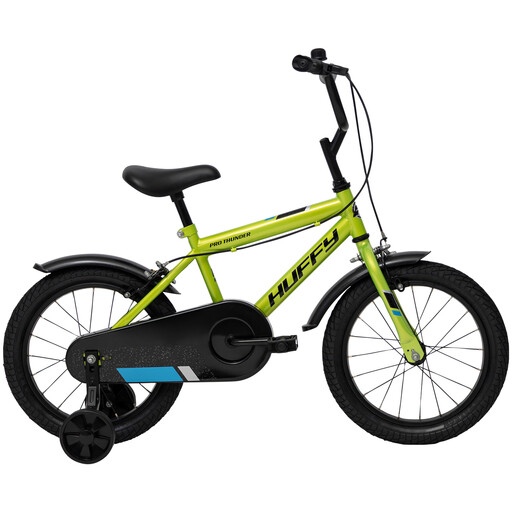
Why It Stands Out: For children ready to embrace pedalling, the Huffy Pro Thunder is a sturdy and reliable choice. It comes with removable stabilisers, offering a traditional learning path with the stability needed for early rides.
Pros:
Who is it for? This 16 inch kids bike is well-suited for children aged 4 to 6 who are either learning with stabilisers or are ready to make the leap to a larger two-wheeled bike. Its robust build makes it a dependable companion for park and pavement adventures.
View Details for Huffy Pro Thunder Bike
These recommendations cover key stages in a child's cycling journey, but every child is different. If you are looking for other sizes, colours or styles, there is a wider range to explore.
Discover more choices in our collection of green children bicycle options to find the perfect match for your young rider.
A 14 inch kids bike is generally suitable for children aged 3 to 5 years old. However, age is just a guideline. The most important factor is your child's height and inside leg measurement. Always check the manufacturer's size chart to ensure their feet can comfortably reach the ground.
Neither is definitively "better"; they are just different approaches to learning. A balance bike teaches balance first, which can make the transition to a pedal bike quicker. A bike with stabilisers allows a child to get used to pedalling and steering at the same time with added support. The choice often comes down to your child's confidence and your personal preference.
The most accurate way is to measure your child's inseam (the distance from the crotch to the floor, without shoes). Compare this measurement to the bike's saddle height range. For a pedal bike, they should be able to touch the ground with the balls of their feet. For a balance bike, their feet should be flat on the ground. This ensures they can control the bike safely.