
24/7 全天候客户支持

免费退货

当日/次日达

品质保障

开启新人专享福利: 全场免邮 | 低至 2 折 | 免费试用 30 天 JoyPlus 会员
下载 Joybuy
Finding the right bike for your child can feel like a significant challenge. You want something safe, durable and correctly sized, but the market is filled with options that can be difficult to navigate. A bike that is too heavy can be frustrating for a child to handle, while one that is the wrong size can be unsafe. This guide is designed to cut through the clutter, offering clear, practical advice to help you select a bike that will bring your child joy and confidence for years to come.
As the Joybuy Product Recommendation Officer, my role is to provide objective information to help you make an informed choice for your family.
Before looking at specific models, understanding a few key features will make your decision much easier. Focusing on fit, weight and safety components ensures you are choosing a bike that is both fun and appropriate for your child's development.
While wheel size is a useful starting point, the most reliable way to ensure a good fit is by measuring your child's inside leg. A correctly sized bike allows the child to stand over the top tube with their feet flat on the ground. They should also be able to comfortably reach the handlebars without overstretching.
For example, a 16 inch kids bike is often a suitable first pedal bike for a 5 year old, but this can vary. As they grow, they will progress through sizes like an 18 inch kids bike and eventually up to a 26 inch kids bike as a teenager. Always prioritise a comfortable and safe fit over buying a bike they will "grow into".
A common oversight is the weight of the bike relative to the child. A heavy steel frame can be difficult for a small child to pedal, steer and pick up after a fall. A lightweight kids bike, particularly an aluminium kids bike, makes a noticeable difference. Lighter bikes are easier to control, which helps build a child's confidence and makes the learning process much more enjoyable. The reduced weight also makes it easier for parents to carry when needed.
For a child's first pedal bike, reliable brakes are non-negotiable. Most children's bikes come with V-brakes, which are effective and easy for small hands to operate. As children get older and may be interested in a kids mountain bike for more adventurous riding, you might see models equipped with disc brakes, which offer strong stopping power in all weather conditions.
Here are a few recommendations that showcase different features suitable for various ages and riding styles.
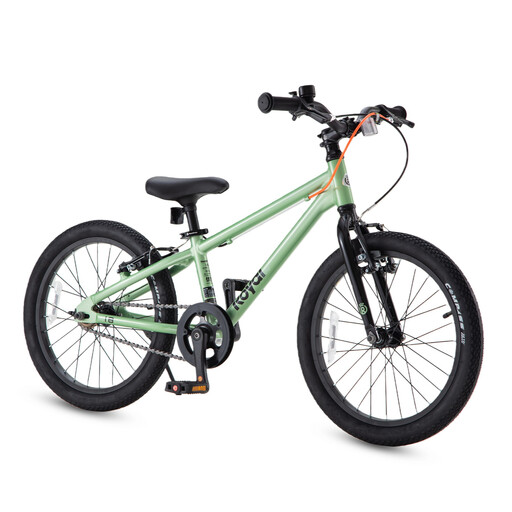
Why It Stands Out: The standout feature of the Freestyle PRO is its exceptionally light frame. Made from aviation-grade aluminium alloy, the frame weighs just 0.9 kg, making the entire bike incredibly easy for a child to manage. This, combined with sealed bearings for smoother pedalling, helps children ride further with less effort.
Pros:
Who is it for? This bike is an excellent choice for children aged approximately 5 to 9 who are confident on two wheels and ready for a larger, more capable pedal bike. Its lightweight nature is ideal for building skills and endurance.
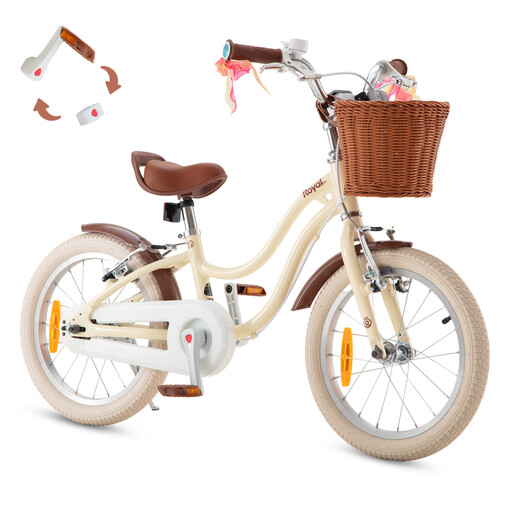
Why It Stands Out: The EZ Stargirl offers brilliant versatility with its 2-in-1 design. It features a patent-pending quick-release crank system that allows you to switch between a balance bike and a pedal bike without any tools. This is perfect for helping a child master balance before introducing pedalling. The low step-through frame also makes it very easy for young riders to get on and off safely.
Pros:
Who is it for? This is a great option for younger riders (recommended height 38"-42") who are just starting their cycling journey. The dual-functionality provides excellent value, serving as both a trainer and a first pedal bike in one.
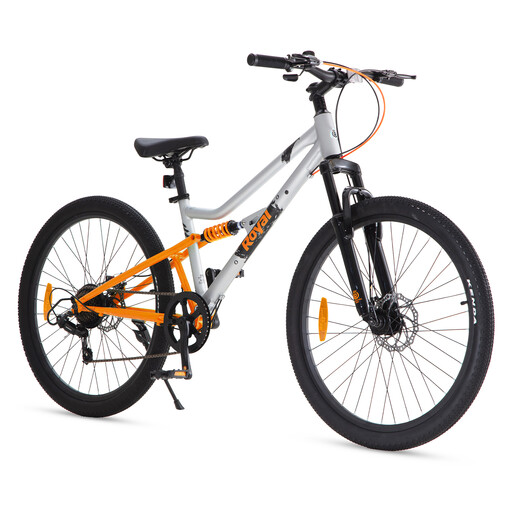
Why It Stands Out: For the older child or teenager ready for adventure, the RS7 is a capable entry into the world of mountain biking. It features a full dual suspension system (front and rear) to absorb bumps on rough terrain, providing a smoother and more controlled ride. The inclusion of a 7-speed drivetrain and dual disc brakes makes it well-equipped for tackling hills and trails.
Pros:
Who is it for? This 26 inch kids bike is aimed at riders aged 13 and up who have outgrown simpler bikes and are looking to explore local trails, forest paths and more challenging terrain.
If the models above aren't quite what you're looking for, or if you're interested in exploring options for different types of riding, our broader collection offers a wide variety of choices.
Discover more in our full range of road cycling bicycles.
The best method is to use their inside leg measurement. Have your child stand with their feet slightly apart, and measure from the floor to their crotch. They should be able to stand over the bike's top tube with their feet flat on the ground and have a clearance of at least an inch.
Yes. A lightweight kids bike made from an aluminium kids bike frame is significantly easier for a child to handle, balance and pedal. This helps build their confidence quickly and makes the overall experience of learning to ride more enjoyable and less tiring.
Gears are typically introduced once a child is fully confident with steering, balancing and braking. This usually happens around the time they move to a 20-inch or 24-inch bike. A geared bike, like a kids mountain bike, is beneficial when they start riding on more varied terrain with hills and inclines.