
24/7 Customer Support

Free returns

Same-day & Next-day Delivery

Quality Guaranteed

Unlock Your Welcome Offers: FREE Delivery | Up to 80% OFF | Free 30-day JoyPlus trial
Download the APP
Watching a child learn to ride a bike is a milestone filled with joy and a little bit of parental anxiety. But choosing the right one can be surprisingly complex. The market is flooded with options, and it's easy to fall into common traps that lead to a bike gathering dust in the shed. As a Joybuy Product Recommendation Officer, my role is to help you navigate the choices and find a bike that is safe, suitable and will be loved for more than just a few weeks.
Before you start browsing, let's look at the three most common pitfalls parents encounter when buying kids bikes:
To make a smart purchase, focus on a few core parameters that determine safety, comfort and usability. Ignore the marketing jargon and check these specifications first.
Forget age ranges. The single most important factor for a correct fit is your child's inside leg measurement. They should be able to sit on the saddle with the balls of their feet comfortably touching the ground. This gives them the confidence and control to stop safely.
Measure their inside leg from the crotch to the floor (without shoes). Compare this to the bike's saddle height range. For example, a 12 inch bike (referring to wheel diameter) is typically suitable for children with an inside leg of 33cm to 43cm.
The type of bike you choose should match your child's developmental stage.
Always check for key safety components. A fully enclosed chainguard is essential to prevent trousers or shoelaces from getting caught. Brakes should be easy for small hands to reach and pull. In the UK, look for bikes that meet the EN71-1-2-3 safety standards, which ensures they are mechanically sound and free from harmful materials.
Instead of a generic list, we've matched specific models to common UK family profiles, highlighting how they address the pitfalls and meet core requirements.
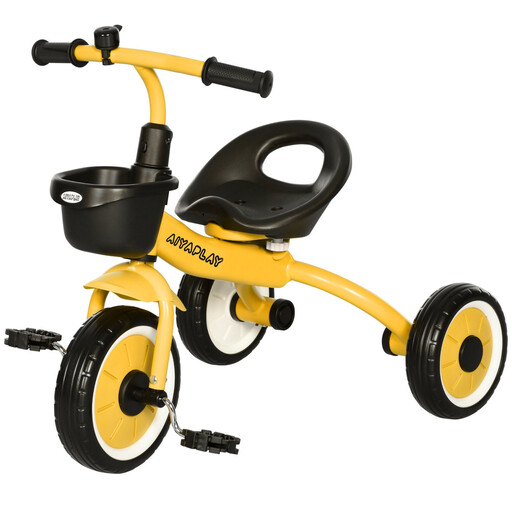
Why This Fits Their Persona: Perfect for toddlers taking their very first steps into the world of riding. This kids trike provides maximum stability, allowing them to focus on the fun of pedalling and steering without the fear of falling. It's an ideal confidence-builder for garden and park path adventures.
It avoids the "one-size-fits-all" trap by being a dedicated tricycle for a specific age group. The adjustable seat provides a genuine fit for its intended 2-5 year range, ensuring comfort as they grow into it.
The robust metal frame and three-wheel design offer excellent stability. Fun features like a bell and basket make it engaging for young children.
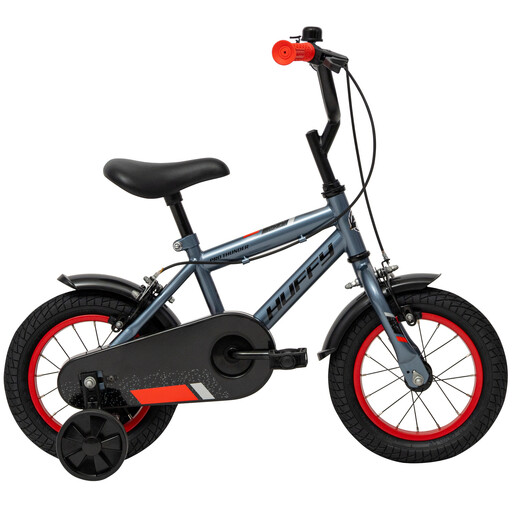
Why This Fits Their Persona: This is an excellent first pedal bike for children ready to move on from a balance bike or tricycle. It provides the security of stabilisers for the initial learning phase, with the design of a proper 'big kid' bike to inspire them.
It directly counters the "stabiliser sticking point" by featuring easily removable stabilisers. This encourages progression to two-wheel riding once the child feels confident, rather than fostering long-term dependency.
Features front and rear caliper brakes for effective stopping and a fully enclosed chainguard for safety. The adjustable seat allows for a proper fit as the child grows in confidence and height.
We have compiled a complete, real-time list of products that fully satisfy these strict selection criteria and UK safety regulations.
Have your child stand straight with their shoes off. Use a tape measure to find the distance from their crotch to the floor. This is their inside leg measurement. Compare this number to the "saddle height range" listed in a bike's specifications to ensure they can comfortably touch the ground when seated.
Neither is definitively "better," as they suit different learning styles. However, a balance bike teaches the core skill of balancing from day one, which can make the final transition to a pedal bike much quicker. Stabilisers teach pedalling first but can create a dependency that makes learning to balance harder later on.
A correctly fitted helmet is non-negotiable. It should sit level on the head, covering the forehead and the straps should form a 'V' shape around the ears. While not mandatory, knee and elbow pads can provide extra protection and boost a nervous child's confidence during the learning process. Always ensure the bike is used in a safe area away from public roads.