
24/7 Customer Support

Free returns

Same-day & Next-day Delivery

Quality Guaranteed

Unlock Your Welcome Offers: FREE Delivery | Up to 80% OFF | Free 30-day JoyPlus trial
Download the APP
Watching a child learn to ride their first bike is a milestone filled with joy and excitement. However, choosing that first bike can feel overwhelming. With so many options, from balance bikes to pedal bikes with stabilisers, how do you know which is the right fit for your little one?
As the Joybuy Product Recommendation Officer, my role is to help you navigate these choices. This guide offers practical advice to help you find a safe and suitable bike that will build your child's confidence and create lasting memories, without the marketing jargon.
Before looking at specific models, it helps to understand the key differences and features. Considering these points will make your decision much clearer.
This is the most common question parents face when buying a first bike. There is no single correct answer, as it depends on the child's development and your preference for their learning journey.
Balance Bikes: These bikes have no pedals or chain. A child propels themselves forward by pushing off the ground with their feet. The primary goal of a balance bike is to teach the core skill of balancing on two wheels. Children who master a balance bike often find the transition to a pedal bike much smoother, sometimes skipping stabilisers altogether. They are an excellent choice for a toddler bike, especially for a bike for 2 year old or bike for 3 year old.
Bikes with Stabilisers: This is the more traditional route. These bikes have pedals, a chain and two small support wheels at the back. They allow a child to get used to the motion of pedalling without having to worry about balance. While effective, some children can become dependent on the stabilisers, making the eventual transition to two wheels a separate learning step.
A bike that is too big or too small is not only uncomfortable but also unsafe. The most important measurement is not the child's age, but their inside leg measurement.
bike for 3 year old might start on 10- or 12-inch wheels, while older children move up to 14- or 16-inch models. Always check the manufacturer's height and age recommendations as a starting point.Safety is paramount when it comes to kids bikes. Look for features designed to protect young riders.
Based on features that support safety, learning and fun, here are a few recommendations for different age groups and needs.
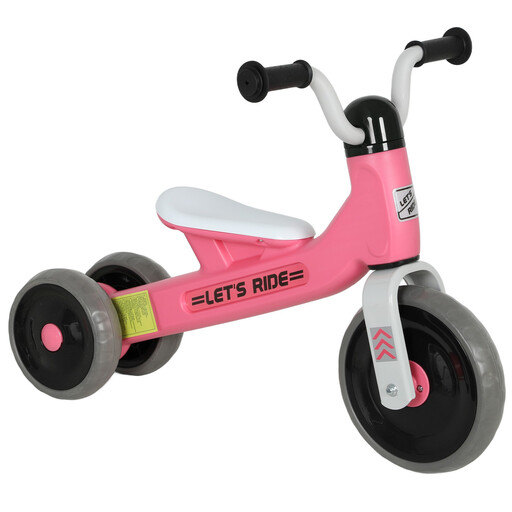
Why It Stands Out: This bike is designed with the youngest riders in mind. Its safety-first approach, including 30-degree limited steering to prevent tipping and fully enclosed wheels to protect small feet, makes it an ideal introduction to two (and three) wheels. The silent wheels also make it perfect for indoor play on rainy days.
Pros:
Who is it for? Parents looking for a very first toddler bike for a child between 12 and 36 months. It's a great choice for those who prioritise safety and want a bike that can be used quietly inside the house.
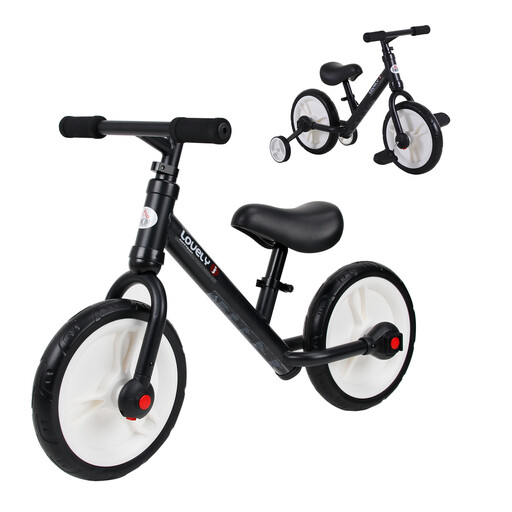
Why It Stands Out: This bike's standout feature is its versatility. It starts as a balance bike to help your child master the fundamentals, and once they are ready, you can attach the included pedals and stabilisers. This 2-in-1 design means it can adapt as your child's skills and confidence grow.
Pros:
Who is it for? Families who want a single, long-lasting investment that covers multiple learning stages. It's suitable for children from 2 to 5 years, making it an excellent first bike that can see them through from balancing to pedalling.
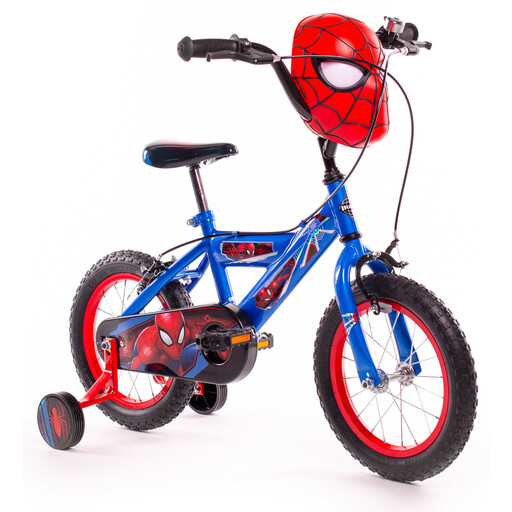
Why It Stands Out: For slightly older children ready for a traditional pedal bike, the appeal of a character-themed design can be a powerful motivator. This Spider-Man bike combines a fun, recognisable theme with the practical features needed for a beginner rider, including a sturdy frame and easy-to-manoeuvre build.
Pros:
Who is it for? Children aged 4 and up who are ready for a pedal bike with stabilisers. It's a fantastic option for a boys bike or girls bike if they are a fan of the superhero, turning learning to ride into an exciting adventure.
If you haven't found the perfect match here or are looking for different sizes, colours or themes, there are many more choices available. From different character bikes to a wider range of balance and pedal bikes, you're sure to find the right ride for your child.
Explore our complete collection of bicycle toys to find the perfect ride for your little one.
1. What is a good age to introduce a balance bike? Most children can start using a balance bike between 18 months and 2 years old. At this age, they have typically developed the coordination to walk and run, which is the basic motion needed to propel the bike.
2. Is it better to start with a balance bike or a bike with stabilisers? This depends on the learning goal. A balance bike teaches balance first, which can make the transition to a pedal bike without stabilisers quicker. A bike with stabilisers teaches pedalling first, which some children find more intuitive. Both are effective methods for learning to ride.
3. How do I know if a bike is the right size for my child? The most reliable way to check the fit is to have your child sit on the saddle. For both balance and pedal bikes, they should be able to place their feet flat on the ground with a slight bend in their knees. This ensures they can control the bike and stop safely. Always check the manufacturer's recommended height and inside leg measurements.