
24/7 Customer Support

Free returns

Same-day & Next-day Delivery

Quality Guaranteed

Unlock Your Welcome Offers: FREE Delivery | Up to 80% OFF | Free 30-day JoyPlus trial
Download the APP
Choosing between kids bikes and tricycles is not simply a matter of picking a colour or matching a child’s age. The right choice depends on height, confidence, riding environment and how much control a parent needs. A toddler going to the park needs a very different product from a teenager cycling to school.
Marketing can also make selection harder. Features such as “grows with your child”, “all-terrain” and “multi-stage” may sound useful, but they need to be checked against measurable specifications.
Age recommendations are helpful, but children of the same age can have very different heights and coordination levels. A bike that is too large may be difficult to balance, while one that is too small can become uncomfortable quickly.
Check the manufacturer’s recommended height range, wheel size and saddle adjustment. For example, some 14-inch children’s bikes are listed for riders around 36–38 inches tall, while 16-inch models may suit children around 38–42 inches tall.
A 6-in-1 toddler trike can function as a pushchair-style ride, push trike and independent tricycle. However, each conversion may involve removing accessories, adjusting the seat or changing the foot position. If your child is already confident pedalling, a simpler trike or pedal bike for children may be more practical.
Look at which stages are genuinely suitable for your child now, rather than paying for functions that may not be used.
Frame weight matters, particularly for younger riders learning to steer and stop. However, total weight also includes wheels, brakes, mudguards and accessories. A bike with a heavy steel frame may be durable but harder for a small child to control or for an adult to carry up stairs.
For older children, weight should be considered alongside tyre width, gearing and the intended terrain.
Wheel size is a useful starting point, but it should not be the only measurement:
Your child should be able to sit comfortably, reach the handlebars without stretching and place their feet securely when stopping. Avoid buying a much larger bike on the assumption that the child will “grow into it”.
Balance bikes remove pedals so children learn steering, balance and gliding before managing a drivetrain. A 2-in-1 kids bike can offer a gradual transition between balance and pedal modes.
Training wheels can provide initial reassurance, but they do not replace correct sizing or supervision. Check whether they are adjustable and whether they can be removed without making the bike difficult to handle.
For toddlers, three wheels provide a stable base. Products such as toddler tricycles with push handles allow an adult to guide direction and pace while the child becomes familiar with sitting, steering and pedalling.
Look for controls that match the child’s hand size. Options may include coaster brakes, V-brakes or dual hand brakes. The brake levers should be reachable without forcing the child to release their grip on the handlebars.
Useful practical details include:
Always follow the product’s age, height and maximum load instructions. Children should wear a properly fitted helmet and ride away from busy roads unless the product and local conditions are suitable for that use.
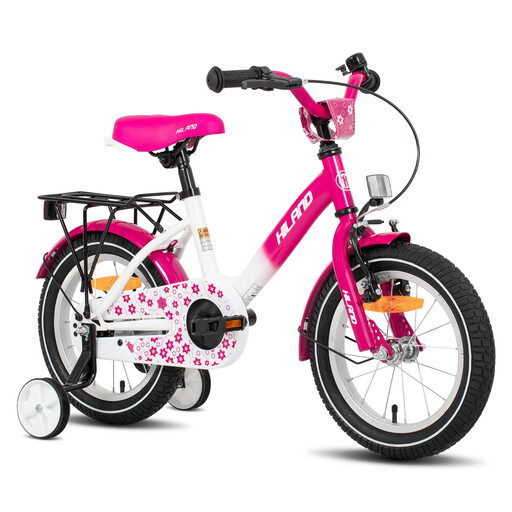
Why This Fits Their Persona: A straightforward option for a young beginner aged approximately 2–4 years and 80–105 cm tall, with training wheels included for initial outdoor practice.
The listed height range and 12-inch wheel size make sizing easier to verify than choosing by theme or colour alone.
Single-speed drivetrain, front V-brake, rear coaster brake, chain cover and included training wheels.
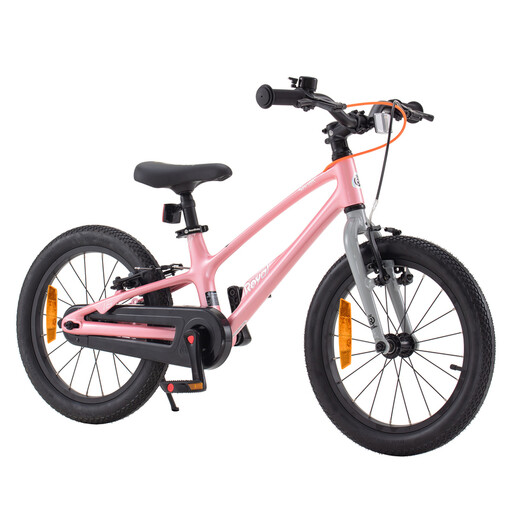
Why This Fits Their Persona: Suitable for families wanting one bike to support balance practice and later pedal riding without training wheels.
Its tool-free crank system provides a stated balance mode and pedal mode, so the progression is built into the specification.
13.0 lb balance-mode weight, dual V-brakes, enclosed chain guard and hybrid all-terrain tread tyres.
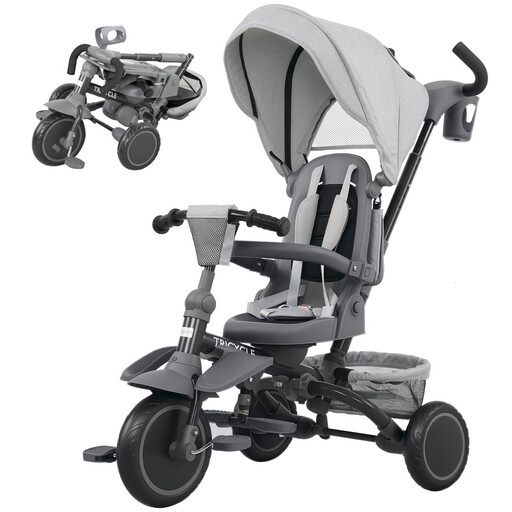
Why This Fits Their Persona: Designed for children from 12–60 months, it suits park walks and family outings where an adult needs steering control.
The listed 5-point harness, detachable safety bar and adjustable push handle provide identifiable features rather than vague safety wording.
Rotating seat, four-position reclining backrest, foldable design, storage basket and 25 kg maximum load.
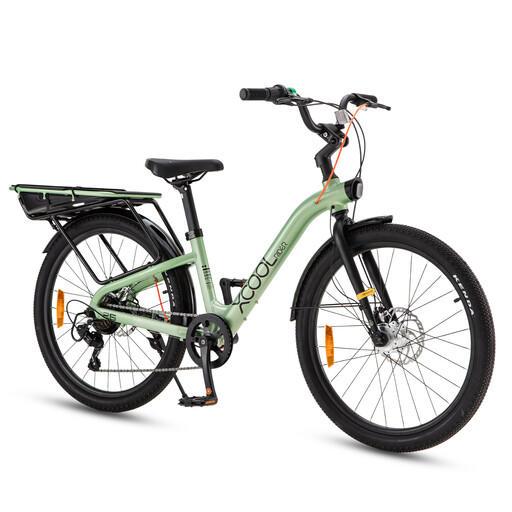
Why This Fits Their Persona: A practical match for taller riders aged roughly 10–14 or teenagers between 150 and 178 cm who need a bike for commuting and mixed UK weather.
The stated height range, adjustable stem, front light and full mudguards make its commuting purpose clear.
26-inch wheels, front and rear disc brakes, all-weather mudguards, a dynamo front light and 25 kg rear cargo-box capacity.
We have compiled a complete, real-time list of products that fully satisfy these strict selection criteria and UK safety regulations.
Before the first ride:
Clean mud and grit with a damp cloth, dry metal parts after wet rides and inspect brake pads, tyres and the chain regularly. Folding trikes should have their locking mechanisms checked before every use.
They can help a child become familiar with sitting, steering and pedalling. However, training wheels do not teach the same balance skills as balance bikes. Remove them when the child can steer confidently and follow instructions, then practise in a flat, quiet area.
Lifespan depends on usage, storage, maintenance and whether the child outgrows the frame. Adjustable saddles, handlebars and convertible designs can extend practical use, but they cannot replace correct sizing. Store bikes indoors or under cover where possible to reduce rust and weather-related wear.
Allow for a helmet, possible lights or reflective accessories, replacement inner tubes, brake-pad wear and occasional servicing. Single-speed bikes usually have fewer drivetrain parts to maintain, while kids mountain bikes with multiple gears may need more regular cleaning and adjustment. Check the brakes, tyre pressure and fasteners before every ride rather than waiting for a problem to appear.