
24/7 Customer Support

Free returns

Same-day & Next-day Delivery

Quality Guaranteed

Unlock Your Welcome Offers: FREE Delivery | Up to 80% OFF | Free 30-day JoyPlus trial
Download the APP
Choosing between a toddler tricycle and a first pedal bike can feel straightforward until you compare wheel sizes, seat heights, brake systems and assembly requirements. A colourful frame or a long list of accessories does not necessarily mean the product will suit your child.
For parents, grandparents and gift buyers, the main aim is to find a stable, manageable ride that matches the child’s height and ability now, with enough adjustment to remain useful as they grow. This guide explains what to check before buying kids bikes and tricycles, followed by product options matched to different needs.
Age ranges are only a starting point. Children of the same age can have noticeably different heights, leg lengths and confidence levels. A 12-inch kids bike may suit one four-year-old but be too large or small for another.
Always compare the stated height range, seat adjustment and stand-over design. A low step-through frame can make mounting easier, while an incorrectly sized bike may be difficult to control.
Training wheels can provide additional support while a child becomes familiar with steering and pedalling, but they do not replace correct sizing or supervision. Check whether they are included, whether they can be fitted securely and whether the bike remains easy to steer.
For younger children who are still developing balance and coordination, a toddler tricycle may be a more suitable first bike for children than a two-wheeler.
A basket, bell and bright finish can make a bike more appealing, but these should not distract from the frame, brakes, tyres, seat position and chain protection. Also check the product’s assembly instructions and the tools supplied. “Easy assembly” still means an adult must complete and inspect the set-up before the first ride.
Wheel size gives a useful indication of the bike’s overall proportions:
These ranges vary between manufacturers. Measure your child’s height and compare it with the product listing rather than selecting solely by age. The child should be able to sit comfortably, reach the handlebars and place their feet in a controlled position when stopping.
An adjustable seat can extend the useful life of a bike or tricycle, but adjustment range matters. For example, the AIYAPLAY tricycle has a stated 3cm adjustable seat and a seat height of approximately 30cm. Confirm that the lowest position is appropriate for your child before purchasing.
Handlebar shape, grip size and the distance between the seat and bars also affect comfort. A child should not need to stretch excessively to steer or brake.
For pedal bikes, look for clearly described braking systems. The Hiland Starry models specify a front V-brake and rear coaster brake, giving the rider two different braking methods to learn. They also include a full chain cover and handlebar edge protectors.
A single-speed drivetrain keeps controls relatively simple for beginners. Wide 1.95-inch tyres are specified on the 12, 14 and 16-inch Starry bikes, although tyre pressure should still be checked before riding and during regular use.
The AIYAPLAY tricycles list EN71-1-2-3 compliance in their product information. This is a stated product specification, not a substitute for checking the individual listing, instructions and condition of the item. Use a properly fitted cycle helmet and supervise children in an appropriate riding area.
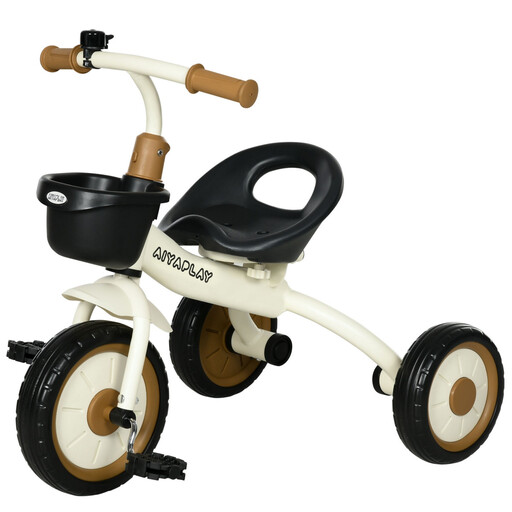
Why This Fits Their Persona: A practical starting point for a child aged approximately 2–5 years who is learning to pedal and steer around parks, paths and gardens.
The adjustable seat helps buyers check fit rather than relying on age alone. Its three-wheel layout avoids expecting a beginner to balance a two-wheeler immediately.
3cm seat adjustment, 10-inch front and 8-inch rear EVA wheels, plus a basket and bell. Stated maximum load: 25kg.
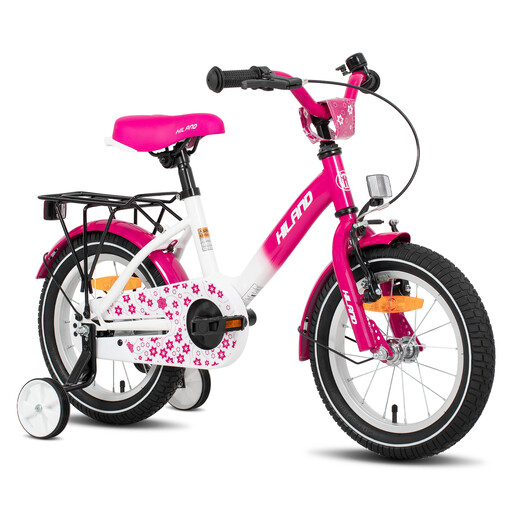
Why This Fits Their Persona: Suits families seeking a more structured pedal-bike set-up for children approximately 3–6 years old and 90–125cm tall.
The listing specifies two brake systems, training wheels, a chain cover and handlebar protection instead of focusing only on appearance and accessories.
Hi-ten steel frame, single-speed drivetrain, 1.95-inch tyres, adjustable seat, basket and approximately 90% pre-assembly.
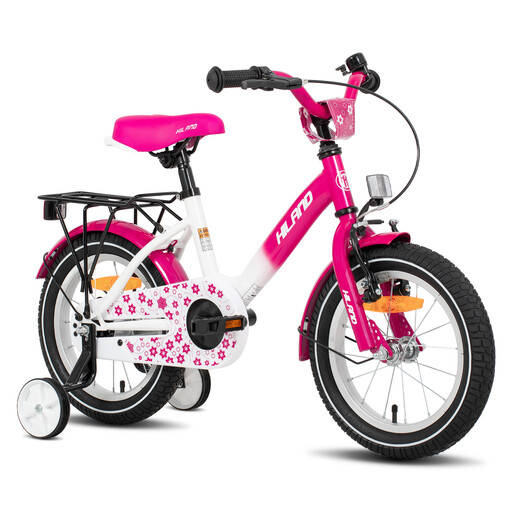
Why This Fits Their Persona: A larger option for children approximately 4–7 years old and 105–135cm tall, particularly where regular outdoor rides are planned.
The stated height range helps prevent buying a bike that is oversized. The chain cover and adjustable seat address common everyday-use concerns.
Front V-brake and rear coaster brake, 1.95-inch tyres, single-speed gearing, basket, kickstand and stated 20-minute final assembly.
Before handing over any kids bikes and tricycles:
A bell can be useful when riding in shared spaces. You can also browse the bike bell range for additional options.
We have compiled a complete, real-time list of products that fully satisfy these strict selection criteria and UK safety regulations.
There is no universal answer because height and inseam length differ. As a general guide, 12-inch, 14-inch and 16-inch bikes may correspond to progressively taller children, but always check the manufacturer’s stated height range and seat adjustment.
A toddler tricycle can be a practical introduction to steering and pedalling for younger riders. It may suit children who are not yet ready to balance on two wheels. Choose a model with an appropriate seat height, manageable handlebars and a clearly stated weight limit.
Lifespan depends on the child’s growth, frequency of use, storage and maintenance. An adjustable seat may extend usability, but it cannot compensate for a frame that has become too small. Check the fit regularly and replace any product with damaged structural or braking components.