
24/7 Customer Support

Free returns

Same-day & Next-day Delivery

Quality Guaranteed

Unlock Your Welcome Offers: FREE Delivery | Up to 80% OFF | Free 30-day JoyPlus trial
Download the APP
Choosing between kids bikes and tricycles can feel straightforward until you compare wheel sizes, frame materials, training support and safety features. A colourful design may attract a child, but it does not necessarily provide the right fit or useful adjustability.
Parents, grandparents and gift buyers can avoid common disappointments by checking the measurements behind the marketing. The right children's bikes should suit the rider’s height, confidence and intended use, rather than simply matching their age or a favourite colour.
Age ranges are useful starting points, but children of the same age can have very different heights and leg lengths. A 12-inch kids bike may suit one child aged 2–4, while another may need more time on a balance bike or toddler tricycle.
Always compare the product’s recommended height, seat adjustment range and maximum load. The child should be able to sit comfortably, reach the handlebars and place their feet securely when learning.
Kids bikes with training wheels can provide initial support, but stabilisers are not a substitute for a correctly sized frame. If they are poorly adjusted, the bike may tilt from side to side or encourage a child to rely on the wheels rather than develop balance.
A balance bike or a 2-in-1 model that changes from balance mode to pedal mode can be a practical alternative for children who are ready to learn gradually.
Baskets, bells, tassels and character graphics may make a bike appealing, but brakes, tyres, chain protection and fasteners matter more for everyday use. Pneumatic tyres require pressure checks, while solid EVA wheels avoid punctures but may offer a different ride feel.
Also check the assembly requirements. A product that arrives partially assembled still needs careful adjustment before use.
Wheel size is one of the clearest ways to narrow the selection, but it is not the only measurement that matters.
These ranges vary by design. For example, the Hiland Starry 12-inch model lists a recommended height of 80–105 cm, while its 16-inch version lists 105–135 cm. Use the manufacturer’s measurements rather than relying only on the label.
Look for brakes that a child can reach and operate comfortably. Some kids' bicycles combine a front V-brake with a rear coaster brake, while others use front and rear calliper brakes or dual hand brakes.
A fully enclosed chain guard can help protect fingers and clothing. Handlebar edge protectors, padded saddles and non-slip pedals are also practical details for early riders. These features do not remove the need for adult supervision or protective equipment.
A lightweight children's bike can be easier for a young rider to steer and lift, although a steel frame may provide a sturdy feel at the cost of additional weight. Aluminium models such as the RoyalBaby EZ range are specified with aluminium alloy frames and adjustable saddles and handlebars.
For toddlers, check whether the seat can be adjusted. The AIYAPLAY trikes listed below have a 3 cm seat adjustment range, while the 2-in-1 push trike includes a parent handle with four height positions and a 7 cm adjustment range.
Check the stated maximum load, tyre type and wheelbase as well. Product information should also identify the applicable toy safety standard; several products in this guide list EN71-1-2-3. Follow the supplied instructions, inspect the assembly and do not use a damaged product.
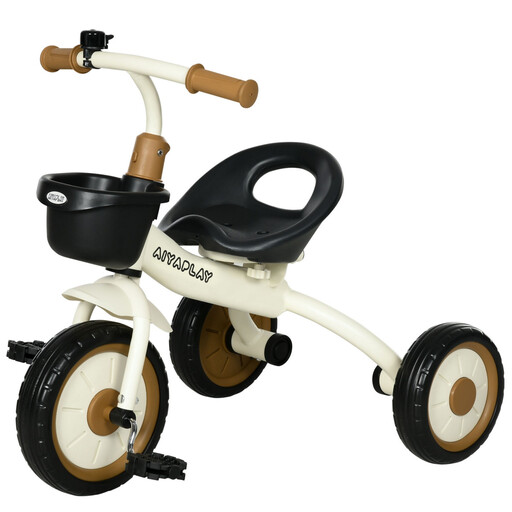
Why This Fits Their Persona: A straightforward choice for families introducing a toddler to riding at home, in the garden or on supervised park outings.
Its 3 cm adjustable seat gives more scope for fit than a fixed toddler seat, while solid EVA wheels avoid puncture maintenance.
10-inch front and 8-inch rear wheels, bell, basket, metal frame and a stated 25 kg weight capacity.
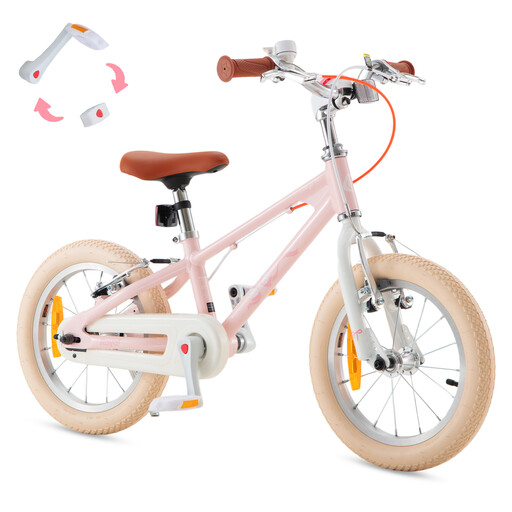
Why This Fits Their Persona: Suits families wanting an adjustable two-wheel platform for a child progressing from balance practice to regular pedalling.
The 2-in-1 balance-to-pedal design uses a quick-release crank system, reducing the need to replace the whole bike during progression.
Aluminium alloy frame, height-adjustable saddle and handlebars, basket and dual hand V-brakes.
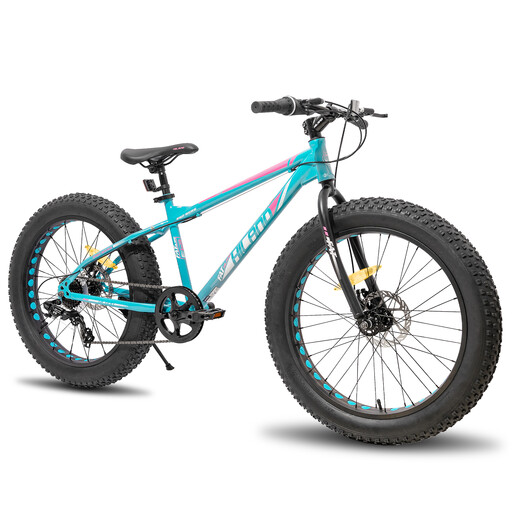
Why This Fits Their Persona: Designed for older children who ride on varied surfaces and need gears for paths, gravel or uneven outdoor routes.
The specification identifies a 7-speed drivetrain and dual mechanical disc brakes instead of relying on a basic single-speed setup.
20-inch wheels, 4-inch wide tyres, adjustable seat and a stated approximate weight of 16.8 kg.
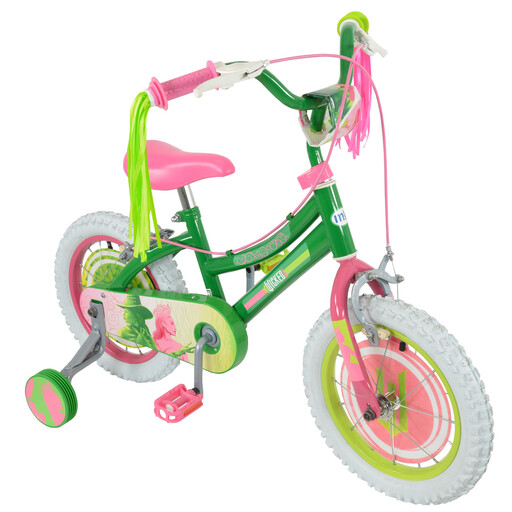
Why This Fits Their Persona: A practical option for a child moving from a toddler tricycle to a pedal bike with temporary training support.
Removable stabilisers allow the setup to change as balance improves, while the enclosed chainguard limits contact with the chain.
Adjustable seat and handlebars, pneumatic tyres, front and rear calliper brakes and a maximum user weight of 30 kg.
We have compiled a complete, real-time list of products that fully satisfy these strict selection criteria and UK safety regulations.
Before the first ride:
A 14-inch kids bike or 16-inch kids bike may be suitable, but height and inseam are more reliable than age. A four-year-old who is still developing balance may prefer a toddler tricycle, balance bike or bike with stabilisers before moving to two wheels.
Toddler tricycles can be useful for children who are learning to pedal, steer and coordinate movement. A push trike with a parent handle can also provide more adult control during walks. Look for an adjustable seat, suitable weight capacity and stable wheel layout, then move on when the child is ready for a two-wheel bicycle.
Lifespan depends on frame quality, storage, riding conditions and how quickly the child grows. Adjustable saddles and handlebars can extend practical use, but a bike should never be kept in service once the rider exceeds its height or weight guidance. Regular brake, tyre and fastener checks can also help identify wear before it becomes a problem.