
24/7 Customer Support

Free returns

Same-day & Next-day Delivery

Quality Guaranteed

Unlock Your Welcome Offers: FREE Delivery | Up to 80% OFF | Free 30-day JoyPlus trial
Download the APP
Watching a child ride their first bike is a milestone moment. But navigating the world of kids bikes can be surprisingly complex. From toddler tricycles to balance bikes and pedal bikes with stabilisers, the options are vast. Before you make a choice, it's important to understand a few common purchasing pitfalls that can lead to a bike gathering dust in the shed rather than creating happy memories in the park.
As the Joybuy Product Recommendation Officer, my role is to help you sidestep the marketing clutter and focus on what truly matters for your child's safety and enjoyment. Let's look at the frequent missteps and how to avoid them.
To ensure you're selecting a suitable and safe first bike for your child, focus on these non-negotiable features.
A child's bike should be as lightweight as possible. A heavy steel frame can be difficult for a small child to manoeuvre, pick up after a fall and get started on. Look for bikes with lighter frames, as this allows the child to have much greater control and makes the entire experience less tiring and more enjoyable. A good rule of thumb is that the bike should weigh no more than 30-40% of the child's body weight.
Adjustability is key to both safety and longevity. A bike for a 2 year old needs a different setup than one for a four-year-old.
The wheels contribute significantly to the ride experience. You'll typically find two types:
Finally, always check for safety compliance. In the UK, look for products that meet the EN71 safety standard. This indicates the bike has been tested for safety, including the materials used and its structural integrity.
Instead of a one-size-fits-all approach, we've matched a few options to different parenting styles and children's developmental stages.
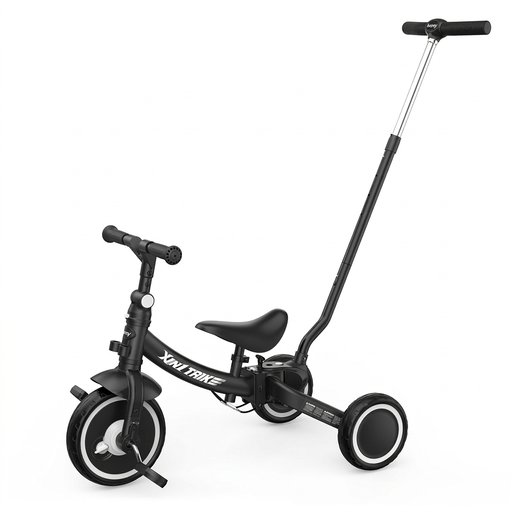
Why This Fits Their Persona: Ideal for parents of very young toddlers (ages 1-3) who want maximum stability and the ability to guide their child. The kids bike with parent handle provides peace of mind and control during those first wobbly outings.
This model directly avoids mismatching the bike to the child's stage. It starts as a parent-guided toddler tricycle and can convert to a balance bike, adapting to the child's growing confidence.
Its 2-in-1 versatility offers excellent long-term value. The parent push handle is a standout feature for safety and teaching steering.
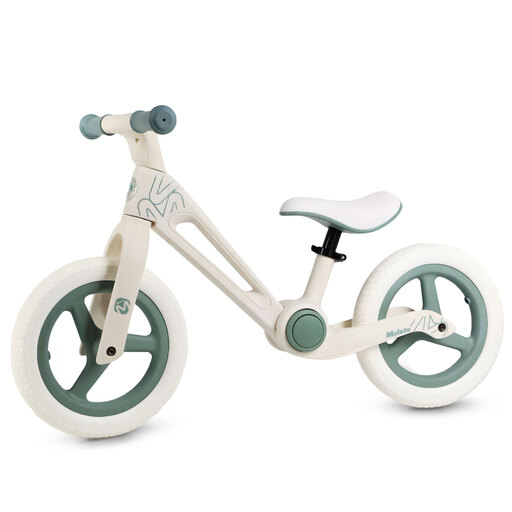
Why This Fits Their Persona: Perfect for parents who want their child (ages 2-5) to master balance before introducing pedals. This approach can make the transition to a full pedal bike much quicker and easier.
This balance bike avoids the "too big" trap with its highly adjustable seat and handlebars, ensuring a correct and safe fit for a growing child. Its sole purpose is to be a learn to ride bike by focusing only on balance.
The lightweight, no-pedal design is simple and intuitive for young children to use. It isolates the skill of balancing, which is the hardest part of learning to ride.
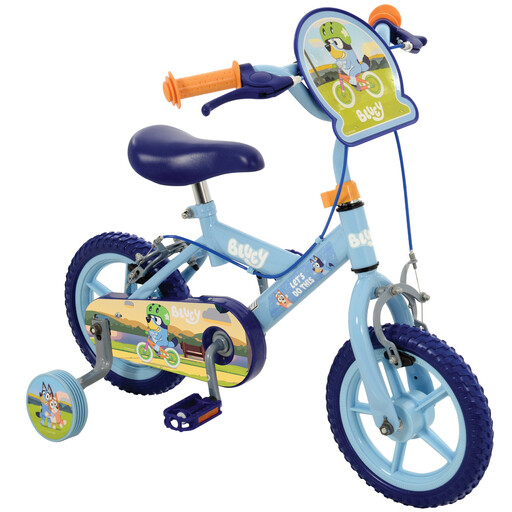
Why This Fits Their Persona: For parents of pre-schoolers (ages 3-5) who prefer the classic learning method. This is a proper first bike for kids, complete with pedals and removable stabilisers to provide support while they master pedalling.
This bike avoids the "style over substance" trap. While featuring a popular character, it is built with a durable steel frame, a fully enclosed chainguard for safety and proper caliper brakes—proving fun and function can coexist.
It's a complete package for the bike for 3-5 years age group. The removable stabilisers allow the bike to grow with the child's skill level, from a supported ride to their first two-wheeled adventure.
We have compiled a complete, real-time list of products that fully satisfy these strict selection criteria and UK safety regulations.
The best way to determine the right size is by measuring your child's inseam (the inside leg measurement). For a balance bike, the seat height should be slightly less than their inseam so they can sit with feet flat on the ground. For a pedal bike, they should be able to touch the ground with the balls of their feet. Always check the manufacturer's recommended height and inseam range for the specific model.
There is no single "better" option; it depends on the child and your preference.
Beyond choosing the right size, always check that the bike is compliant with EN71 safety standards. Once purchased, ensure it is assembled correctly according to the manual, paying close attention to the brakes and ensuring all bolts are tight. Finally, always have your child wear a properly fitted helmet.