
24/7 Customer Support

Free returns

Same-day & Next-day Delivery

Quality Guaranteed

Unlock Your Welcome Offers: FREE Delivery | Up to 80% OFF | Free 30-day JoyPlus trial
Download the APP
Watching your child pedal off on their first bike is a milestone moment. Yet, the journey to get there can be filled with confusion. The market for kids bikes is vast, and it's easy to feel overwhelmed by choice. As a parent, you want a bike that is safe, enjoyable and a good fit, but navigating the marketing claims can be a challenge. This guide is designed to help you sidestep common purchasing pitfalls and focus on what truly matters for your child's first or next set of wheels.
Before you start browsing, be aware of a few common issues that can lead to a disappointing purchase. A little knowledge here can save you both money and frustration.
To make an informed choice, focus on a few key technical specifications. Getting these right is far more important than the colour or accessories.
The single most important factor is getting the size right. While manufacturers often provide age ranges, these are only rough guides. Children grow at different rates, so the most reliable method is to measure their inside leg.
Have your child stand straight against a wall without shoes. Place a book between their legs, raised snugly to their crotch and measure from the top of the book to the floor. This measurement should be slightly more than the bike's minimum saddle height, allowing them to place their feet flat on the ground when seated. This is crucial for both a balance bike and a pedal bike with stabilisers, as it gives the child confidence and control. For a pedal bike, they should be able to touch the ground with their tiptoes once they are more confident.
For a first bike, complexity is the enemy of fun. A simple, single-speed drivetrain is all that's needed. More importantly, check the braking system. Many children's bikes come with two types of brakes:
A bike with both systems can offer a good transition as your child develops strength and coordination. Also, always look for a fully enclosed chain guard. This prevents clothing, laces or little fingers from getting caught.
The type of bike you choose will depend on your child's age and developmental stage.
toddler bike, often a balance bike, has no pedals. It's designed to teach the core skills of balance and steering from as young as 18 months. Children learn to push off with their feet and glide, which often makes the transition to a pedal bike much smoother.16 inch bike, is the next step up. Many come with removable stabilisers to provide support while the child learns to pedal.There is no single "right" answer; a balance bike prioritises balance, while stabilisers prioritise the mechanics of pedalling. Consider your child's confidence and coordination when making your choice.
Based on these practical considerations, we've matched a few options to different needs and stages of a child's cycling journey.
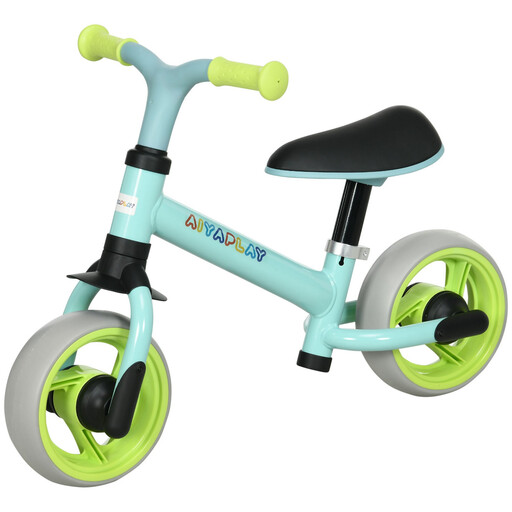
Why This Fits Their Persona: This is an ideal first introduction to two wheels for a toddler. It focuses purely on developing balance and coordination, which are the foundational skills for cycling, without the complexity of pedals.
It is purpose-built for a specific age group (18-48 months) and avoids the "one-size-fits-all" trap. Its lightweight steel frame and simple design make it easy for a small child to handle, directly addressing the weight issue.
The seat adjusts from 25.5cm to 32cm, accommodating growth within its target age range. The puncture-free EVA wheels mean no maintenance headaches for parents.
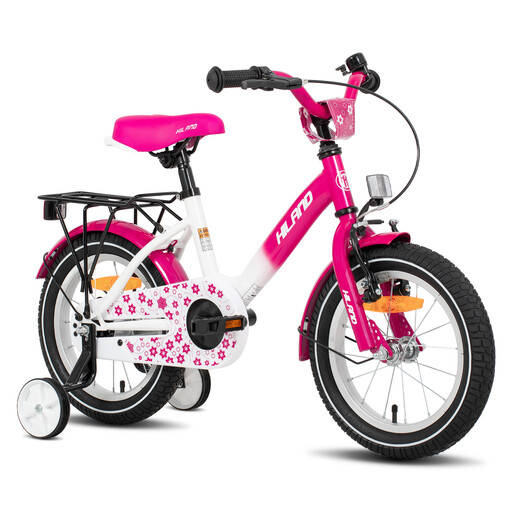
Why This Fits Their Persona: This is a great option for a child's first proper pedal bike, suitable for those graduating from a balance bike or ready to move on from stabilisers. It's a classic `16 inch bike` that suits both `girls bike` and `boys bike` needs (other colours like purple are available).
It prioritises core safety over gimmicks. The inclusion of two independent brake systems (front V-brake and rear coaster brake) and a full chain cover demonstrates a focus on function and safety.
The dual-brake system builds confidence by offering multiple ways to stop. It arrives 90% pre-assembled, which significantly reduces the time and potential frustration of setup for busy parents.
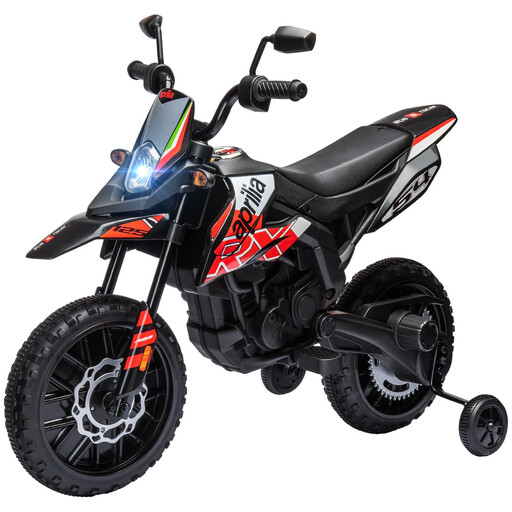
Why This Fits Their Persona: For the child who dreams of a bit more vroom, this `kids electric motorbike` offers a different kind of outdoor adventure. It's a powered `ride on bike` that provides excitement within a controlled and safe framework.
This isn't a standard bike with a motor added as an afterthought. It's a purpose-built electric vehicle with integrated safety features like removable training wheels for beginners and a manageable top speed of 6km/h.
The rear-wheel shock absorber provides a smoother, more comfortable ride. Practical features like a battery power display are combined with fun elements like working lights and a USB port for music.
We have compiled a complete, real-time list of products that fully satisfy these strict selection criteria and UK safety regulations.
The most accurate way is to measure your child's inside leg (from crotch to floor, without shoes). This measurement should be equal to or slightly greater than the bike's minimum seat height. This ensures they can comfortably and safely touch the ground, which is vital for building confidence, especially on a toddler bike or their first bike with pedals.
Neither is definitively "better"; they just teach skills in a different order. A balance bike teaches balance and steering first, which can make learning to pedal later on much quicker. A bike with stabilisers allows a child to get used to the motion of pedalling immediately but may mean it takes them longer to find their natural balance once the stabilisers are removed.
This varies, but many modern children's bikes are designed for easier assembly. For example, some models arrive 90% pre-assembled, requiring you only to attach the handlebars, pedals and saddle. With the included tools, this can often be completed in around 20 minutes, getting your child out and riding sooner. Always read the manual and perform a safety check on brakes and fittings before the first ride.