
24/7 Customer Support

Free returns

Same-day & Next-day Delivery

Quality Guaranteed

Unlock Your Welcome Offers: FREE Delivery | Up to 80% OFF | Free 30-day JoyPlus trial
Download the APP
As a parent, your child's safety is the top priority. When their activities range from a gentle ride in the park to an adventurous session at the local skatepark, finding the right protective gear can be a challenge. You want a helmet that offers robust protection without needing to buy a different one for every new hobby. This is where the versatility of a kids convertible bike helmet becomes particularly useful.
This guide is designed to help you understand the key features of these multi-functional helmets. We will walk through what to look for, from safety standards to practical design elements, and present some of our top recommendations to help you make a confident choice for your child.
Choosing the right helmet involves more than just picking a favourite colour. Here are a few practical points to consider to ensure you get a helmet that is safe, comfortable and versatile.
The main appeal of a convertible helmet is its adaptability. These models feature a detachable chin guard helmet for kids, allowing them to function as two different types of headgear.
A helmet is only effective if it fits correctly. Children grow quickly, so an adjustable helmet for kids 5-13 is a practical, long-term investment. Look for helmets with a dial-adjust system at the back. This allows you to fine-tune the fit for a snug and secure feel. The chin strap should also be easily adjustable and fasten securely without pinching. A well-fitting helmet sits level on the head and does not shift forwards, backwards or side-to-side during activity.
Modern helmets often include features that go beyond basic impact protection. A kids helmet with light—usually an integrated LED on the back—greatly improves visibility to others, especially during evening rides or on overcast days. Also, consider ventilation. A good youth multi-sport helmet will have multiple air vents to keep your child's head cool and comfortable during vigorous activity, reducing complaints and encouraging them to keep it on.
Here are a few helmet options that balance safety, versatility and practical features for young riders.
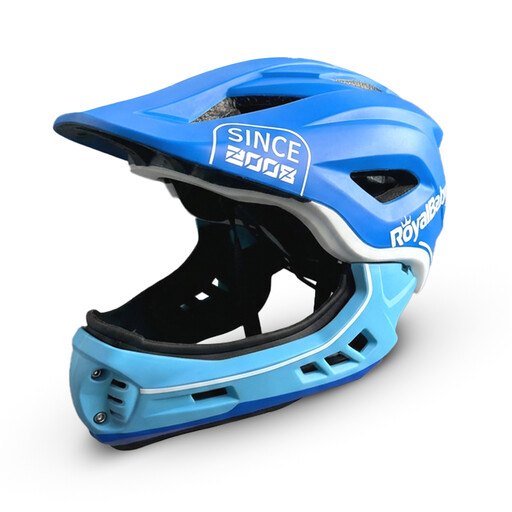
Why It Stands Out: This helmet’s core feature is its 2-in-1 convertible design. The detachable chin bar allows it to transition seamlessly from a standard half-shell for casual rides to a protective full-face helmet for more adventurous sports, making it an exceptionally versatile choice.
Pros:
Who is it for? Parents looking for a single, adaptable helmet for a child who enjoys a wide range of activities, from scootering to trying out the local youth bmx helmet track.
View Details for the RoyalBaby Convertible Helmet
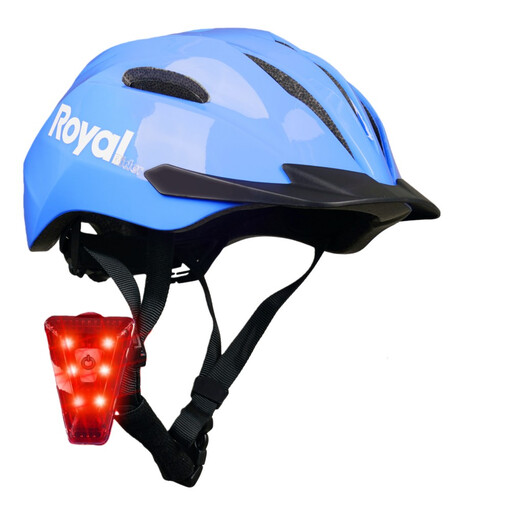
Why It Stands Out: The primary feature of this helmet is its focus on visibility. The integrated 3-mode LED taillight with six red lights makes a child significantly more noticeable to drivers and other riders, providing an extra layer of safety during evening or early morning activities.
Pros:
Who is it for? Families who often cycle or scooter in urban environments or during lower light conditions where being seen is a top priority.
View Details for the RoyalBaby Lightweight Helmet
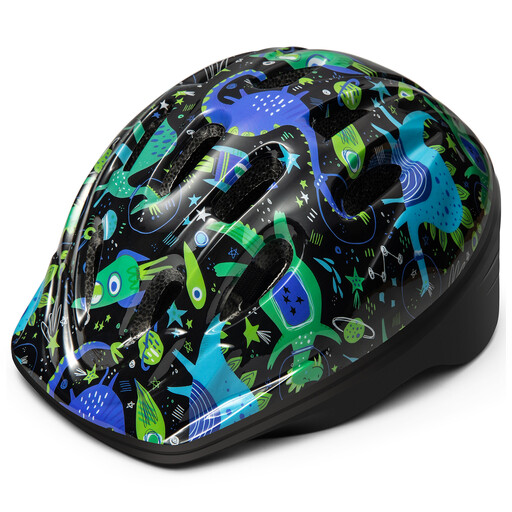
Why It Stands Out: This helmet is built for durability. Its construction features a reinforced Acrylonitrile Butadiene Styrene (ABS) shell and a thick shock-absorbing EPS core. It also comes with two removable liners of different thicknesses, allowing for a more customised and comfortable fit as your child grows.
Pros:
Who is it for? Parents seeking a durable, no-fuss youth multi-sport helmet that provides reliable protection for everyday activities like skateboarding and cycling.
View Details for the OutdoorMaster Ibex Helmet
If these specific models aren't quite what you're looking for, or if you'd like to see different colours and styles, there are many other choices available. We invite you to explore our full range of child helmets to find the perfect match for your child's needs.
A well-fitting helmet should be snug but not uncomfortably tight. It should sit level on your child's head (not tilted back or forward) and cover the top of the forehead. The side straps should form a 'V' shape just below the earlobes, and you should only be able to fit one or two fingers between the chin and the fastened strap.
You must replace a helmet after any significant impact, even if there is no visible damage. The internal foam structure can be compromised, reducing its ability to absorb shock in a future accident. Additionally, most manufacturers recommend replacing a helmet every 3-5 years due to the natural degradation of materials.