
24/7 Customer Support

Free returns

Same-day & Next-day Delivery

Quality Guaranteed

Unlock Your Welcome Offers: FREE Delivery | Up to 80% OFF | Free 30-day JoyPlus trial
Download the APP
Choosing a significant new toy for a child can feel like a big decision. You want something that will capture their imagination for more than a few days, offer real play value and fit neatly into your home. A kids corner kitchen is often a popular choice, providing a dedicated space for creative role-play without taking over the entire room.
This guide is designed to help you navigate the options. We will look at key features to consider when selecting a children's kitchen playset and highlight a few recommendations that offer engaging, long-lasting fun for little ones.
Before diving into specific models, here are a few practical points to consider that can help you find a kitchen that suits your space and your child's play style.
The layout of a play kitchen is a primary consideration. A kids corner kitchen is specifically designed with an L-shape to fit snugly into the corner of a playroom or bedroom. This is an efficient use of space, creating an immersive play zone while leaving the centre of the room free. Before you buy, it is always a good idea to measure the intended area to ensure a perfect fit.
Modern toy kitchens have evolved far beyond simple cupboards and pretend taps. To keep a child engaged, look for interactive elements. A toy kitchen with lights and sounds, such as hobs that glow and make sizzling noises, adds a layer of realism. For an even more captivating experience, a role play kitchen with running water is a standout feature. These systems typically use a small pump to circulate water from the sink to the tap, allowing children to genuinely wash their play food and dishes.
Play kitchens are generally made from wood (often MDF) or plastic. Wooden kitchens are known for their sturdiness and often have a more traditional aesthetic that can blend well with home decor. A grey toy kitchen, for example, is a popular contemporary choice. Plastic kitchens are typically lighter and may offer more moulded features. Also, check if you are getting a kitchen playset with accessories. Sets that include pots, pans, utensils and play food provide everything needed to start playing straight away.
Here are our recommendations, selected to help you create a well-rounded and engaging play environment for children aged 3-6.
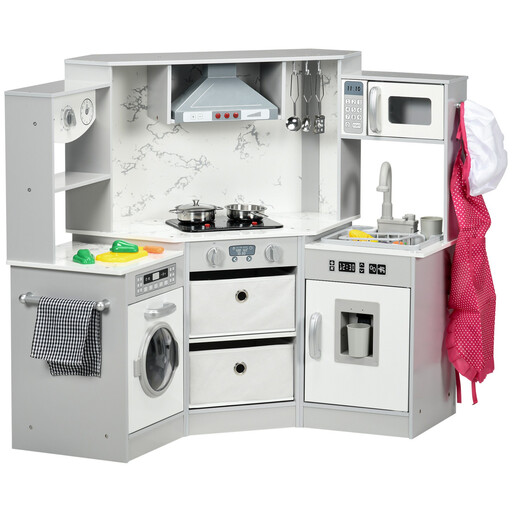
Why It Stands Out: This large play kitchen is designed to be the ultimate hub for any budding chef. Its corner configuration is a smart space-saver, while its feature list is packed with the interactive elements children love. The working sink uses a water circulation system for realistic dish-washing fun, and the stove and range hood light up and make sounds.
The stylish grey and white finish helps it complement modern interiors, and it comes as a complete set. The inclusion of an apron, chef's hat, stainless steel pots and other accessories means the fun can begin as soon as it's assembled.
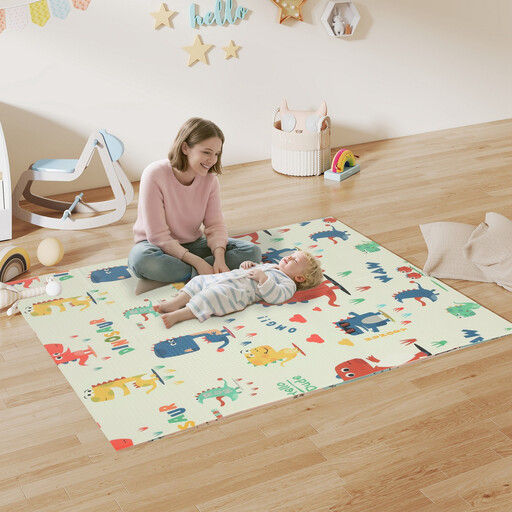
Why It Stands Out: A great play kitchen deserves a great play area. This foldable foam mat provides a safe and comfortable foundation. With 1.5cm of thick XPE foam padding, it cushions trips and tumbles, making it ideal for young children finding their feet. The surface is water-resistant, so spills and messes from playtime can be wiped away easily.
Its reversible design features two different colourful dinosaur themes, adding a visual spark to the room. When playtime is over, it folds up compactly for storage or travel.
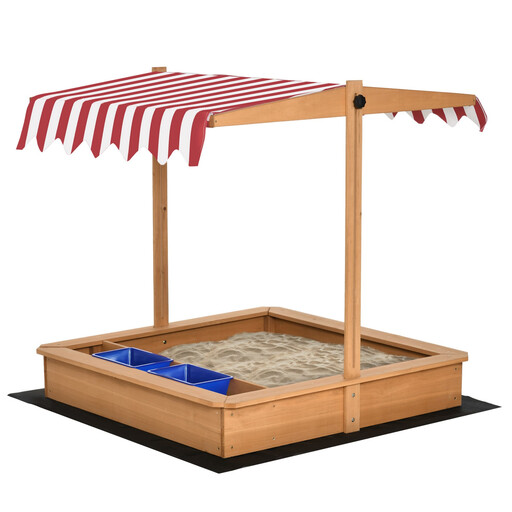
Why It Stands Out: For those with garden space, this wooden sand pit allows children to take their creative "cooking" outdoors by making mud pies and sandcastles. It is made from solid fir wood with a polished surface to minimise splinters.
A key feature is the adjustable polyester canopy, which provides essential shade on sunny days. Cleverly, this canopy can be lowered completely to act as a cover, keeping the sand clean and free from debris or neighbourhood cats when not in use.
The joy of a kitchen with a working tap shows how much children love interactive water features. If you are interested in exploring more toys that make a splash, from water tables to garden sprinklers, we have a wide selection to choose from.
Explore our full range of Childrens water play toys to find more options for indoor and outdoor fun.
1. What age is a play kitchen suitable for? Most play kitchens, including the models featured, are designed for children aged 3 to 6 years. At this age, children are developing their social and imaginative skills, making role-play activities like cooking particularly beneficial. Always check the manufacturer's recommended age for any specific product.
2. Are wooden or plastic play kitchens better? Both materials have their advantages. Wooden kitchens, often made from MDF, are typically heavier and more robust, with an aesthetic that many parents prefer. Plastic kitchens are lighter, easier to move, and can sometimes incorporate more complex moulded features, lights and sounds at a lower price point. The choice often comes down to personal preference on style, durability and budget.
3. How can I make a play kitchen more engaging for my child? To extend the life of a play kitchen, you can refresh the experience with new accessories. Adding different types of play food (wooden, felt or plastic), a toy till to play "restaurant" or even a small table and chairs nearby for "serving" meals can all spark new imaginative scenarios. Rotating these accessories can make the kitchen feel new all over again.